




 Wechat ID: Annielv88

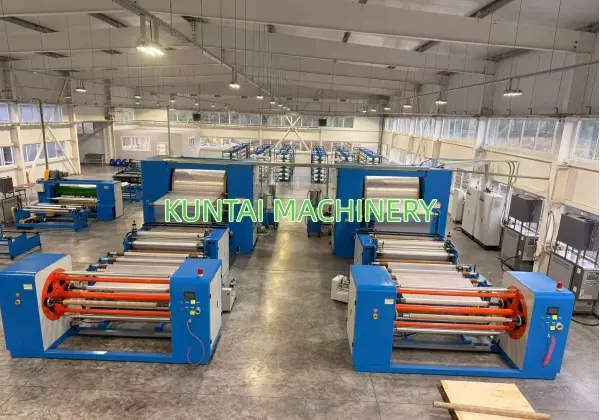

Revolutionary Fiber Laminating Machine Enhances Production Efficiency
Fiber Lamination Machine Function: To bond/laminate two or more layers of fiber fabric, fiber felt, film, aluminum foil, and other materials together using glue/adhesive film/hot pressing to create a multi-layer composite material.
Ordinary textile fibers: polyester, nylon, non-woven fabric, needle punched cotton, felt
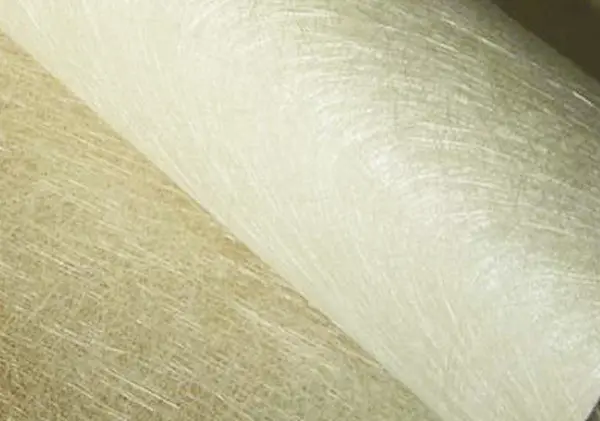
High performance fibers: glass fiber, carbon fiber, aramid, basalt fiber
Matching bonding layer: PE/PP/TPU film, aluminum foil, foam, adhesive film
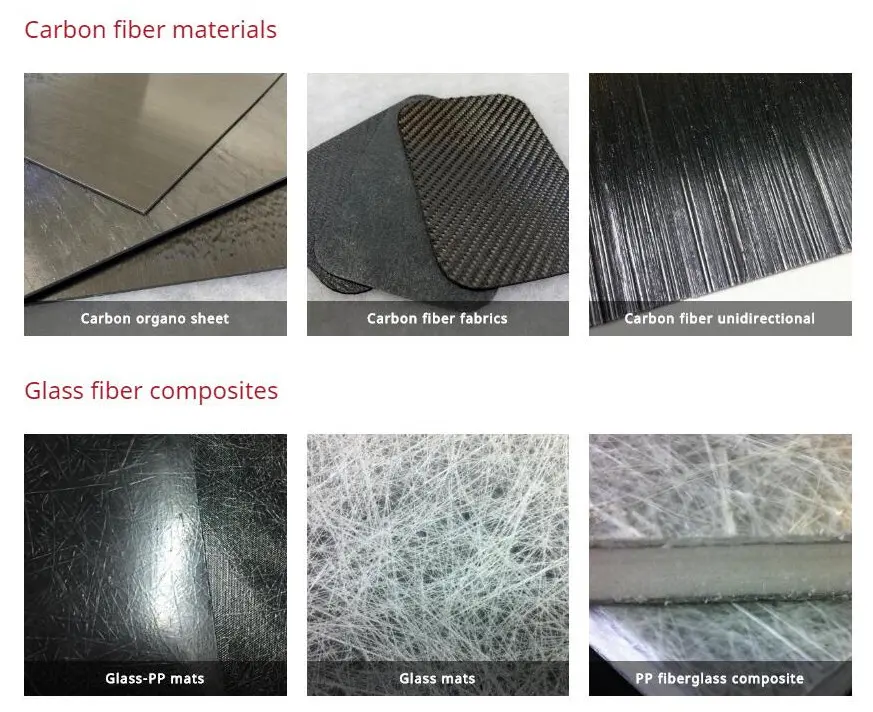
1. PUR hot melt adhesive laminating machine (most commonly used, recommended for export orders)
Advantages: solvent-free, high adhesive strength, temperature and water resistance, preferred for fiberglass/carbon cloth composites;
Disadvantages: The equipment cost is relatively high, and the rubber material needs to be moisture-proof.
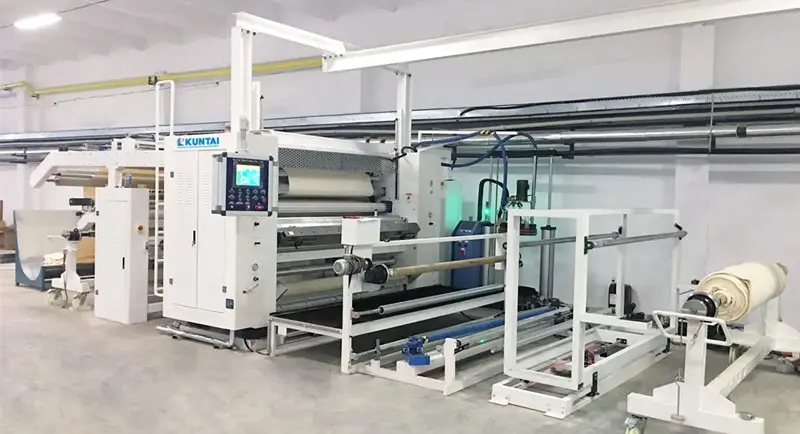
2. Water based adhesive/solvent adhesive bonding machine (economical)
Suitable for ordinary non-woven and polyester fabrics; Disadvantages: There is a solvent odor and the temperature resistance is average.
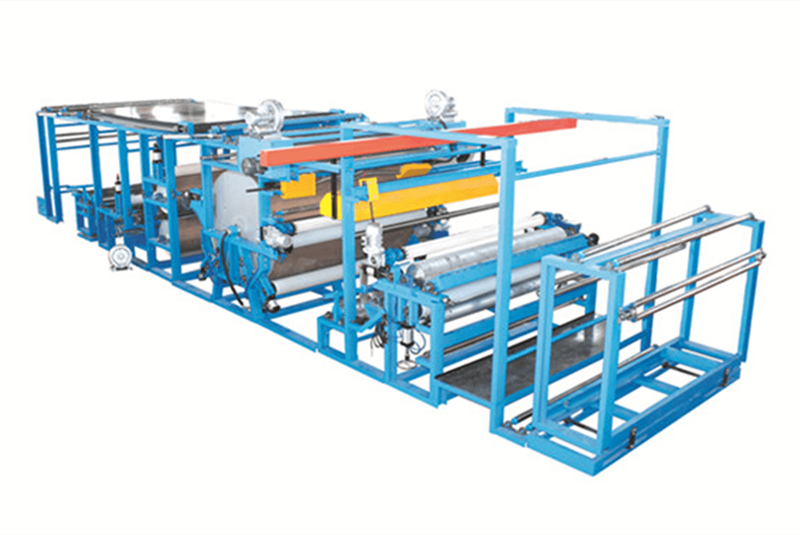
3. Adhesive film hot press Bonding Machine (no liquid adhesive, high-end composite material)
Do not use liquid glue, use a hot melt adhesive film to sandwich between two layers of fibers, apply high-temperature rolling to melt and infiltrate the fibers, and then bond after cooling;
Advantages: Uniform adhesive layer, no fiber contamination caused by adhesive infiltration, controllable weight, commonly used in automotive interiors and prepreg interlayers.
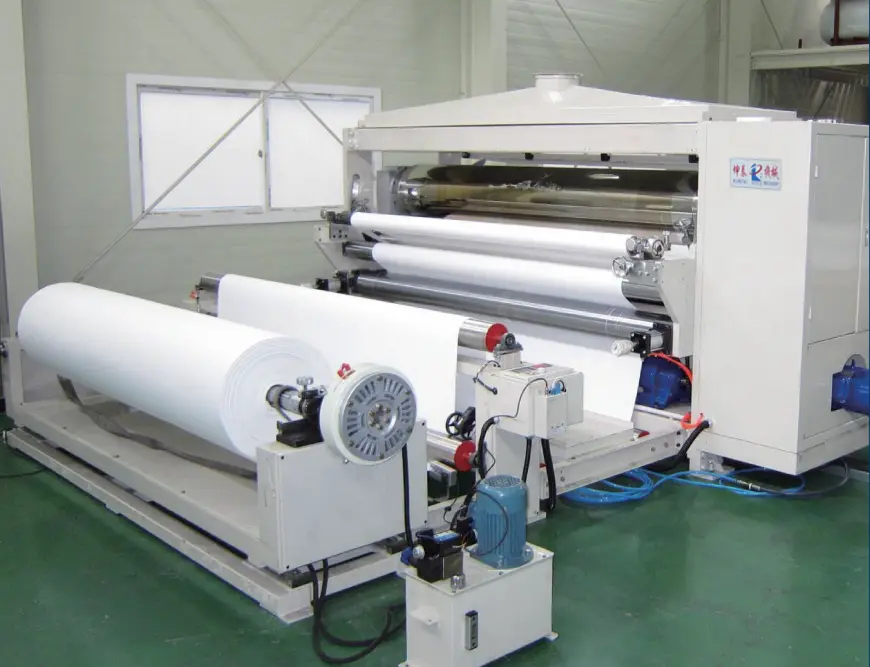
4. Double Belt Press (High Temperature High Performance Composite)
It can be continuously hot pressed at high temperatures, reaching 200-250 ℃, suitable for multi-layer bonding of thermoplastic carbon fiber and glass fiber unidirectional tapes, with the highest precision and the most expensive price.
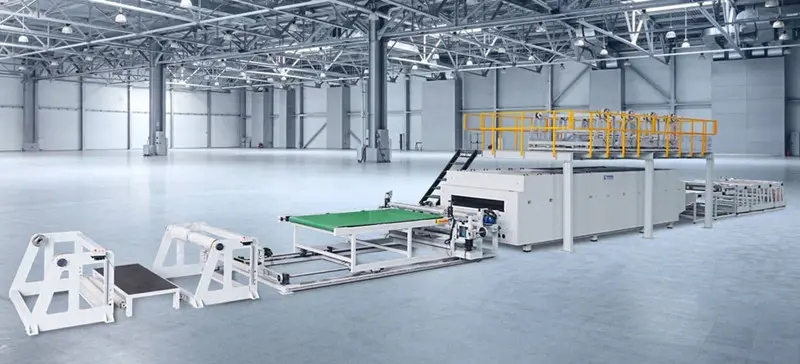
- Servo constant tension unwinding: Carbon fiber and fiberglass are easily stretched and fuzzy, and low tension control is key
- Automatic correction system: Multi layer coil alignment to prevent deviation
- Multi zone independent temperature control roller (optional oil heating roller), temperature control accuracy ± 1-3 ℃
- The pressure of the roller can be adjusted, with exhaust to eliminate interlayer bubbles and avoid later delamination
- PLC stores multiple sets of process formulas, with touch screen operation and online thickness detection capability
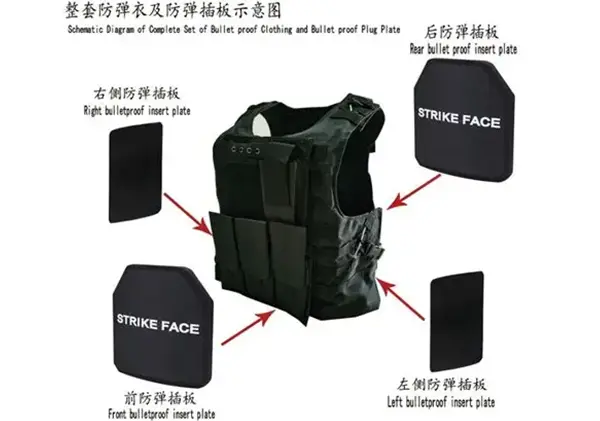
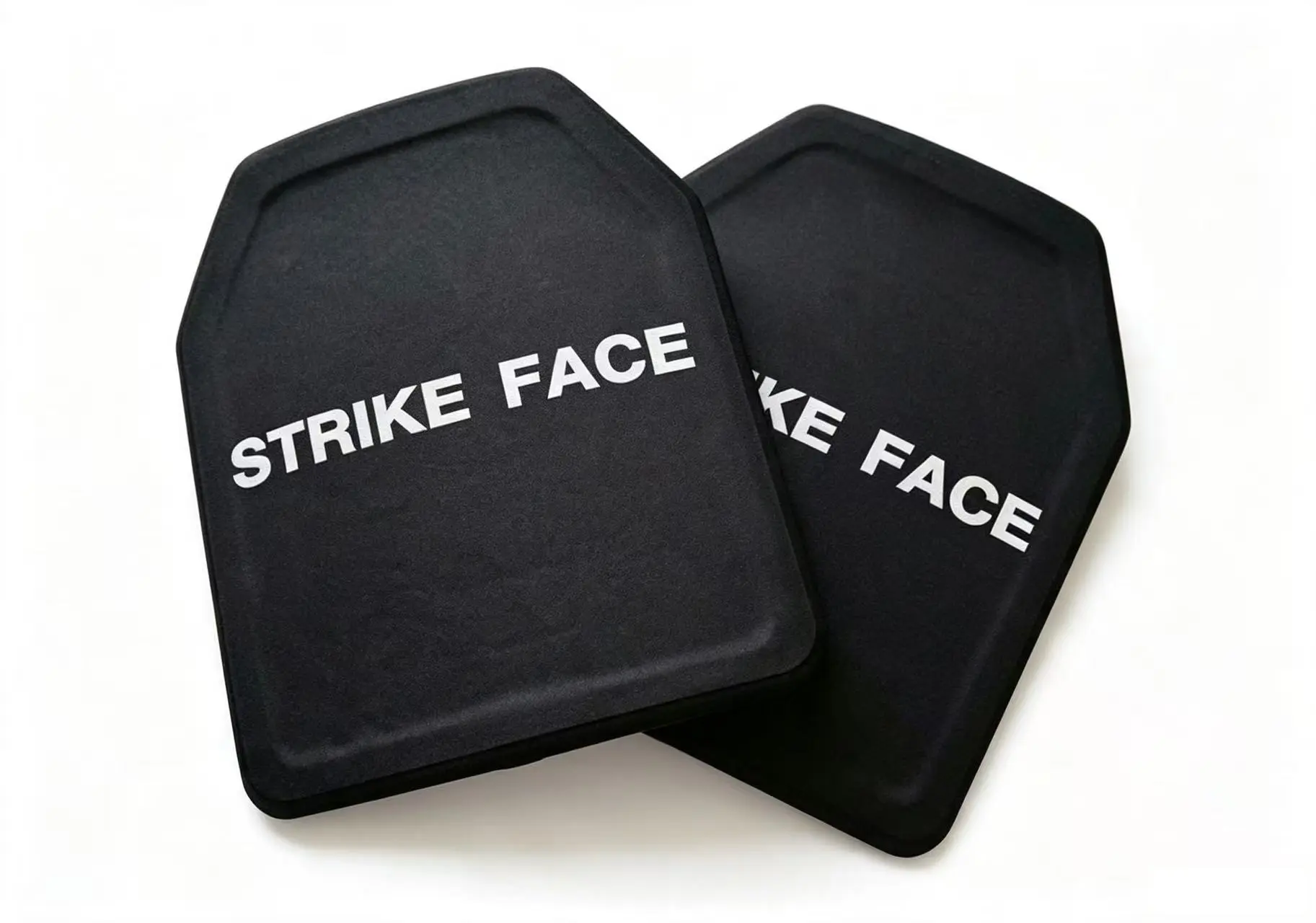
Car roof/roller shutter fabric, fiberglass aluminum foil insulation material, bulletproof aramid composite, carbon fiber prepreg interlayer, filter material, tent tarpaulin, soundproof fiber cotton composite.