




 Wechat ID: Annielv88


How to make bulletproof clothing?
Bulletproof clothing is divided into two main parts: bulletproof soft clothing (soft bulletproof layer)+bulletproof hard plug (UD bulletproof plug, optional reinforcement)
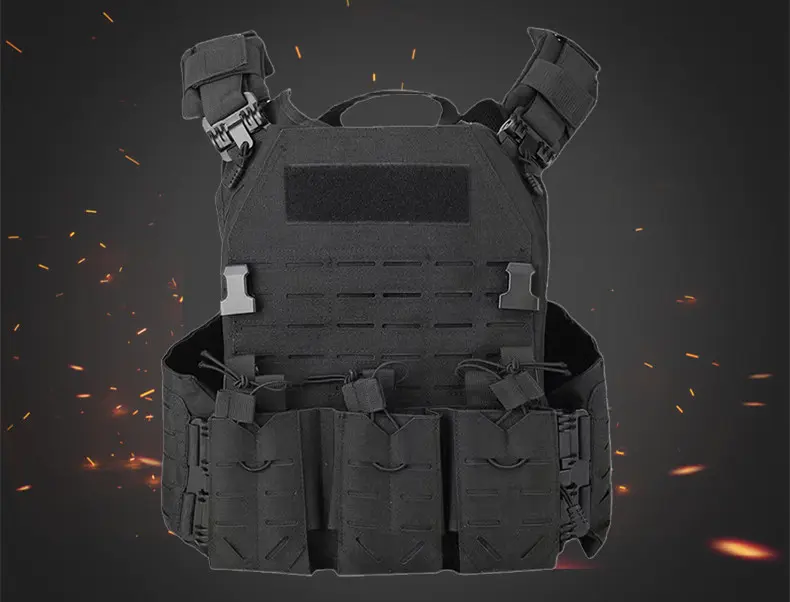
1、 Soft bulletproof vest (without steel plate, anti pistol, anti fragmentation)
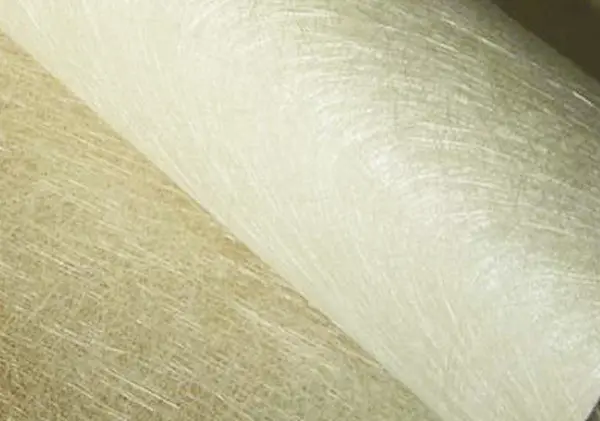
Raw materials: Ultra high molecular weight polyethylene UD fabric/aramid (Kevlar) UD fabric, not ordinary woven fabric
Industrial Process
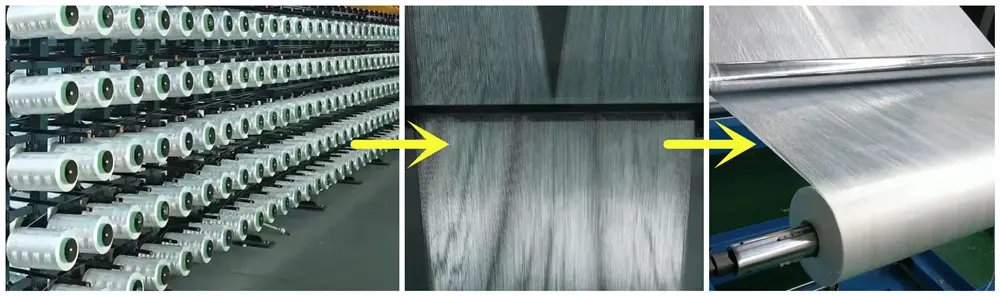
Parallel arrangement of fibers, coated with resin glue, and made into unidirectional UD fabric; One layer is 0 °, and the other layer is rotated 90 ° to form an orthogonal UD sheet.
Bullet protection extensively uses 0 °/90 ° orthogonal layers to absorb the impact energy of bullets.
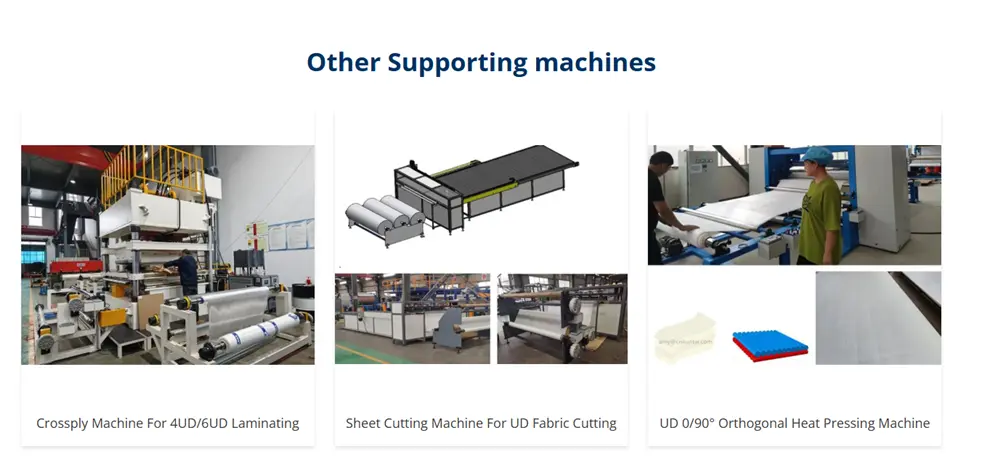
Stack many layers of orthogonal UD sheets according to the designed number of layers.
Anti pistol: more than ten to twenty layers of aramid/PE-UD orthogonal fabric; The number of layers is determined based on the level of protection.
Principle: When a bullet hits, it relies on multiple layers of high-strength fibers to stretch, tear, and disperse the impact energy, trapping the bullet.
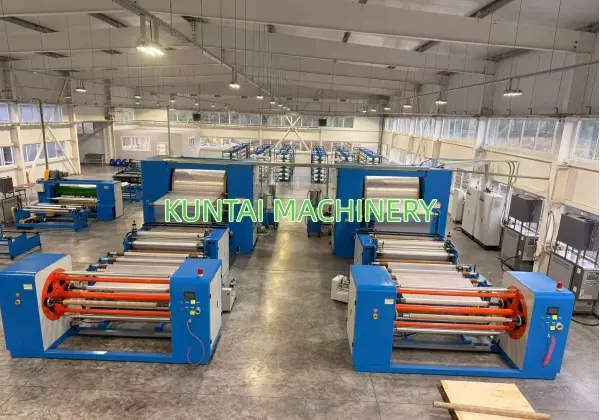
Multiple layers of UD fabric are fed into a hot press machine for low-temperature and low-pressure hot pressing. The layers are bonded together to form a whole soft bulletproof core.
The pressure and temperature should not be too high. If the temperature is too high, it will melt the PE fibers and directly destroy the bulletproof performance.
Cut the bulletproof core into garment pieces, cover it with a wear-resistant and waterproof outer cover, and sew it into a vest style.
The outer cover can be disassembled, and the bulletproof core is placed in the pocket.
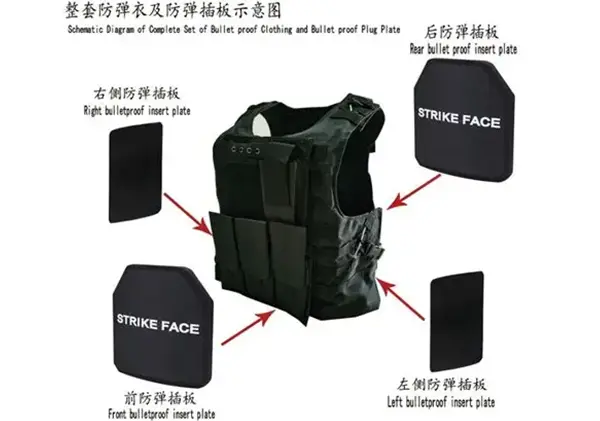
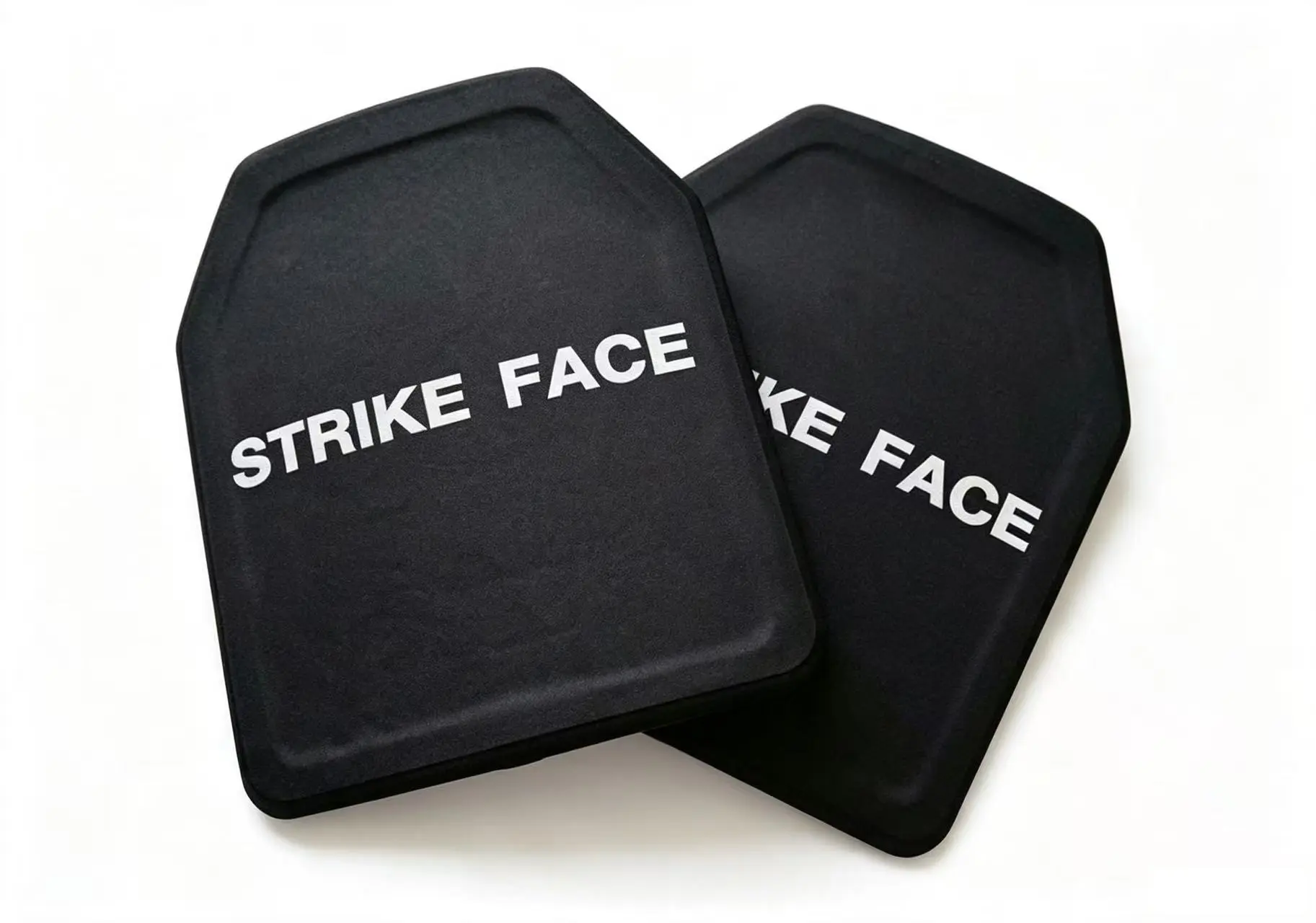
2、 Hard bulletproof plug (inserted into soft jacket pocket, resistant to rifle bullets)
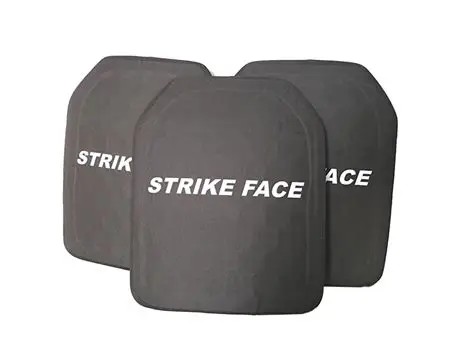
Soft clothing cannot block infantry bullets and requires the addition of a hard insert board. There are two mainstream solutions:
Front: Aluminum oxide/silicon carbide ceramic sheet, capable of shattering bullets;
Back: Multi layer ultra-high molecular weight polyethylene UD orthogonal cloth hot pressed backboard, absorbing residual kinetic energy of fragments.
Key process points (factory end)
3、 Summary of simple structure of bulletproof vest
4、 Distinguish the similarities and differences between orthogonal UD and automotive UD
✅ Same: Both are UD unidirectional tape with 0 °/90 ° orthogonal layer hot pressing
❌ Different:
Automotive interior UD: ordinary fiberglass, carbon fiber, PP/PA matrix, only pursues rigidity, not impact and bulletproof.