




 Wechat ID: Annielv88




How to Manufacture Ballistic Plates?
- 1 Layering and Stacking
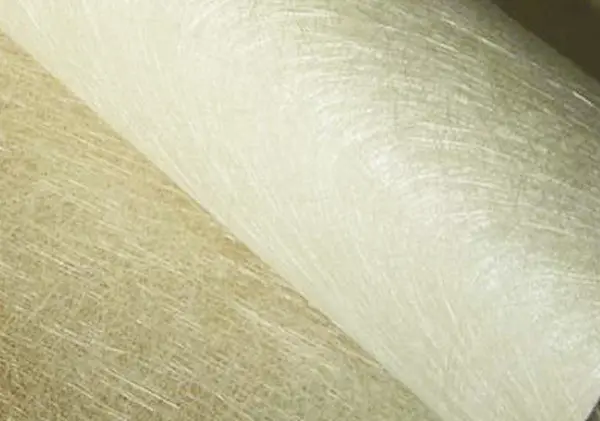
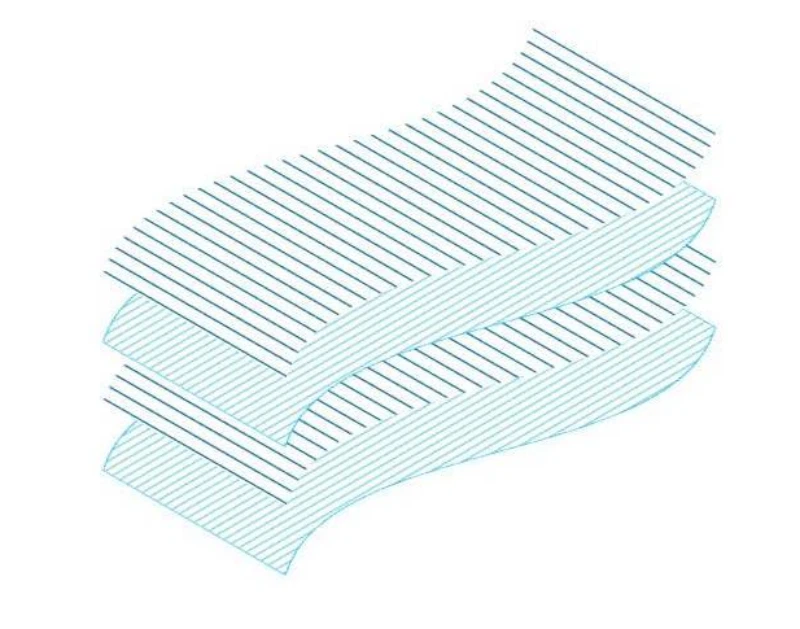
Stack UD fabric in alternating 0°/90° orthogonal layers (typically 36–48 layers depending on thickness grade), align precisely during cutting to prevent misalignment.
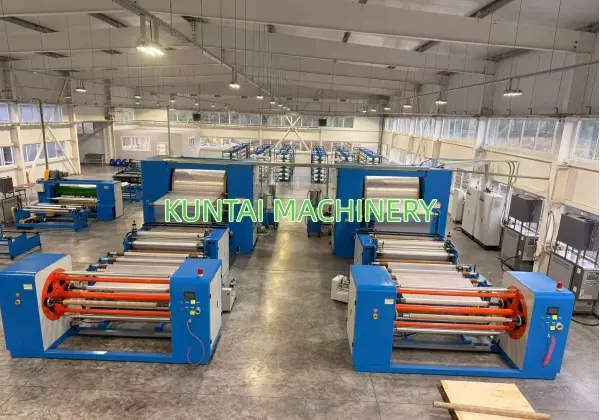
- 2 Hot Press Molding and Lamination (Core Process, Requires Hot Press or Flatbed Laminator)
- Temperature: 120–125°C
- Pressure: 25–50 MPa (high pressure with holding time)
- Time: 30–60 minutes, allowing multiple layers of UD fabric to melt and bond into a solid rigid blank plate.
- 3 Cooling and Setting
Slowly cool under pressure to prevent warping or delamination.
- 4 Trimming and Cutting
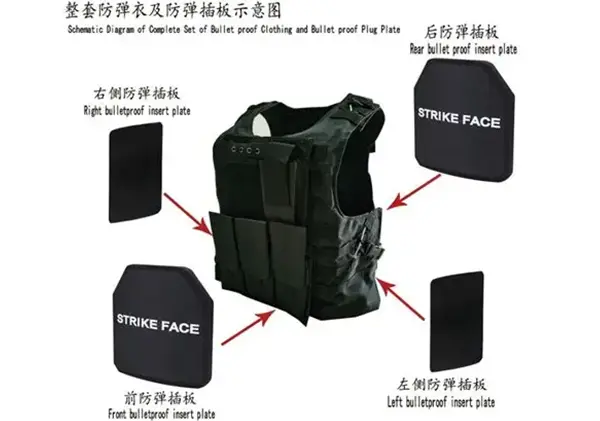
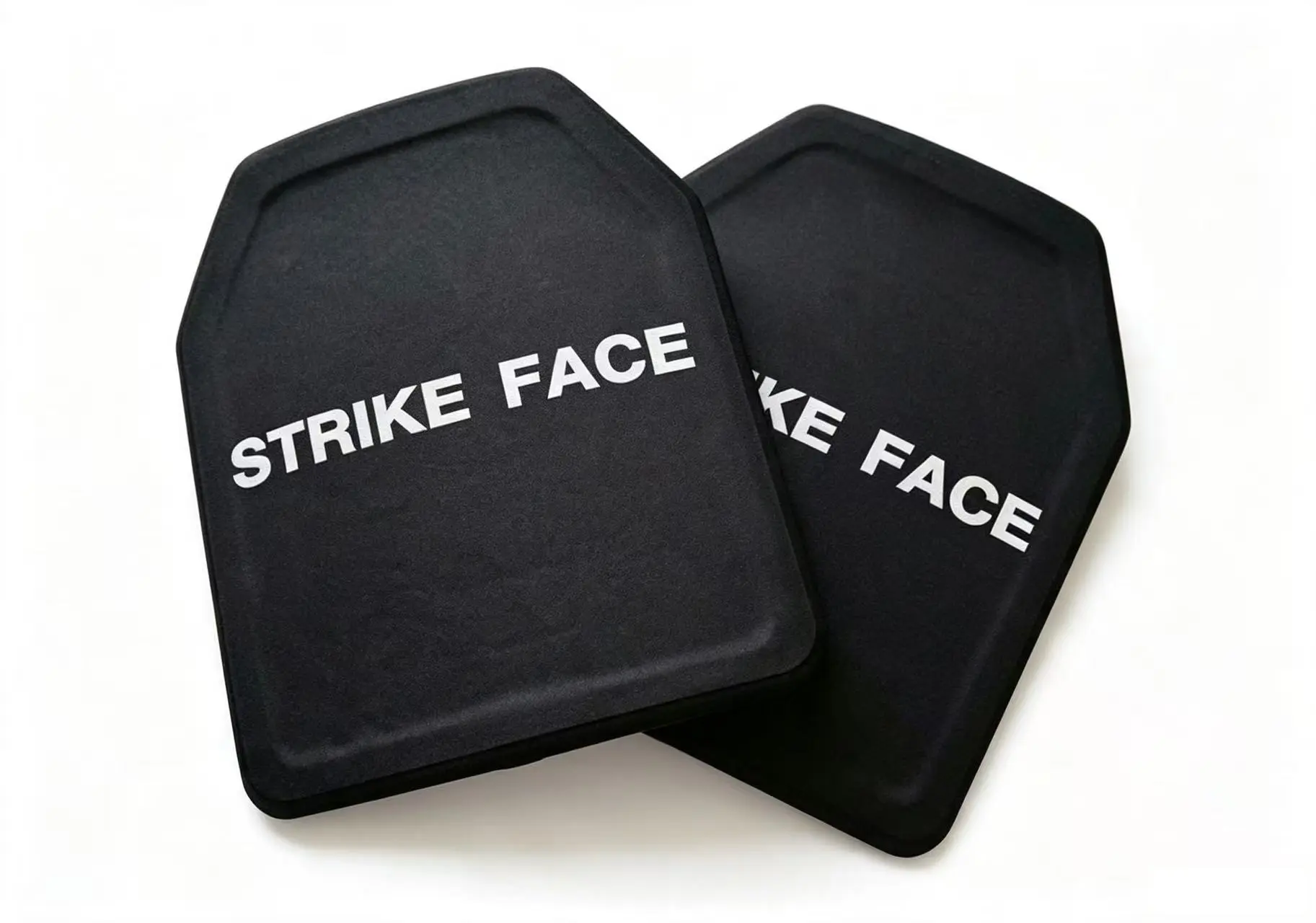
Use CNC milling to shape into human-contour profiles such as SAPI, shooter, or swimmer types.
- 5 Waterproof Encapsulation
Wrap with waterproof PE film or apply polyurea coating to prevent moisture ingress, which could degrade performance.
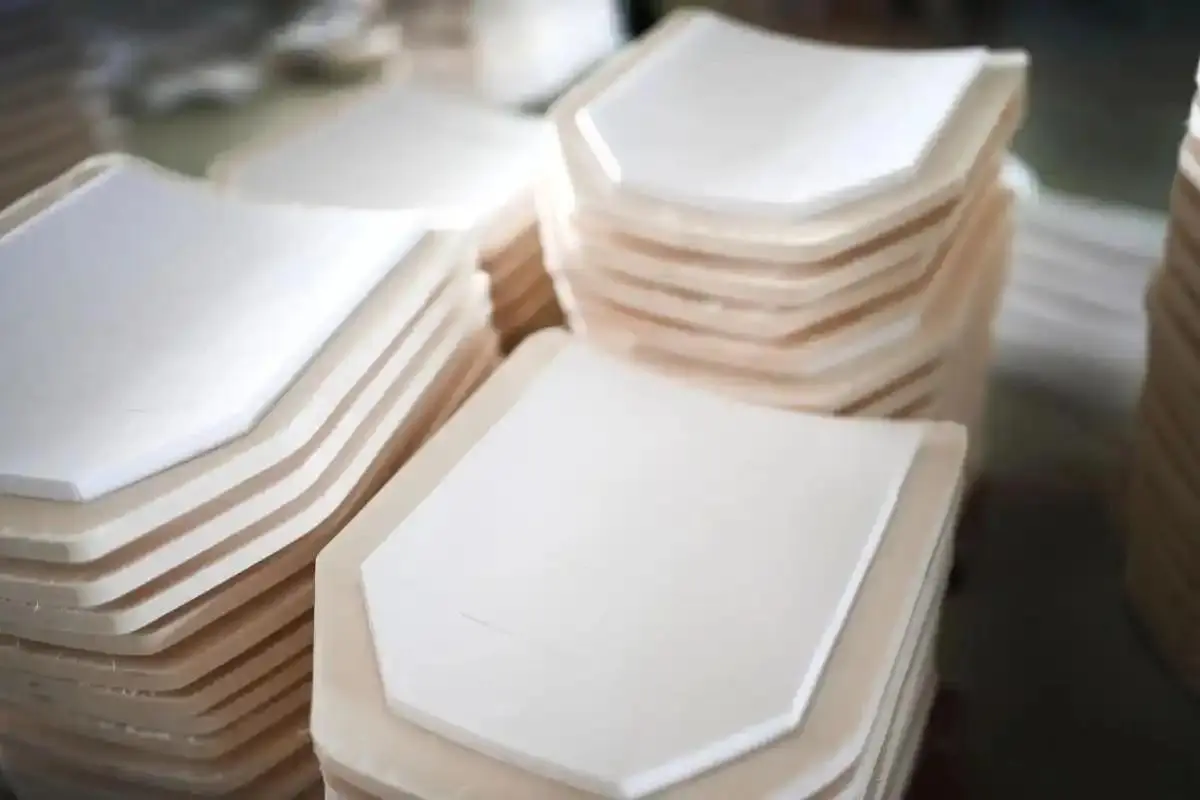
- 1 Ceramic Tile Preparation (Aluminum Oxide/Silicon Carbide Powder)
Mix ceramic powder → slip casting → sinter at over 1600°C into square ceramic tiles.
- 2 Ceramic Panel Assembly
Join ceramic tiles into a front panel, filling gaps with flexible adhesive for cushioning.
- 3 Bonding and Lamination
Place ceramic side down, attach pre-pressed multi-layer PE/UD backing panel to the back, then vacuum-bag laminate using polyurethane adhesive.
- 4 Full Encapsulation
Wrap outer layer with aramid fabric as anti-spall layer, followed by waterproof coating to prevent ceramic shrapnel from flying upon impact.
