




 Wechat ID: Annielv88


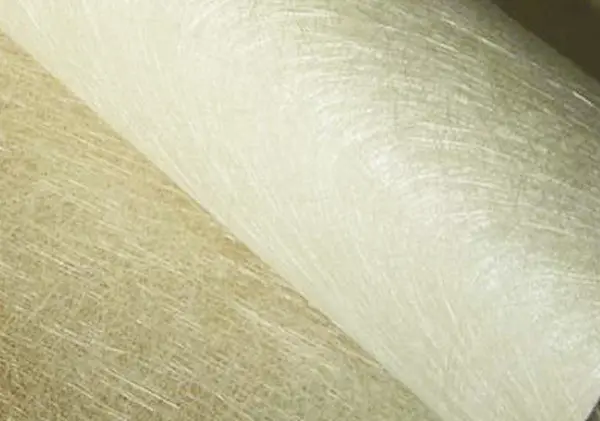


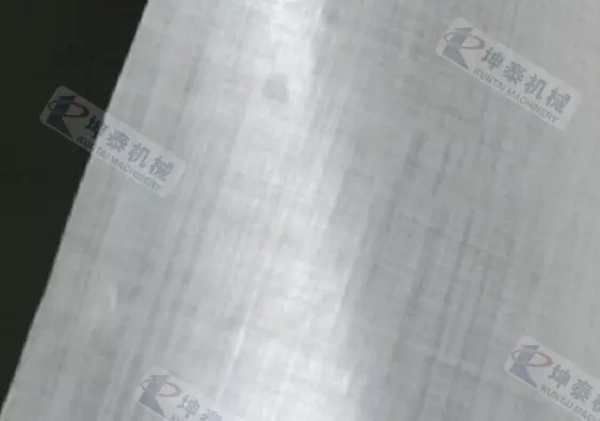
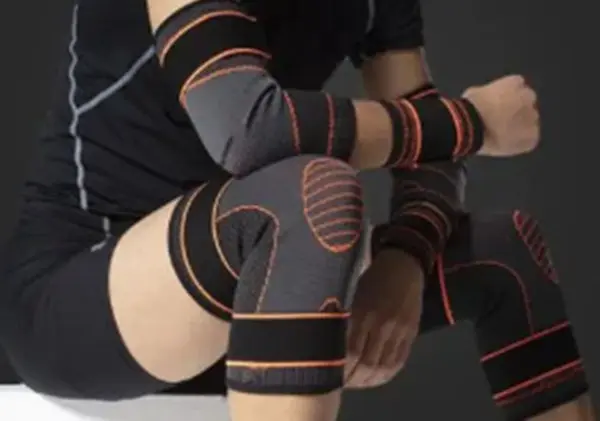
Complete Production Solution for Lightweight UD Fabric
Fine-denier low-linear-density fibers + ultra-wide uniform filament spreading + extremely precise adhesive control + ultra-thin carrier film + low-tension orthogonal lamination, enabling conventional market products of 120–160 g/m² to achieve ultra-light 2UD non-woven fabric at 50–80 g/m².
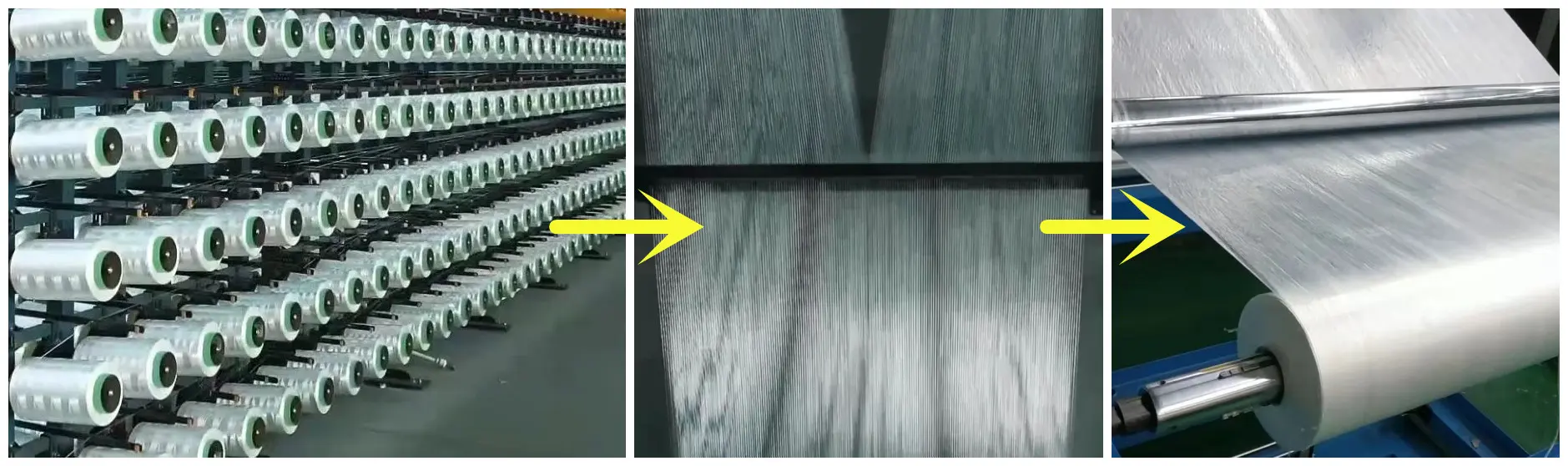
Fiber Selection
UHMWPE: Uses 800D, 400D, and 200D fine-denier Dyneema fibers with finer monofilaments; rejects 1000D coarse yarns, ensuring more even fiber distribution without clumping at the same surface density.
Aramid: 100D–200D fine-denier aramid filament, CV value <3%, low fiber bundle dispersion to prevent localized overloading
Adhesive (maximum reduction point)
Switch to low-solids water-based polyurethane/EEA/SBS thermoplastic adhesives with a solids content controlled between 5% and 16%; conventional UD adhesive contains 17–25%, while the lightweight version achieves a resin content of 6–10%.
Prioritize micro-spray adhesive, spot bonding, and ultra-thin hot-melt adhesive film (1 mil or less); avoid thick application with a doctor blade. Use only for interface bonding without adhesive buildup or added weight.
Support Isolation Membrane
Replace conventional 3–4 mil PE film with 1.5–2 µm ultra-thin HDPE microfilm; the premium solution uses nanofibers instead of solid film, reducing weight directly by 5–12 g/m²
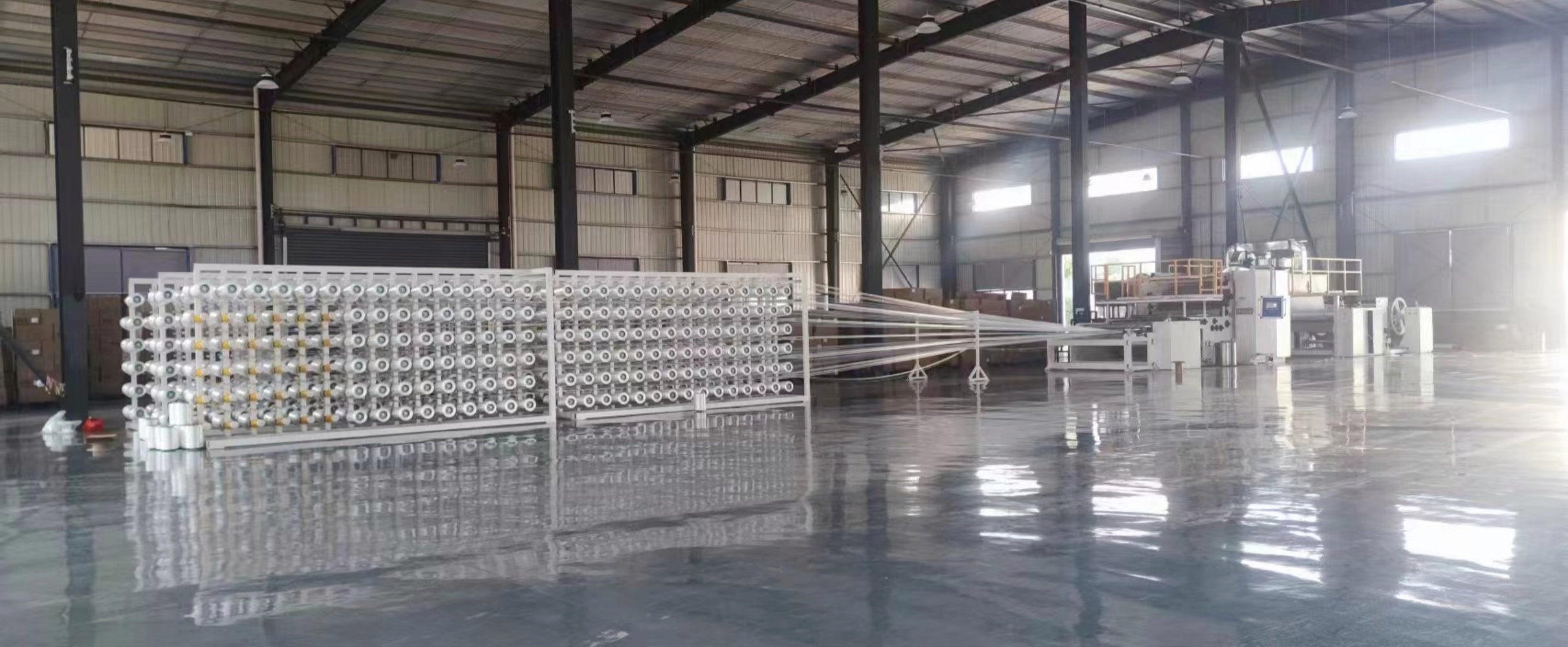
Ordinary equipment tends to cause fiber stacking and ridging, making it unsuitable for producing thin fabrics.
- Equipped with multi-stage curved fiber spreading rollers and pneumatic fiber separating combs, ensuring complete flat laying of individual fibers without overlapping double layers, achieving a single-layer fiber thickness of only 40–50 µm
- Full-line closed-loop tension control ensures fiber tension fluctuation within ±2N. Excessive tension leads to denser fibers and weight exceeding specifications; insufficient tension results in loose fabric surface, streaks, and missing threads.
Kuntai's latest fibre spreading system enables ultra-thin unidirectional layers up to 30g/㎡ in single layer.
Three lightweight adhesive application methods:
Micro-spraying: Atomized water-based adhesive applied precisely and evenly, with controllable adhesive dosage of ±1g/㎡
Ultra-thin hot melt adhesive film lamination: 1–2g hot melt film laminated by hot pressing, solvent-free with extremely low adhesive usage
Concave roller micro-coating: shallow anilox roll design prevents excessive coating and adhesive buildup
Prohibited: immersion coating and full-roll coating (which cause immediate surge in adhesive content)
- Low-temperature hot air drying (60–85°C) quickly evaporates moisture without causing resin to run or accumulate
- Hot pressing: Low-temperature mirror pressing with reduced pressure and precise temperature control within ±2°C; excessive pressure causes adhesive to squeeze out and accumulate, resulting in localized thickening and weight deviation; insufficient pressure leads to inadequate interlayer bonding.
- Rapid cooling and setting lock the fiber arrangement, preventing shrinkage and weight increase
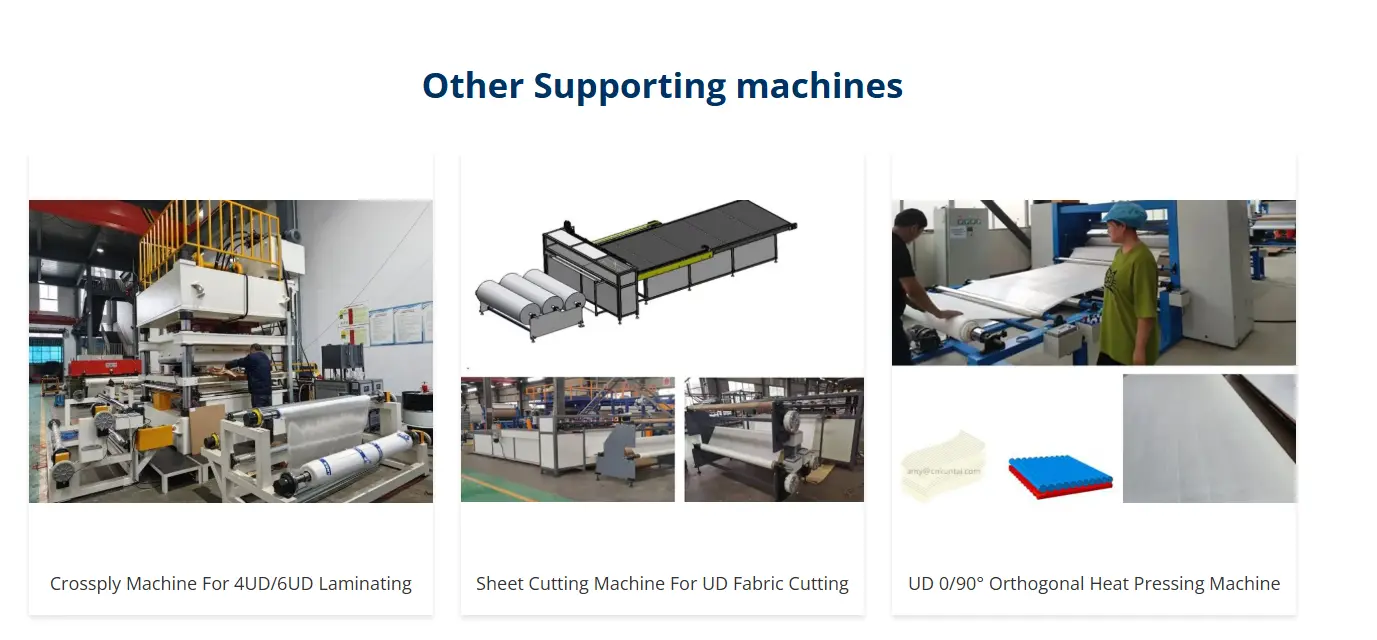
First produce 30–40 g/m² unidirectional single-layer UD, then laminate orthogonally to form a finished 60–80 g/m² two-directional UD product.
- Two-layer composite without additional adhesive layer, bonded using a single layer with trace resin for thermal adhesion, eliminating the weight of intermediate adhesive film
- Low-speed and low-tension winding throughout the process to prevent stretching and compaction, which could lead to artificially inflated surface density.
| Product Specification | Structure | Surface Density | Key Manufacturing Points |
|---|---|---|---|
| Ultra-lightweight model | 2UD PE | 50 g/m² | Single layer 22–25 g, 7% adhesive content, 1.5-micron ultra-thin film |
| Lightweight standard model | 2UD PE | 80 g/m² | Single layer 38–40 g, 8% adhesive content, 2-micron PE film |
| Standard lightweight model | 2UD PE | 100–120 g/m² | Single layer 48–55 g, 9–10% adhesive content |
Insufficient cleaning of the unwinding comb, or filament bundling; regular filament separation is required, and tension of each original filament spool should be checked periodically.
Insufficient adhesive; slightly increase solid content or use nano-fiber assisted bonding, with minimal weight increase.
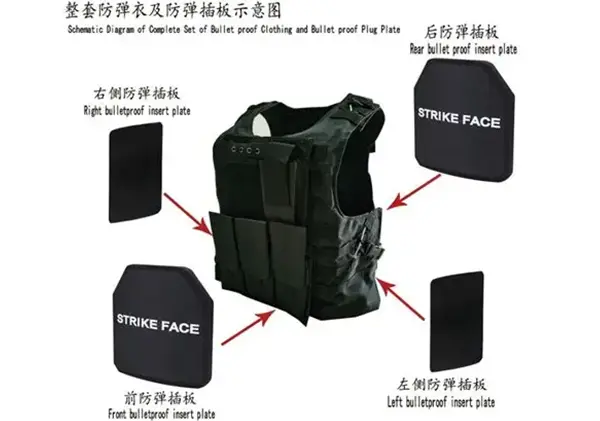
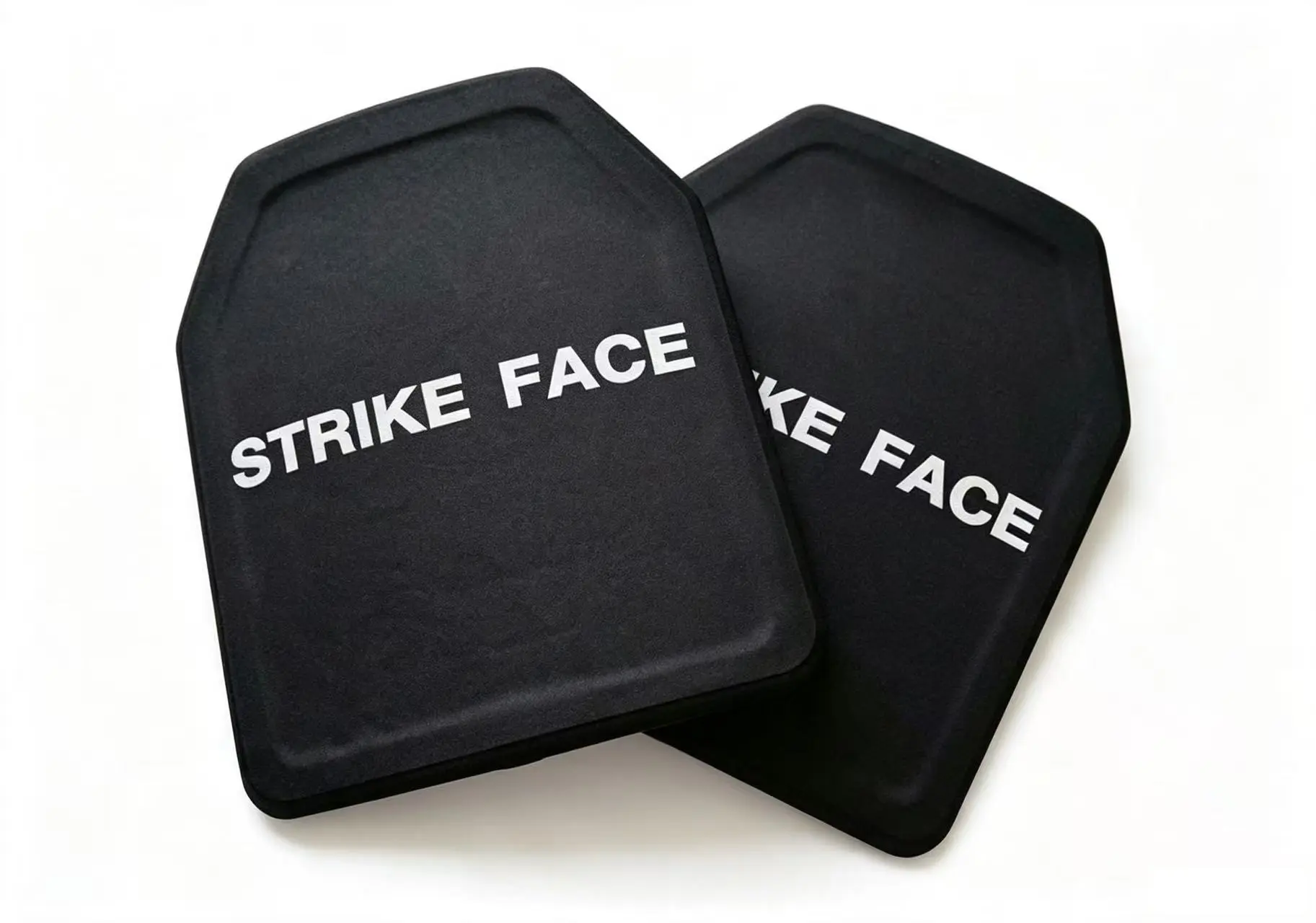
Simply reducing weight can lower ballistic/cut resistance; compensate for performance using high-modulus fine-denier fibers instead of merely reducing fiber count.
Excessive hot-pressing pressure compacts the fibers, while insufficient cooling causes shrinkage; optimization of pressure and cooling process is required.