




 Wechat ID: Annielv88

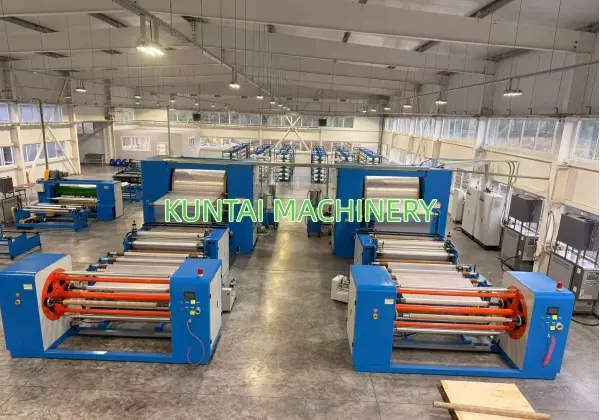
Revolutionizing Textiles: How Laminating Machines Transform Production
Advanced textiles (industrial textiles, high-performance functional textiles) are different from ordinary home textiles and clothing. The core is to composite/laminate high-performance fabrics, films, non-woven fabrics, and reinforced substrates in multiple layers, endowing the materials with composite functions such as waterproofing, breathability, insulation, bulletproof, filtering, flame retardancy, and sound absorption. The laminating machine(hot melt laminating, hot press laminating , adhesive dot transfer laminating, Double Belt Press laminating, etc.) is the core equipment:
High performance protective textiles
Outdoor high-end functional fabrics: Polyester fabric combined with PTFE/TPU waterproof and breathable film, for high-end assault suits, polar cold resistant suits, and rescue work clothes, achieving both waterproof and breathable properties.
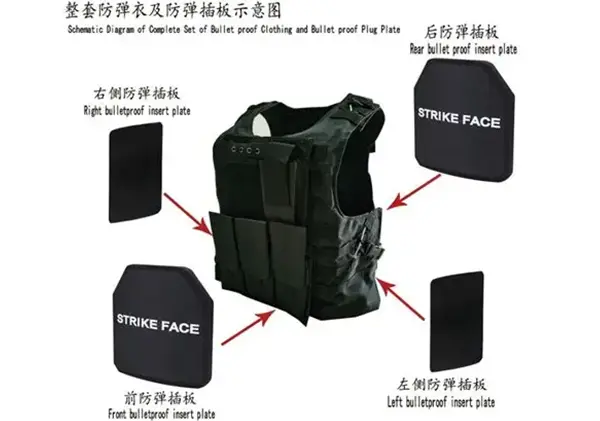
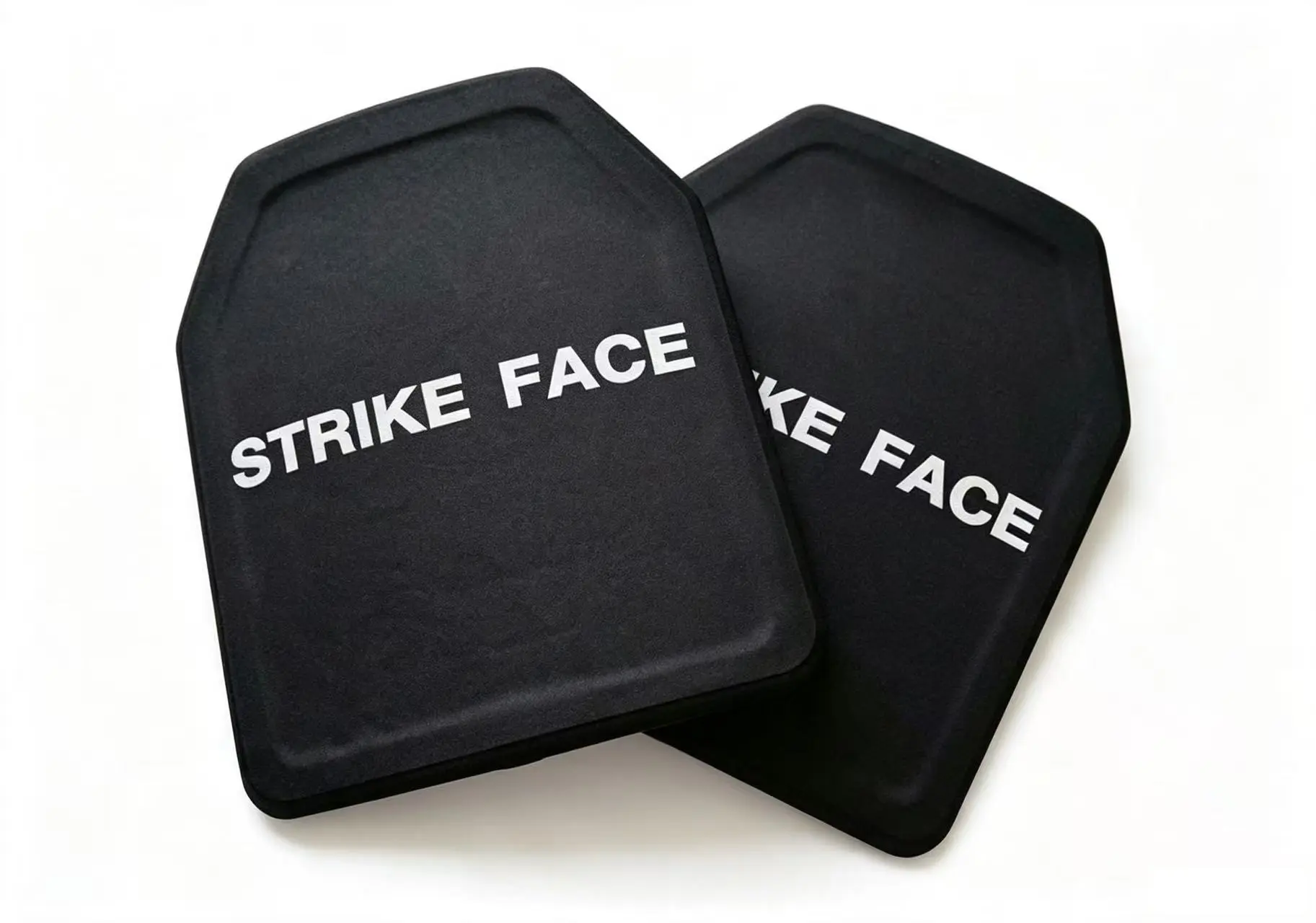
- Personal protective fabrics: flame retardant fabrics, anti-static fabrics, composite waterproof films, firefighting suits, chemical protective suits; High strength UD fabric multi-layer composite, bulletproof and stab resistant fabric.
Common processes: Hot melt membrane laminating, solvent-free adhesive laminating, do not block micropores, ensure breathability.
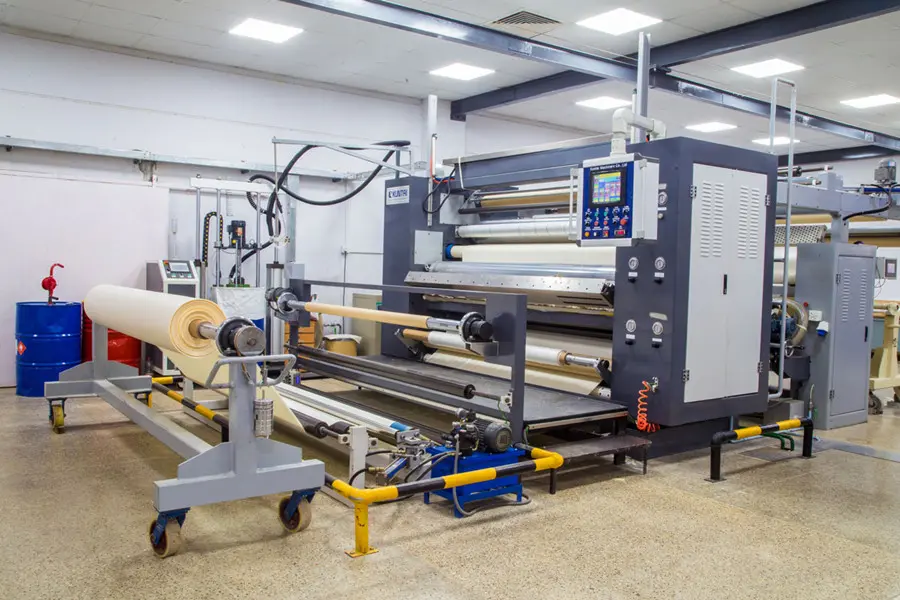
Automotive industry textiles (advanced automotive textile category)
- Rollo fabric for sunroof roller blinds: multi-layer polyester fabric+shading film composite/laminate, high temperature resistance, low volatility.
Car roof, door panels, and luggage interior: polyester fabric+PU foam sponge+non-woven multi-layer composite, sound-absorbing, shock-absorbing, and aging resistant.
Seat functional fabric: Fabric composite breathable foam/barrier film, anti fouling and moisture-proof.
Filtration and separation of textile materials
Industrial dust removal filter material: PTFE coated composite on polyester/aramid based cloth, used for dust removal bags in power plants and cement plants.
Liquid filtration material: multi-layer ultra-fine non-woven fabric composite, water treatment, food filtration.
The Laminating Machine firmly adheres the base fabric and ultra-fine fiber film to prevent the film layer from falling off.
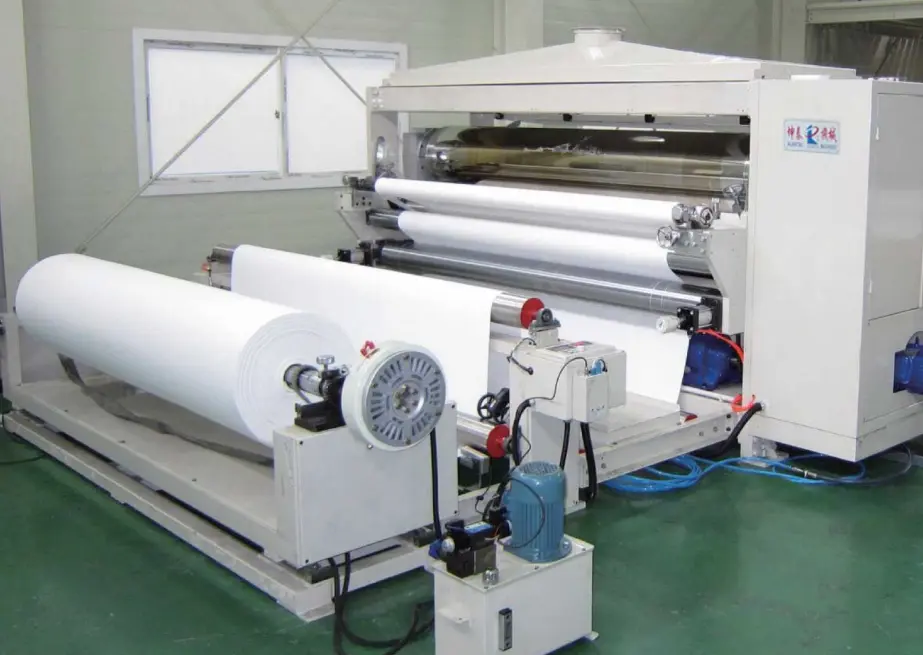
Architecture & Geotextiles
Geotextile composite fabric: PP/polyester non-woven fabric+plastic anti-seepage film composite (geomembrane), used for anti-seepage and drainage in landfills and water conservancy dams.
Building insulation and sound-absorbing materials: textile fiber felt composite barrier film, wall sound insulation, roof waterproof and breathable layer.
High end medical and health textiles (medical industry textiles)
High grade medical protective clothing fabric: spunbond non-woven fabric+microporous breathable membrane composite, blocking body fluids and viruses while being breathable.
Surgical drapes and medical dressing substrates are made of solvent-free hot melt laminating with low VOC, meeting medical contact standards.
Composite materials (fiber-reinforced textile substrates, UD, CFRT)
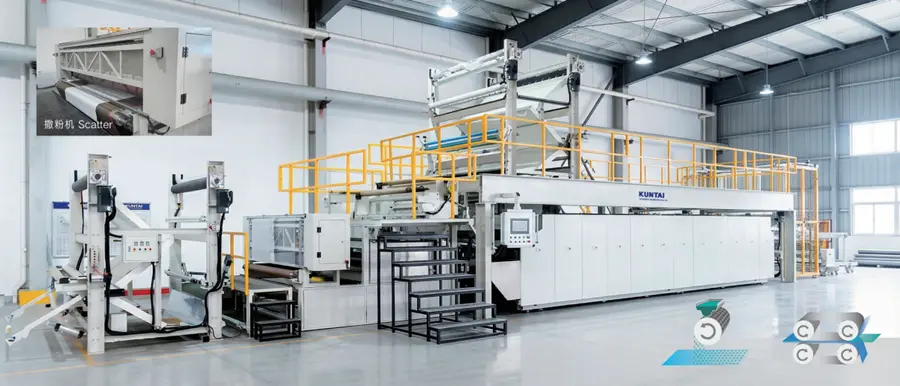
UD unidirectional fabric, continuous fiber-reinforced fabric: Fiber fabric and thermoplastic film hot melt laminating (double belt press laminating machine), producing lightweight and high-strength boards for rail transit, new energy battery shells, and aviation interiors.
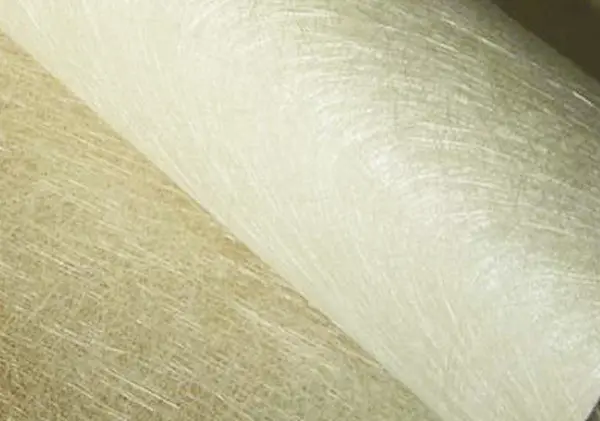
Carbon fiber, fiberglass fabric composite resin film, prepreg production.
Other advanced textile fields
Aerospace and rail transit interior textiles: flame retardant fabric+insulation film composite, lightweight, low smoke toxicity.
Intelligent textiles: conductive textile fabric composite waterproof protective film, flexible sensing fabric.
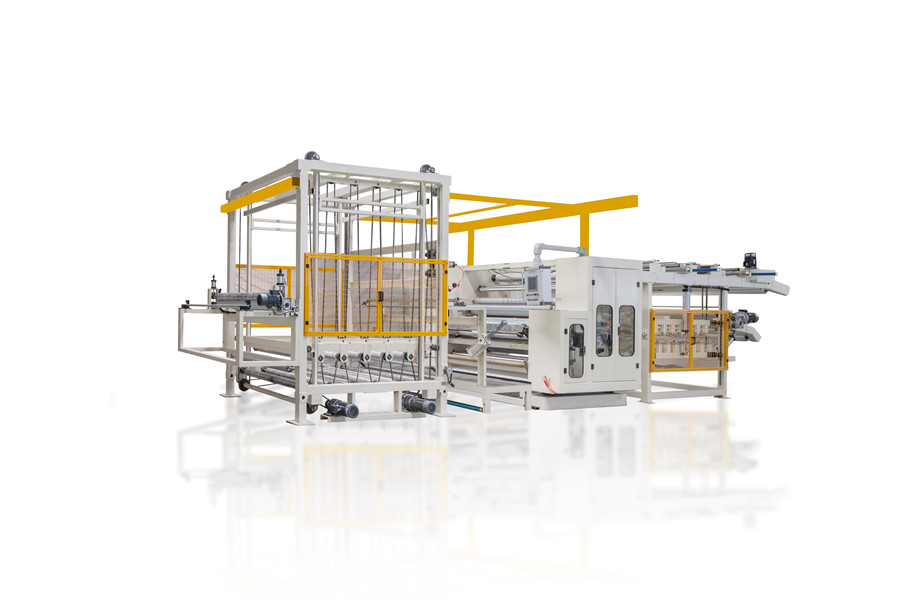
Characteristics of advanced textile composite machine selection
Prioritize hot melt lamianting machine, solvent-free laminating, and use less solvent glue; It can control the thickness, pressure, and temperature to protect high-performance fibers/microporous membranes from damage, meeting high environmental protection, high strength, weather resistance, and low VOC requirements.