




 Wechat ID: Annielv88


Panoramic Analysis of Guangzhou Textile Lamination Market in 2026
A large number of small and medium-sized lamination factories specialize in ordinary fitting of clothing and handbags, using PU adhesive as raw material, EVA, the price of ordinary TPU is stable, but peer pressure is severe, with a gross profit margin of only 8% -15%. There are many small and urgent orders, and large orders flow out to factories in Xintang, Foshan, and Zhongshan.

Benefiting from the outbreak of Guangzhou's new energy vehicle industry, the recovery of outdoor clothing exports, and stable demand in the underwear industry, orders for TPU breathable film, biobased hot-melt lamination, and flame-retardant automotive fabrics have increased by 20% -30% year-on-year, with a gross profit margin of 22% -35%. Top factories are operating at full capacity, with orders scheduled for 7-15 days.

Based on the RCEP policy, the export of laminated fabrics to Southeast Asia, Japan, and South Korea has seen significant growth, while the foreign trade volume of waterproof jacket fabrics, medical antibacterial composite fabrics, and luggage laminated materials has increased significantly; The outsourcing lamination processing volume of foreign trade stalls in Guangzhou's Zhongda market has increased by about 15%.
Water based PU adhesive: The price has slightly fallen, and the demand for environmentally friendly adhesive continues to rise. Small adhesive lamination factories that do not meet environmental impact assessment standards are limited in accepting orders;
TPU film and PUR hot melt adhesive: prices are stable, with a slight increase in high-end imported films;

Recycled polyester and biobased film: downstream brands are forced to use them, and the proportion of procurement is increasing year by year.
a. Haizhu District (core processing cluster)
Tuhua Village and Ruibao Industrial Zone: Traditional lamination towns, covering flame, water gel, TPU film, and underwear lamination. Fast delivery for small batches. Disadvantages: High rent and strict environmental control.
b. Xintang Town, Zengcheng (Large-scale)
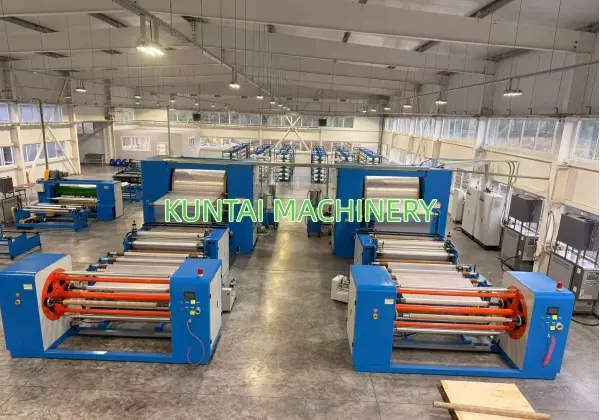
Standardized factories with wide width Hot Melt Machines. Ideal for large foreign trade orders (10,000m+), automotive interiors, and brand long-term orders.
c. Shiling Town, Huadu (Luggage/Handbag)
Specializing in Oxford cloth, Guchi nylon, and PVC foam lamination. Main focus on domestic leather goods with high cost-effectiveness.
d. Other regions
Tianhe and Baiyun: Small processing points/trading. Nansha: Focuses on industrial lamination materials (non-textile).
Guangzhou strictly controls VOC emissions: Old oil-based factories continue to shut down. PUR hot melt lamination and water-based processes have become mainstream.
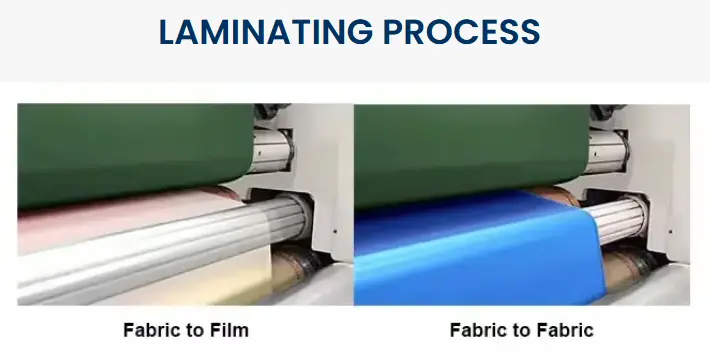
Flame Lamination requires expensive waste gas treatment, increasing production costs.
Four major high growth tracks:
- Outdoor waterproof/breathable (TPU/PTFE)
- New energy vehicle interiors (Flame retardant, low odor)
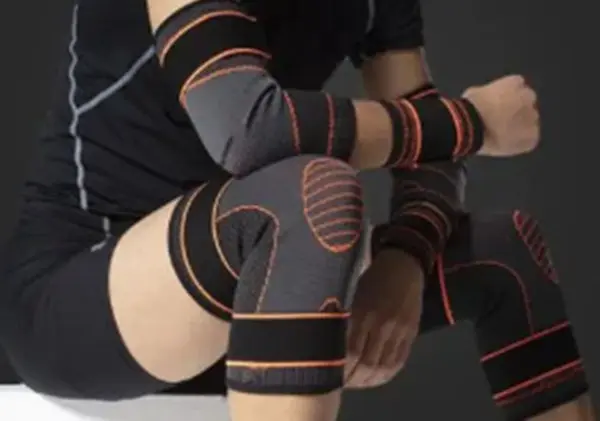
- Underwear seamless bonding (Bio-based films)
- Medical antibacterial fabrics (Protective clothing)

Market polarization: Low-end factories face elimination due to price wars, while large-scale standardized factories gain bargaining power through functional composite layouts.
Flexible production: Surge in small batch fast response (3-7 days delivery). Top factories use automated machines and AI quality inspection to handle small orders efficiently.
Green materials: Recycled fabrics and bio-based adhesives are now mandatory for many domestic and cross-border brands.
Existing Pain Points
- Rising rent & environmental costs in Haizhu.
- Severe low-end homogenization and price wars.
- Dependence on imported high-end TPU/PUR.
Core Opportunities
- Rapid growth in NEV automotive interior demand.
- Rebound in outdoor and medical fabric exports.
- Market share gains for compliant high-end factories.
- Seamless underwear and sports fabric upgrades.
