Leave Your Message

What Is the Best Sofa Fabric Bronzing Machine in 2026?

Choosing the best Sofa Fabric Bronzing Machine in 2026 means looking beyond speed claims and polished showroom samples. The right machine should apply foil evenly across the fabric width, maintain stable heat and pressure, and handle the materials your production line actually uses. A small test matters. Check the edges, seams, and darker color areas for lifting, dull patches, or uneven shine. Those details often reveal more than a sales brochure.

Compare working width, heating control, pressure adjustment, line speed, and operator access. Ask suppliers for a live demonstration using your own sofa fabric, foil, and pattern. Record the settings, then inspect the result after cooling and handling. A bright finish can look impressive under factory lights, yet feel rough or peel during later processing. That difference is costly.

A reliable recommendation should come from verifiable testing, not an invented endorsement. No source-backed industry expert quotation was included with the supplied material, so this introduction does not attribute unverified words to a named specialist. For a publishable expert quote, confirm the person’s name, role, and exact wording directly. That step is less flashy, but it protects trust. The comparison that follows focuses on practical performance, maintenance, material compatibility, and the evidence buyers should request before choosing a machine.

What Is the Best Sofa Fabric Bronzing Machine in 2026?

What Defines a Sofa-Fabric Bronzing Machine and Its Foil-Transfer Process?

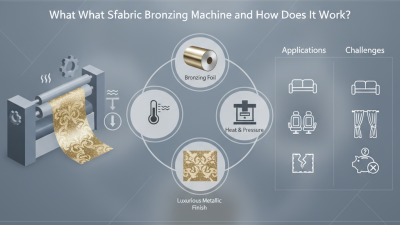
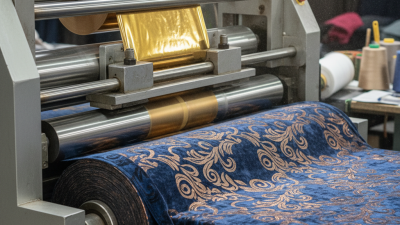
A sofa-fabric bronzing machine applies a metallic or colored foil pattern to upholstery textile using controlled heat and pressure. In plain terms, it bonds a thin decorative layer to selected areas of the fabric. The machine may use a heated roller for continuous production or a flat press for smaller panels. Foil, fabric, and adhesive must be compatible. A shiny finish alone does not prove a durable bond.

During transfer, fabric and foil are aligned, then fed beneath a heated roller or pressed together on a platen. Heat activates the foil’s bonding layer, while pressure helps it contact the textile surface. The carrier film is peeled away according to the foil supplier’s guidance. Temperature, pressure, and dwell time matter. Too much heat can flatten texture or damage sensitive fibers; too little may leave patchy details. Operators usually test a small swatch first, checking the foil after cooling and light rubbing. It can be fiddly. There is no universal setting: pile height, fabric composition, and pattern detail all change the result, and a successful sample still deserves a second look before a full production run.

How Do Temperature, Pressure, and Dwell Time Affect Foil Adhesion?

What Is the Best Sofa Fabric Bronzing Machine in 2026?

Foil adhesion depends on a balanced combination of temperature, pressure, and dwell time. Too little heat may leave dull, broken patches; too much can flatten a fabric’s pile or distort its surface. Pressure must hold the foil evenly against the material, but heavy pressure can crush textured upholstery. Dwell time matters, too: a brief, consistent contact often works better than holding the fabric under heat for too long. There is no universal setting. Fabric coatings, pile height, foil type, and machine calibration all affect the result.

Tips: Test a small offcut from the same fabric roll. Change one setting at a time, then check for clean edges, even shine, and texture recovery after cooling. Keep notes. A quick visual check can miss weak adhesion, so gently rub the cooled sample.

A reliable sofa fabric bronzing machine should offer stable temperature control, adjustable pressure, and repeatable dwell settings. Watch the first few passes closely. If foil transfers unevenly, inspect fabric tension and platen contact before raising the temperature. That part is easy to overlook. I would not assume a glossy sample proves the setup is production-ready; repeated runs may reveal fading or crushed fibers. Fine-tuning takes patience, and sometimes the first “good” setting is not the most durable one.

What Is the Best Sofa Fabric Bronzing Machine in 2026? - How Do Temperature, Pressure, and Dwell Time Affect Foil Adhesion?

There is no single best machine or universal setting for every sofa fabric. The right choice depends on the fabric construction, foil type, design size, production volume, and whether the material is processed as a flat panel or a continuous web. The ranges below are practical screening guidance, not guaranteed production settings; follow the foil and fabric suppliers’ instructions and validate settings on the actual materials.

Factor or machine type Practical guidance If the setting is too low or unsuitable If the setting is too high or unsuitable What to check
Temperature For an initial screening trial, test a small range around the foil supplier’s recommended temperature. A broad trial window sometimes used for heat-transfer foil work is approximately 120–170 °C, but the correct range varies substantially by foil, adhesive, fabric, and equipment. Foil may transfer incompletely, appear patchy, or release poorly from the carrier. Excess heat can distort or discolor fabric, damage coatings or synthetic fibers, cause adhesive bleed, or make the foil brittle. Verify actual platen or roller temperature at the working surface; check uniformity across the full design area.
Pressure Use even, repeatable contact pressure. Begin with the equipment and consumable suppliers’ recommendations; compare low, medium, and high settings while keeping temperature and dwell time constant. Gaps in contact can create incomplete transfer, weak edges, or inconsistent coverage on textured fabric. Excess pressure can flatten pile, mark the fabric, distort the design, or force adhesive beyond the intended area. Pressure readings depend on machine design and contact area. Check platen parallelism, cushioning, and pressure consistency rather than comparing machine gauge values alone.
Dwell time Use the foil supplier’s specified contact time as the starting point. If no validated setting is available, run short, controlled trials—for example, around 0.5–2.0 seconds where the machine and material permit. Insufficient contact time may leave areas unbonded or cause the foil to lift during carrier removal. Excessive contact time increases heat exposure and may cause scorching, fabric deformation, adhesive spread, or reduced throughput. Keep dwell time consistent and record whether the carrier should be removed hot, warm, or cold, as specified for that foil.
Fabric and backing Test the exact upholstery fabric, including its pile, coating, backing, and any finish. Results on a smooth swatch may not predict results on textured or stretch fabrics. Contamination, loose fibers, uneven surfaces, or incompatible finishes can interrupt bonding. Heat-sensitive fibers, coatings, and backings may shrink, gloss, discolor, or lose their intended hand feel. Inspect both the decorated surface and the reverse side after pressing; test on production-representative material.
Foil and carrier compatibility Select foil intended for the target substrate and process. Follow the supplier’s temperature, pressure, dwell, and carrier-release instructions. An unsuitable adhesive or release system may produce weak transfer or poor detail. Using a more aggressive setting to compensate for incompatible foil can damage the fabric without fixing adhesion. Record foil type, lot, carrier-removal method, and recommended process window for each trial.
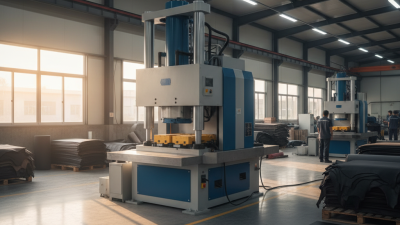
Flatbed heat-press machine Often suitable for cut panels, samples, localized motifs, and short or varied production runs. A platen that is too small or uneven can limit design size and produce inconsistent transfers. Slow manual handling may reduce productivity on long, continuous designs. Compare usable platen area, temperature uniformity, pressure adjustment, guarding, and repeatability.
Roll-to-roll transfer machine Often better suited to continuous fabric webs and longer, repeatable production runs. Incorrect web tension or roller contact can cause wrinkles, skew, or incomplete transfer. Excessive heat, pressure, or web tension can stretch or mark fabric and affect registration. Check working width, speed control, tension handling, roller uniformity, and changeover requirements.
Automated or programmable press Useful when repeatability, controlled cycles, and recorded recipes are important across multiple operators or orders. Limited adjustment or poor calibration can make settings difficult to reproduce. Automation does not prevent damage if the recipe is unsuitable for the material. Look for adjustable temperature, dwell, and pressure; recipe storage; calibration access; and safety features.
Recommended trial method Change one variable at a time. Hold fabric, foil, design, and carrier-removal method constant while testing temperature, pressure, and dwell. Changing several variables together makes it difficult to identify the cause of weak adhesion. Skipping material checks can hide damage that appears only after cooling or handling. Record settings and inspect transfer completeness, edge definition, fabric appearance, and repeatability.
Adhesion and durability check After the sample has cooled, assess whether the foil remains attached during careful handling and a repeatable, documented rub or peel check appropriate to the product. Loose edges, missing areas, or visible lifting indicate that the process or material combination needs review. A visually strong transfer can still be unacceptable if the fabric is scorched, flattened, or discolored. Set acceptance criteria with the product team and evaluate samples after any required cleaning or durability testing.
Best-choice summary Choose the machine that provides consistent heat, even adjustable contact, controllable dwell, suitable working width, and repeatable handling for the production format. A low purchase price alone does not establish process suitability. Higher automation or greater capacity is not automatically better for small batches or delicate materials. Before purchase, run a witnessed trial using the intended sofa fabric, foil, design, and production speed.

Which Working-Width and Speed Specs Suit Upholstery Fabric Production?

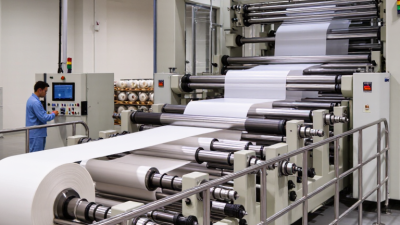
For sofa upholstery, working width should match the fabric roll, not just the widest job on the schedule. Check the usable width after allowing room for edge guidance and slight fabric movement. A nominally wide machine may still leave little margin at the selvedges. That gap matters.

Speed should be judged on finished fabric quality, not the control-panel maximum. Foil transfer, heat, pressure, and fabric composition all affect the stable running rate. A textured polyester and a heavier woven upholstery fabric may need different settings. Ask for a production trial using your own material, then inspect the surface for uneven shine, weak transfer, or scorching. Test it.

Compare output at the speed your operators can hold consistently, including roll changes and routine adjustments. A machine that runs quickly for a short demonstration may slow down during a full shift. Record usable metres per hour, not only metres per minute. It is easy to overlook setup time, and that can make a quoted capacity look better than daily output.

For a practical specification, start with your common roll width and the thickest or most delicate fabric in regular production. Leave some width headroom if product sizes vary, but avoid paying for unused capacity without a clear need. The right combination is the widest workable range your floor plan supports, paired with a stable speed confirmed on representative fabric.

How Can ISO 105-X12 and ISO 105-C06 Test Bronzed-Fabric Durability?

A bronzed sofa fabric can look striking under showroom lights, but appearance alone says little about durability. ISO 105-X12 tests colour fastness to rubbing. A white cotton rubbing cloth moves across the fabric under controlled pressure, both dry and damp. Afterward, technicians assess colour transferred to the cloth. That matters because armrests and cushions face repeated contact from hands, clothing, and cleaning.

ISO 105-C06 evaluates colour fastness during domestic or commercial laundering. The test uses specified washing conditions, such as temperature and detergent, then checks colour change and staining. Sofa covers are not always washable, so select conditions that match the care instructions. Watch the bronzed surface closely. A metallic-looking finish may fade, dull, or transfer differently from the base textile. Small changes can matter.

These tests offer useful evidence, not a complete verdict. They do not measure abrasion, sunlight fading, or how a finish behaves after years of sitting. A fabric may pass rubbing tests yet still lose its sheen at a cushion edge. I would compare results from several production samples, not one hand-picked swatch. That extra check takes time. It can also reveal variation that a tidy test report misses.

How Should Buyers Compare 2026 Machines for Controls, Safety, and Output?

What Is the Best Sofa Fabric Bronzing Machine in 2026?
How Should Buyers Compare 2026 Machines for Controls, Safety, and Output?

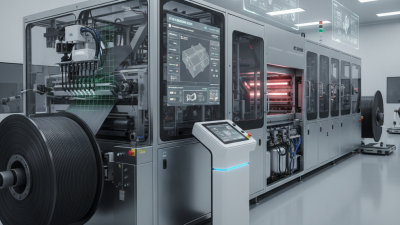
The best machine is the one that suits your fabric, finish, and daily production needs. Compare temperature, pressure, and feed-speed controls. Clear displays and repeatable settings help operators reproduce a finish across different shifts. Check whether adjustments are easy to make while wearing work gloves. Ask for a trial using your own fabric; a smooth sample on a narrow roll may not predict results on wider upholstery material.

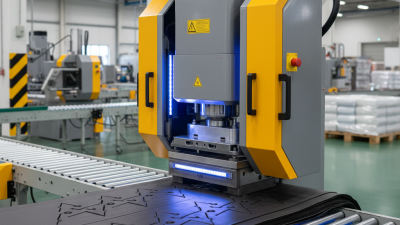
Safety matters during routine operation, not just installation. Look for accessible emergency stops, guarded moving parts, and clear warnings near heated surfaces. Confirm that operators can load and unload material without reaching into hazardous areas. For output, compare usable metres per hour, setup time, and defect rates—not only the machine’s advertised speed. A fast line can still waste fabric if pressure or heat varies across the roll. Small details matter.

Tips: Record settings and finished-sample results during a supervised trial. Compare edge-to-edge consistency, color appearance, and material feel. Ask how long a typical changeover takes. One imperfect test is still useful; it can reveal what needs closer checking.

How to Compare Sofa Fabric Bronzing Machines in 2026

Compare documented capabilities and verify them during a machine trial. The bars count buyer-checklist items, not machine ratings or market data.

Controls: adjustable line speed, temperature regulation where applicable, and repeatable saved settings. Safety: guarding at nip and drive points, accessible emergency stops, interlocked access panels, and electrical safety documentation. Output: rated fabric width, line speed, and throughput stated under defined operating conditions. Ask suppliers to demonstrate these points using your fabric and production requirements.