How to Choose the Best UD Impregnation Machine
Choosing a Ud Impregnation Machine is not just a matter of comparing line speeds. The right system must suit the fiber, resin, target width, and production volume. It should also deliver consistent wet-out across the web, not only under ideal test conditions. Small differences matter. A dry edge or uneven resin pickup can create costly scrap.
Look closely at tension control, heating zones, metering, and cleaning access. Ask suppliers for trial data using materials close to yours. Check how they measure resin content and temperature uniformity. A polished brochure is not process evidence. Operator access matters, too; a machine that is difficult to clean can interrupt a shift. No verified expert name or quotation was provided, so I will not invent one. Instead, this guide uses a practical selection principle: “Choose for repeatable impregnation, not headline speed.” It is a useful rule, though not a sourced expert quote.
The best choice depends on trade-offs. A wider line may raise output, but it can demand tighter web handling and more floor space. More automation may reduce routine adjustments, yet it cannot replace sound process trials. Be cautious with claims that promise perfect results. Real production includes material variation, maintenance needs, and occasional imperfect runs. This guide explains how to compare machine features, verify supplier claims, and match equipment to your actual process—before a purchase becomes a costly lesson.
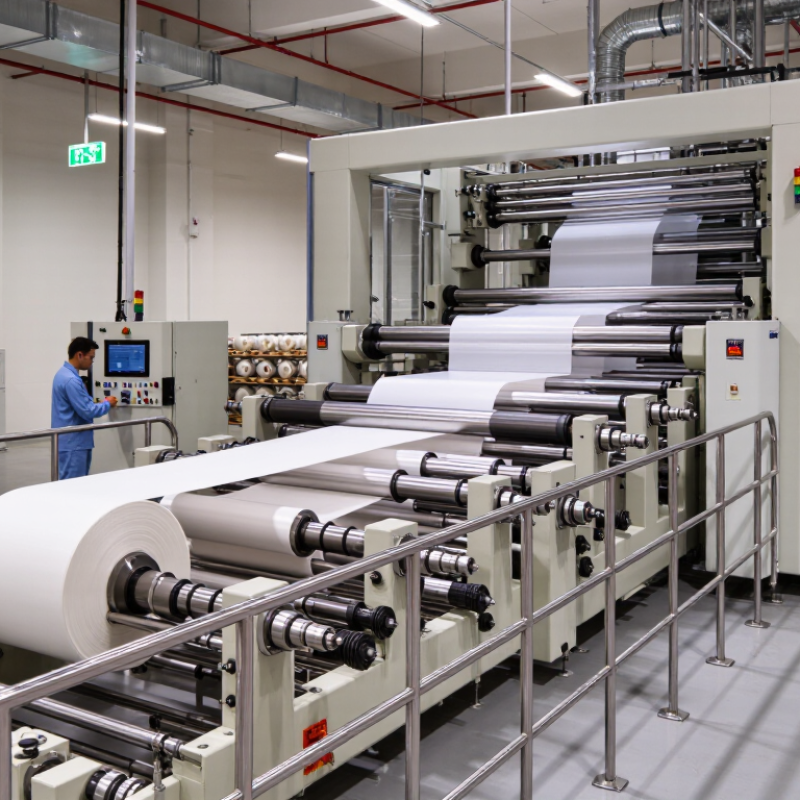
Understanding the Role of UD Impregnation Machines
A UD impregnation machine embeds resin into aligned, continuous fibers to produce unidirectional material. It helps control resin distribution, fiber alignment, and material thickness. These details affect how consistently the resulting tape performs during later processing. Small variations can matter.
The machine’s role extends beyond applying resin. Fiber tension, spreading, temperature, line speed, and resin metering all influence wet-out and final resin content. If fibers remain dry in places, or tension shifts across the web, the material may become uneven. That can complicate handling and create inconsistent parts. A well-designed system lets operators monitor key settings and repeat a validated process. Still, no machine can compensate for every variation in incoming fiber or resin. That is worth remembering.
Tips: Ask for trial runs using your actual materials. Check resin content, thickness, fiber alignment, and handling after cooling. Review how quickly operators can adjust settings and clean the line. A neat sample is not enough; repeatability matters.
How to Choose the Best UD Impregnation Machine
Understanding the role of UD impregnation machines starts with matching machine capabilities to the fiber, resin system, and target production requirements.
How to read this chart: The 1–5 values are illustrative planning priorities, not measured market data or machine specifications. Give higher priority to factors that directly affect your material and production goals. Confirm resin compatibility, line speed, temperature control, impregnation quality, and finished-tape requirements through supplier documentation and process trials.
Defining Material and Production Requirements
Before comparing equipment, define the material that must pass through it. Record fiber type, tow count, incoming width, and the resin system’s viscosity across its processing temperature range. These properties shape impregnation, heating, and tension requirements. A resin that flows well in a lab may behave differently across a wide, moving web. Small details matter.
Set measurable product targets next. Specify laminate width, resin content, fiber areal weight, thickness, and acceptable variation across the roll. Note the required line speed and planned shifts, not just the best speed shown in a demonstration. Ask how temperature is controlled through each heating zone and how tow tension is monitored. Stable tension helps limit wrinkles and uneven resin distribution, but the right setting depends on the reinforcement and resin. Test it.
Finally, map the production environment: available floor space, operator skill, changeover frequency, and inspection methods. If several materials will run on one line, list each combination; one setting may not suit all. Request trials using your own material and inspect samples for dry spots, edge buildup, and thickness consistency. Keep the test conditions and results. A first specification will miss something; note which settings changed during each pilot run.
Comparing Machine Types and Impregnation Methods
How to Choose the Best UD Impregnation Machine
Comparing Machine Types and Impregnation Methods
UD impregnation lines differ mainly in how they bring resin into the fiber tow. Wet impregnation guides fibers through a resin bath, then uses rollers to remove excess resin. It can suit established thermoset processes, but bath temperature and resin viscosity need close control. A small change may leave dry spots or uneven resin content.
Hot-melt systems apply heated resin films or melt directly onto spread fibers. They avoid solvent handling and can provide consistent coating, though heating and pressure must match the resin and fiber speed.
Powder-based systems spread resin particles onto fibers before heating and consolidation. They can be useful for thermoplastic materials, but powder distribution and melt flow require careful tuning. Each method has trade-offs.
Machine design matters as much as the resin route. A compact pilot line may use simple rollers and a short heating zone, while a production line may add tension control, multiple heating stages, and inline inspection. Look closely at tow width, line speed, temperature range, pressure control, and cleaning access. Ask for trial data using your actual fiber and resin, including resin content across the tape width. The edges tell a story. I would also check how quickly operators can change settings between materials; this detail is easy to overlook. No machine removes the need for process development. A supplier’s sample run is useful, but your own measurements should confirm uniformity, void levels, and repeatability.
Evaluating Performance, Controls, and Maintenance
Evaluate a UD impregnation machine at the resin, not just on its control screen. Track line speed, resin pickup, wet-out consistency, and scrap across representative fabric widths. Record results by shift. A stable average can hide dry spots near the edges. Small details matter.
Controls should make recipes repeatable, with logged settings for temperature, tension, bath level, and line speed. Check whether alarms identify a cause, not merely flash a code. Ask operators to test recipe changes and restart procedures during acceptance trials. A polished dashboard can still mislead if its sensors drift. That deserves scrutiny.
Maintenance access affects uptime. Inspect how quickly staff can clean resin-contact areas, reach filters, and replace wear parts. The U.S. Department of Energy’s Operations & Maintenance Best Practices Guide (2010) reports potential predictive-maintenance savings of 8–12% over preventive maintenance and 30–40% over reactive maintenance. These are broad program benchmarks, not guaranteed returns for impregnation equipment. Request service intervals and spare-part lead times, then compare them with your production schedule. A maintenance plan that looks good on paper may fail when cleaning takes longer than expected.
Selecting a Machine for Long-Term Production Needs
For long-term production, an impregnation machine should fit the work you expect to run, not just the order in front of you. Estimate typical and peak output, then check whether the machine can maintain consistent resin application across those conditions. Compare usable width, line speed, material thickness, and changeover time with your actual production schedule. A fast rating means little if operators must slow the line to correct uneven pickup.
Look closely at the parts that keep the line running. Ask how filters, rollers, seals, and resin delivery components are accessed and replaced. Check whether routine cleaning can happen without a lengthy shutdown. Small details matter. A drip tray that is awkward to remove, for example, can turn a quick cleanup into lost production time. Also review controls, safety features, operator training, and the availability of technical support. These affect day-to-day reliability as much as the machine’s headline capacity.
Before committing, run representative materials through a trial when possible. Record resin usage, product consistency, and time spent on adjustments, not just the best production speed. A specification sheet can look convincing, but it may not reflect your real operating conditions. I would be cautious about choosing extra capacity without a clear need; it can add cost and complexity. Still, leaving no room for future product changes may prove shortsighted. Decide which trade-off your production plan can actually support.





 Wechat: ANNIELV88