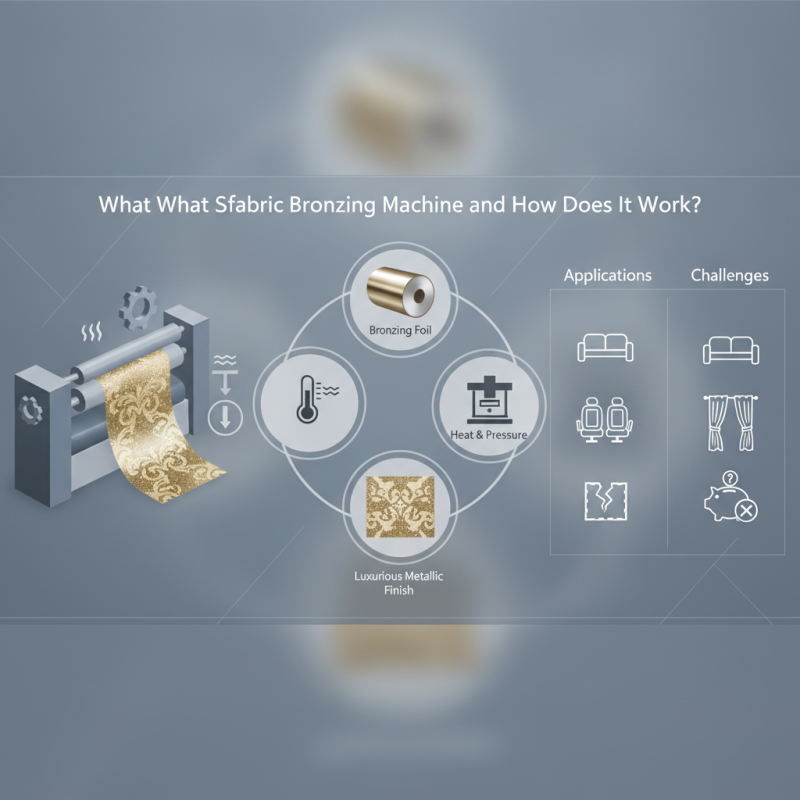
What is a Sofa Fabric Bronzing Machine and How Does It Work?
The Sofa Fabric Bronzing Machine is an innovative tool in the textile industry. It adds a luxurious, metallic finish to various fabric types, enhancing their visual appeal. This technique is widely used in sofa manufacturing, upholstery, and other decorative textile sectors.
Understanding how this machine operates requires a look at its components and processes. Typically, it uses heat and pressure to transfer a bronzing foil onto fabric surfaces. The result? A stunning, eye-catching design that can elevate any piece.
However, there are challenges. Not all fabrics react well to bronzing. Additionally, the process can be costly for small manufacturers. The Sofa Fabric Bronzing Machine holds great potential. Yet, its limitations must be recognized and addressed to ensure quality outcomes.
What is a Sofa Fabric Bronzing Machine?
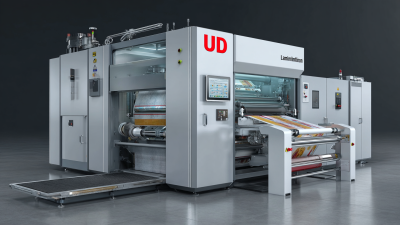
A sofa fabric bronzing machine is a specialized tool used in the textile industry. Its main purpose is to enhance the appearance of fabrics by applying a metallic sheen. This process creates a luxurious look that can elevate any piece of furniture. The bronzing effect is achieved through the application of heat and pressure, which bonds metallic particles to the fabric surface.
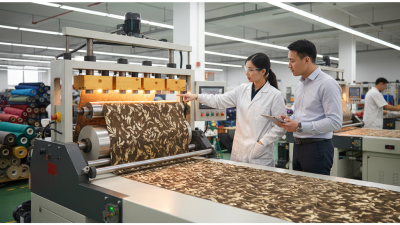
In operation, the machine heats up and uses rollers or plates to transfer the bronzing material onto the fabric. This requires precise temperature control and timing. A well-executed process can result in stunning, eye-catching designs. However, imperfections can occur if the settings are incorrect. Too much heat can damage fabrics, while insufficient pressure may lead to uneven application.
Understanding how these machines work is essential for workers in the textile field. Training on machine operation and maintenance is crucial. While the bronzing process can bring high-quality results, there’s always room for improvement. Experimentation with different settings can lead to better outcomes. The beauty of bronzing lies in its ability to transform ordinary materials into exquisite pieces.
What is a Sofa Fabric Bronzing Machine and How Does It Work?
| Feature |
Description |
| Machine Type |
Sofa Fabric Bronzing Machine |
| Primary Use |
To apply bronzing effects on sofa fabrics |
| Technology |
Heat transfer and foil application technology |
| Material Compatibility |
Various upholstery fabrics including polyester, cotton, and blends |
| Production Capacity |
Can process large volumes depending on machine size |
| Safety Features |
Automatic shutoff, temperature control, and user safety guards |
| Advantages |
Enhances fabric aesthetics, adds value, and is cost-effective |
| Maintenance |
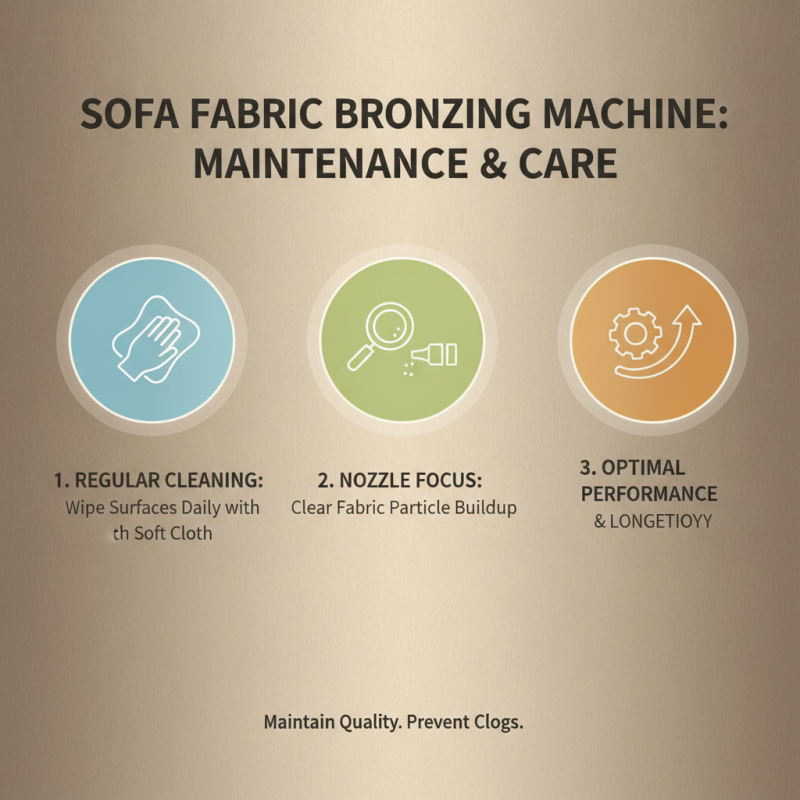
Regular cleaning and occasional part replacements |
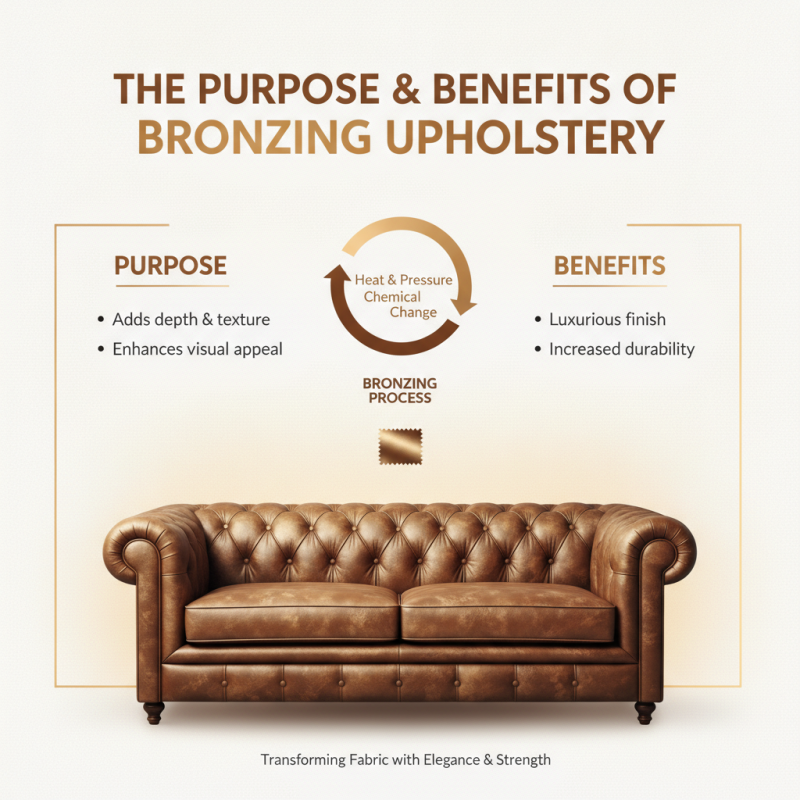
The Purpose and Benefits of Bronzing in Upholstery
Bronzing in upholstery is a fascinating technique that adds depth and texture to fabric surfaces. This method enhances the visual appeal of sofas and other upholstered pieces. By applying heat and pressure, the surface of the fabric undergoes a chemical change, resulting in a rich, luxurious finish. This not only improves aesthetics but also increases the durability of the fabric.
One major benefit is that bronzing can highlight intricate designs and patterns. It brings them to life, making each piece of furniture a unique statement. The process requires precision and skill, yet it’s not without challenges. Sometimes, the heat may be unevenly applied, leading to patchy results. Craftsmanship is essential for a flawless outcome.
Tips: When bronzing, maintain consistent pressure for even results. Avoid excessive heat, as it can damage the fabric. Always test on a scrap piece first to gauge the outcome. Careful practice will yield better results over time. Consider starting with simpler fabrics before progressing to more complex materials. This step-by-step approach can enhance your skills significantly.
How Does the Bronzing Process Work?
The bronzing process is a fascinating technique used in the textile industry to enhance the appearance of sofa fabrics. It begins with the application of a special foil that reacts when heat is applied. This creates a stunning metallic finish on the fabric, elevating its aesthetic appeal. The process typically involves a bronzing machine, which uses precise temperature control to ensure an even application.
During bronzing, the fabric is carefully placed in the machine. The foil is then positioned above the fabric. As heat is applied, the foil adheres to the fabric, transferring its metallic finish. The machine ensures consistent pressure, which is vital for achieving the desired results. However, it can be challenging to get the temperature just right. Too much heat can damage the fabric, while too little may result in a poor bond.
This process requires not only skill but also a keen eye for detail. Operators must monitor the machine closely to avoid imperfections. Variability in fabric texture and composition can lead to unexpected results. Some fabrics may take to bronzing better than others. Experimentation is essential to perfect the technique, as failure to adapt can result in less-than-ideal outcomes. This adds an element of unpredictability to the process, reminding operators of the artistry involved in fabric treatment.
Components and Features of a Bronzing Machine
A sofa fabric bronzing machine is an essential tool in the upholstery industry. It adds an attractive sheen to fabrics, enhancing their visual appeal. The core components of these machines include a heated plate, a pressure system, and a foil dispenser. Each part plays a critical role in ensuring effective bronzing.
The heated plate is crucial as it allows the foil to adhere to the fabric. It operates at temperatures around 120-180 degrees Celsius, depending on the material. The pressure system ensures enough force is applied to transfer the foil onto the fabric. According to industry reports, this process increases the fabric's market value by up to 25%. Moreover, the foil dispenser automates the application, improving efficiency. Proper calibration of these components is necessary but often overlooked.
The quality of bronzing depends not only on the machine but also on the operator's skill. Mistakes like uneven application can lead to wastage of materials and time. Many operators struggle with achieving consistency, especially with intricate designs. Advanced training and ongoing practice are vital for optimizing results. The bronzing machine's features may include adjustable temperature controls and programmable settings for design complexity. However, mastering these features demands diligent effort and precision.



 Wechat: ANNIELV88