2026 Top Hydraulic Cutting Press Buying Guide for Global Importers?
In the evolving landscape of manufacturing, the demand for efficient and precise machinery is crucial. A Hydraulic Cutting Press stands out as a vital tool for global importers seeking high-quality production capabilities. This comprehensive buying guide aims to equip you with insights into selecting the best Hydraulic Cutting Press for your specific needs.
Understanding the features, capacities, and technology involved in these machines can be complex. Importers often face challenges navigating the myriad options available in the market. Factors such as the machine's tonnage, stroke length, and safety features play significant roles in making an informed choice. As you venture into this investment, appreciating both the advantages and limitations of each model is essential.
The hydraulic cutting press you choose can dramatically influence your operational efficiency. It’s important to explore all your options thoroughly, even those that seem less appealing at first. By approaching your selection process with a discerning eye, you can ensure a successful purchase that aligns with your business goals.
Understanding Hydraulic Cutting Press: Definition and Functionality
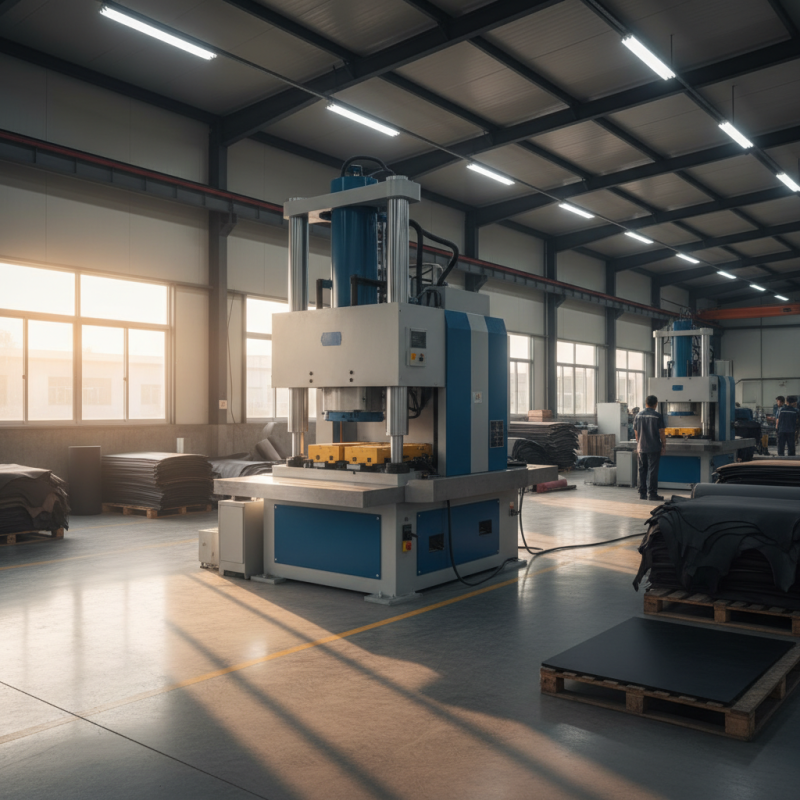
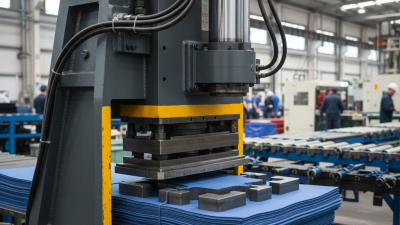
Hydraulic cutting presses play a vital role in various manufacturing sectors. They are designed to cut materials using hydraulic force, making them ideal for tasks such as metal forming and trimming. Their functionality is anchored in the principles of hydraulic mechanics, where force is multiplied through the use of liquids. This technology enables manufacturers to achieve high precision and efficient results, crucial for quality control.
The market for hydraulic cutting presses is growing rapidly. According to industry reports, the global market is projected to reach approximately $2 billion by 2026. This growth is driven by increasing demands for automation and efficiency in manufacturing processes. Users must pay attention to key specifications when purchasing. Consider factors like tonnage, stroke length, and overall energy consumption to meet operational needs effectively.
Tip: Always evaluate the power source of the press. Electric vs. hydraulic power can significantly impact performance and maintenance requirements.
Another point of reflection is the equipment's safety features. Hydraulic presses can pose risks if not handled correctly. Buyers should prioritize presses with updated safety mechanisms. Regular training for operators is essential in preventing accidents and ensuring a safe working environment.
Key Features to Consider When Choosing a Hydraulic Cutting Press
When considering a hydraulic cutting press, several key features significantly impact operational efficiency and product quality. First, the pressing force is crucial. A higher force allows for cutting through thicker materials. According to industry data, a press with a force above 100 tons is suitable for handling most industrial applications. Also, the bed size and throat depth are essential. They determine the size of the materials you can process effectively. Irregular shapes require larger presses, as they accommodate various design needs.
Another important aspect is the control system. Advanced presses utilize CNC technology, enabling precise adjustments. This leads to fewer errors and reduces material waste. Recent studies show CNC-controlled presses can enhance productivity by up to 30%. Furthermore, safety features should never be overlooked. Two-hand controls and emergency stops are crucial for operators' safety.
It's essential to reflect on maintenance costs when purchasing. Regular maintenance can prevent breakdowns and prolong the machine's lifespan. Keeping an eye on ongoing expenses helps in budgeting. After all, a low initial purchase price may come with hidden costs. Understanding these factors ensures a more informed decision when choosing the right hydraulic cutting press for your needs.
Comparative Analysis of Leading Hydraulic Cutting Press Brands
In recent years, the hydraulic cutting press market has witnessed rapid growth. According to market reports, the industry is projected to reach a value of $3.6 billion by 2026, reflecting a compound annual growth rate of 5.8%. This growth is driven by advancements in technology and an increasing demand for precision cutting across various sectors. Importers must consider key factors like efficiency, durability, and ease of use when selecting a hydraulic cutting press.
Comparative analysis of leading brands reveals significant differences. For instance, one brand may focus on energy efficiency, achieving up to 30% savings compared to competitors. Another may excel in cutting speed, reducing operational time significantly. However, not all machines are the same. Some users report mechanical issues that arise after a long period of use, raising concerns about reliability and maintenance costs. Importers should weigh these factors carefully, understanding that the best choice may not always align with initial cost.
Additionally, customer support and service quality are critical. Data indicates that brands with high customer satisfaction ratings often provide better long-term value. Yet, many users have experienced delays in service, leading to production downtime. This underscores the need for thorough research before making a buying decision. Importers should aim for a balanced evaluation, considering both performance metrics and customer feedback in their assessments.
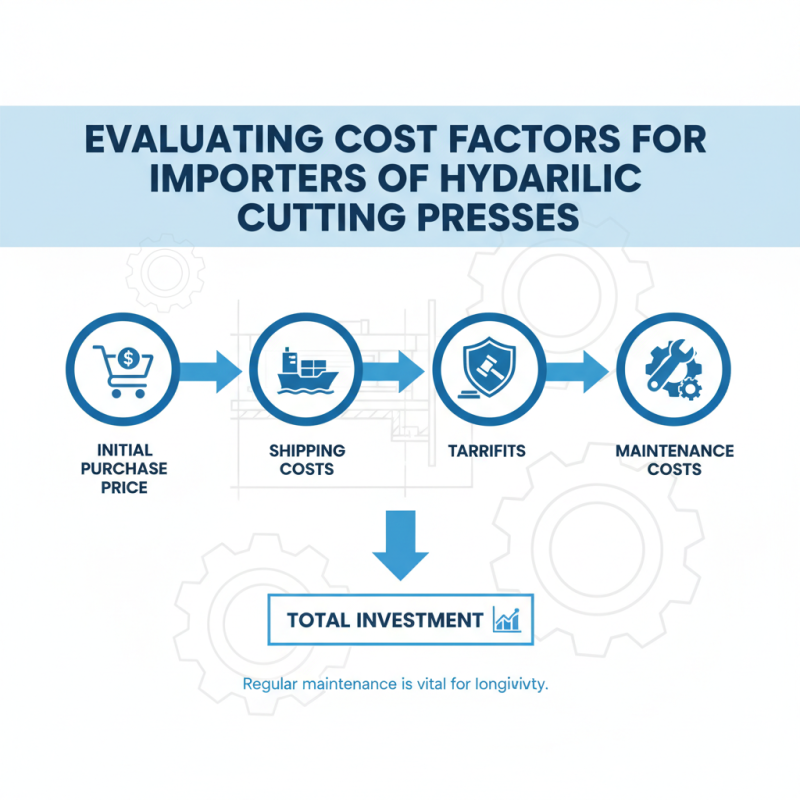
Evaluating Cost Factors for Importers of Hydraulic Cutting Presses
When considering hydraulic cutting presses, cost is a major factor for importers. Importers should evaluate the initial purchase price, shipping costs, and tariffs. Each of these elements can significantly impact the total investment. Additionally, maintenance costs should not be overlooked. Regular maintenance can add to the overall expense but is vital for longevity.
Another important aspect is the energy consumption of the equipment. Hydraulic cutting presses vary widely in energy efficiency. Higher efficiency machines may have a higher upfront cost but will save money in the long run. Buyers must weigh upfront savings against long-term benefits.
Lastly, importers need to factor in potential customization costs. Some projects require specific modifications that can inflate expenses. Understanding the total cost, including unforeseen costs, is crucial. Overlooking these details can lead to unexpected challenges. Importing hydraulic cutting presses is complex, but careful planning can lead to a successful investment.
Post-Purchase Considerations: Maintenance and Support Options
When investing in a hydraulic cutting press, after-purchase support is crucial. Maintenance can directly impact performance and longevity. Regular checks ensure your machine runs smoothly. This saves costs in the long run. Consider scheduling maintenance with professionals familiar with hydraulic systems. They can diagnose issues before they escalate.
Tips for maintenance include keeping the machine clean and lubricating it regularly. Check for wear and tear on moving parts. Inspect hydraulic fluid levels periodically. A small leak can lead to major problems if not addressed early. Also, maintain a detailed log of repairs and maintenance. This can help in tracking performance trends.
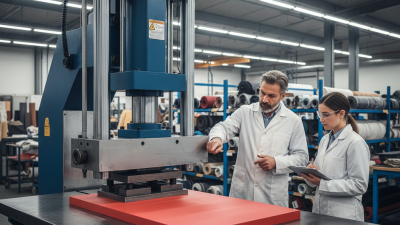
Support options play a vital role too. Look for suppliers who offer robust customer service. Good support can mean quick resolutions for any issues. Training for operators enhances efficiency and safety. Ensure your team is educated about the machine’s operations. This can prevent many common mistakes, ultimately extending the press's life. Reflecting on experiences, consider if your past support systems have met your operational needs.
2026 Hydraulic Cutting Press Maintenance and Support Options





 Wechat: ANNIELV88