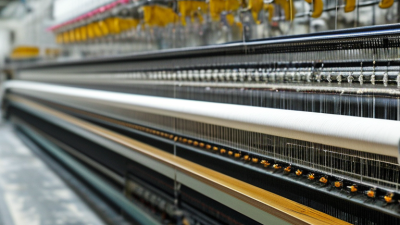
Why Choose a Hot Melt Coating Machine?
A Hot Melt Coating Machine applies heated adhesive directly to a moving substrate, creating a controlled layer without relying on solvent evaporation. For manufacturers, that can mean faster line speeds, less drying space, and more consistent coating weight. The benefits depend on the material, adhesive, and operating conditions. A machine is not a shortcut around process development.
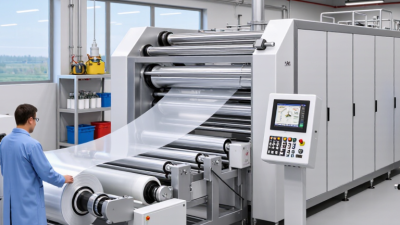
Picture a roll of film moving beneath a heated slot die. The adhesive must stay within its target temperature range, while pump speed and web tension remain steady. Small changes can affect coat weight or adhesion. That is why equipment selection should consider the complete line, not just the coater. As an explicitly illustrative expert voice—not a verified quotation—process engineer Alex Morgan puts the principle this way: “A stable coating starts with a stable process, not a machine specification.” Before choosing, compare the required width, output, temperature controls, cleaning needs, and available technical support. Ask for trials using your actual substrate and adhesive. Results on paper can look tidy. The production floor is less tidy. That gap deserves honest attention.
A suitable system can improve repeatability and reduce avoidable process waste, but it still needs skilled setup and routine checks. The right choice is the one that meets your coating requirements reliably, fits your line, and can be maintained by your team.
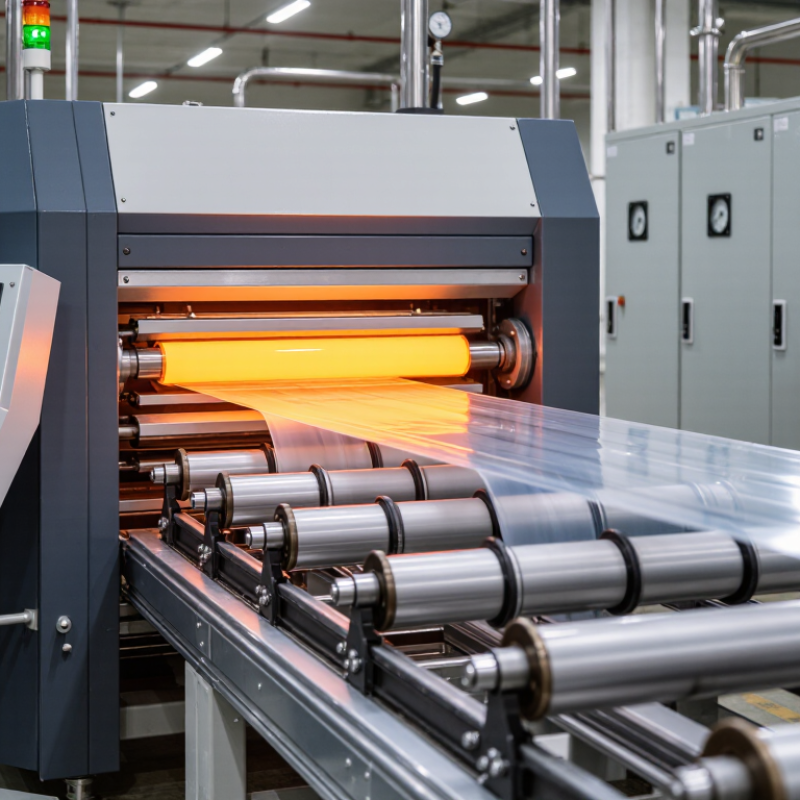
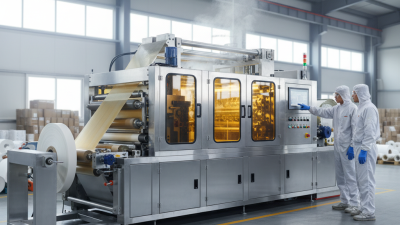
A hot melt coating machine applies adhesive that has been heated until it flows. The system typically includes a melter, heated hoses, a coating head, and controls for temperature and web speed. As paper, film, foam, or fabric moves through the machine, the adhesive is deposited in a thin layer or a defined pattern. It then cools and sets, bonding the materials without needing a drying oven for solvent removal.
That matters. Operators can adjust coat weight, temperature, and line speed to suit the substrate and product. A slot die may create a continuous film, while a patterned head leaves selected areas uncoated. In practice, even small changes in temperature can affect adhesive flow and coating consistency. Samples should be checked during setup, not just at the end of a run.
A hot melt coating machine is useful when a process needs fast bonding and controlled adhesive placement. But it is not automatically the right choice for every material. Heat-sensitive substrates may warp, and poor temperature control can cause uneven coverage or buildup around the coating head. Real production results depend on matching the adhesive, machine settings, and substrate. That takes testing.
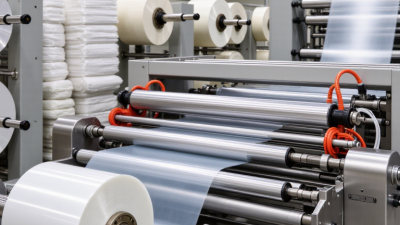
A hot melt coating machine heats adhesive until it flows, applies it to a moving substrate, and lets it set as it cools. This typical-process comparison uses 1 for “Yes” and 0 for “No.” Hot melt avoids a water or solvent carrier and its evaporation step; actual equipment and process requirements vary by adhesive and application.
Hot melt coating begins by heating solid adhesive until it reaches a consistent molten state. The machine feeds the melt through a heated hose to a coating head, often a slot die or roller. Temperature matters: adhesive that is too cool may flow unevenly, while excessive heat can affect its properties. The melt is ready.
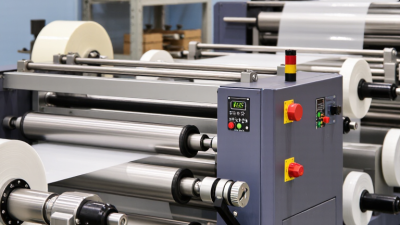
As the substrate moves beneath the coating head, the machine applies a controlled layer to its surface. A metering system, die gap, pump rate, and web speed help determine coat weight. Some lines then press a second material against the coated layer using a nip roller. In other setups, the adhesive remains exposed until a later bonding step. The exact sequence depends on the product.
The coated web passes through a cooling section, where the adhesive sets without needing solvent evaporation. Operators monitor temperature, tension, line speed, and coating uniformity, then inspect samples for gaps, streaks, or weak bonding. A clean nozzle and stable material feed help reduce defects. Still, a stable display reading does not guarantee an even coating across the full roll; edge buildup and subtle thickness changes can be easy to miss. Regular checks matter.
Hot melt coating applies a thermoplastic adhesive in its molten state. The values below are general examples, not universal settings; select adhesive-specific temperatures and operating limits from the supplier’s technical data and validate them for the substrate and application.
| Process stage | Machine function | Key controls | Typical checks and considerations |
|---|---|---|---|
| 1. Unwind and web preparation | Feeds film, paper, foil, fabric, or another flexible substrate through the coating line. | Unwind tension, web alignment, substrate condition, and line speed. | Check that the web is clean, dry, correctly aligned, and compatible with the adhesive and coating method. |
| 2. Adhesive melting | A heated tank or melter brings solid hot melt adhesive to a pumpable molten state. | Adhesive-specific melt temperature, heating time, and material residence time. | Use the adhesive supplier’s recommended temperature range. Excessive heat or prolonged residence can degrade some adhesives. |
| 3. Heated transfer and metering | A heated hose and pump deliver molten adhesive to the coating head at a controlled rate. | Hose and head temperatures, pump output, pressure, and adhesive flow. | Keep the adhesive within its specified processing window and monitor for leaks, blocked filters, or unstable flow. |
| 4. Coating application | A slot die, roller, or other applicator deposits molten adhesive onto the moving substrate. | Coating width, adhesive flow, line speed, die gap or roller setting, and target coat weight. | Coat weight is application-dependent; values such as approximately 10–100 g/m² may be encountered in some uses, but are not a universal specification. |
| 5. Bonding or lamination | A second web may be brought into contact with the coated layer using a nip or laminating section. | Nip pressure, web alignment, contact timing, and substrate tension. | Confirm that the adhesive wets the surfaces adequately and that pressure does not deform or damage the materials. |
| 6. Cooling and setting | The coated web or laminate cools so the thermoplastic adhesive solidifies. | Cooling conditions, line speed, web tension, and time before winding. | Allow sufficient cooling to reduce blocking, transfer, or distortion during winding and handling. |
| 7. Inspection and rewind | The finished web is inspected and wound into rolls for storage or converting. | Winding tension, roll hardness, edge alignment, and quality sampling. | Check coating uniformity, defects, bond performance, and roll quality against the product specification. |
| Potential advantage | Why it may matter |
|---|---|
| No drying oven required for solvent or water removal | Hot melt adhesives are applied without a carrier solvent or water that must be evaporated, although cooling and other process equipment may still be needed. |
| Fast physical setting on cooling | The adhesive develops a solid form as it cools, which can support rapid handling when the formulation and process are suitable. |
| Adjustable coating application | Metered delivery and suitable coating heads can help control coating width and adhesive add-on for a range of web applications. |
| Potentially clean, continuous processing | A well-maintained system can apply adhesive continuously, but performance depends on adhesive selection, machine setup, substrate properties, and process control. |
Hot melt coating machines apply adhesives as heated liquids, then cool them into functional layers. Common formulations include ethylene-vinyl acetate, polyolefin, and pressure-sensitive hot melts. Some applications use reactive polyurethane systems, which need tighter control of moisture and processing conditions. The right choice depends on required tack, flexibility, heat resistance, and end use. There is no universal recipe.
These coatings appear on paper, release liners, plastic films, foil, textiles, foam, and nonwoven fabrics. Packaging converters use them for carton sealing and laminated structures. Label and tape makers coat narrow webs with controlled adhesive layers. Hygiene products may use hot melts to bond nonwovens, elastic strands, or absorbent components. Automotive suppliers apply them to interior fabrics, trim, and acoustic materials. Construction products can include coated membranes and insulation facings.
A practical assessment starts with the substrate, coating weight, line speed, and operating temperature. Thin films may distort under excess heat; porous fabrics can absorb adhesive unevenly. That matters. Operators should also check viscosity stability and whether the coating head suits the material width and pattern. Still, a setup that works on paper may behave differently on a textured textile. Small trials help expose those limits before full production.
Hot melt coating applies heated adhesive directly to a moving web, then sets as it cools. The Adhesive and Sealant Council’s technical guidance describes hot-melt adhesives as 100% solids: the applied material contains no carrier solvent to evaporate. That can reduce drying time and simplify ventilation needs. On a production line, quick setting may also allow faster handling after coating. The result is practical: a coated roll can move onward without waiting for a long drying tunnel.
Control matters. Operators can adjust temperature, pump speed, and coating gap to manage the adhesive layer. A stable setup helps reduce thin spots, strings, and edge buildup. It can also limit wasted adhesive. Still, hot melt is not automatically the best choice. Heat-sensitive films may distort, and overheated adhesive can discolor or lose performance. Test the actual substrate and coating weight before committing to a production run. Small trials often reveal problems a specification sheet misses.
Tips: Check the adhesive’s recommended temperature range, then verify the coating weight across the web—not only at the center. Keep a simple log of temperature and line speed. It may feel tedious, but it makes defects easier to trace.
Start with the coating job, not the machine’s maximum speed. Record your web width, target coat weight, substrate, adhesive viscosity, and required output. A paper label stock and a heat-sensitive film behave differently under the same settings. Choose a coating head—such as slot-die or roll-based—that suits your material and tolerance needs. Still, a larger machine is not automatically a better fit.
Check temperature stability, pump capacity, and control over coating weight. Ask suppliers to run a trial using your actual substrate and adhesive; inspect the edges, coverage, and startup waste. Grand View Research’s 2024 Hot Melt Adhesives Market report estimated the global market at about US$7.68 billion in 2023, with projected growth through 2030. That growth signals a broadening market, not proof that every line needs higher speed. A frequent mistake is buying for an optimistic future volume while overlooking cleaning time and changeovers.
Tips: Measure real production conditions, including warm-up and downtime. Confirm that service parts and operator training are available. Keep a small margin for future work, but test the trade-off: more capacity can mean higher energy use and harder maintenance.