Leave Your Message

China Top Hot Melt Glue Coating Lamination Machine?

China has become an important source of industrial adhesive coating equipment. Many manufacturers now produce the Hot Melt Glue Coating Lamination Machine for packaging, textiles, labels, filtration materials, and technical films. However, choosing a reliable supplier requires more than comparing online prices. Actual performance depends on coating width, line speed, adhesive viscosity, heating stability, and substrate compatibility.

A practical evaluation should begin with the production requirement. For example, a packaging plant may need accurate coating at 120°C, while a textile operation may require wider working widths and gentle web handling. Ask suppliers for trial results, machine videos, component brands, and maintenance records. Inspect the glue tank, metering system, temperature sensors, rollers, and emergency controls. Small details matter. A stable temperature reading can prevent uneven adhesive lines and wasted material.

Experienced Chinese manufacturers often provide customization, installation support, operator training, and replacement parts. Their technical teams may also recommend slot-die, roller, or spray coating systems according to the application. Yet no machine is perfect. Some brochures emphasize maximum speed, while real output may decrease with thicker glue or delicate substrates. This point deserves careful verification. Buyers should request samples produced with their own materials and review relevant quality documentation before ordering. A dependable Hot Melt Glue Coating Lamination Machine should offer consistent bonding, manageable energy use, safe operation, and long-term service support. The best choice is not always the cheapest. It is the machine that performs predictably on the factory floor.
China Top Hot Melt Glue Coating Lamination Machine?

What Is a Hot Melt Glue Coating Lamination Machine?

What Is a Hot Melt Glue Coating Lamination Machine?

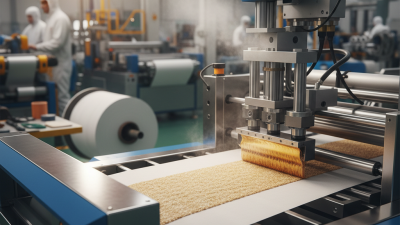
A hot melt glue coating lamination machine bonds two or more materials with heated adhesive. Common substrates include fabric, foam, film, paper, and nonwoven rolls. The machine melts solid adhesive pellets or blocks inside a heated tank. A coating head then applies a controlled layer onto one web.

The coated material meets a second layer at a pressure roller. Heat, pressure, and line speed work together. Operators adjust these settings according to adhesive type and substrate thickness. Too much glue may create stiffness, odor, or uneven edges. Too little glue can cause peeling during later processing.

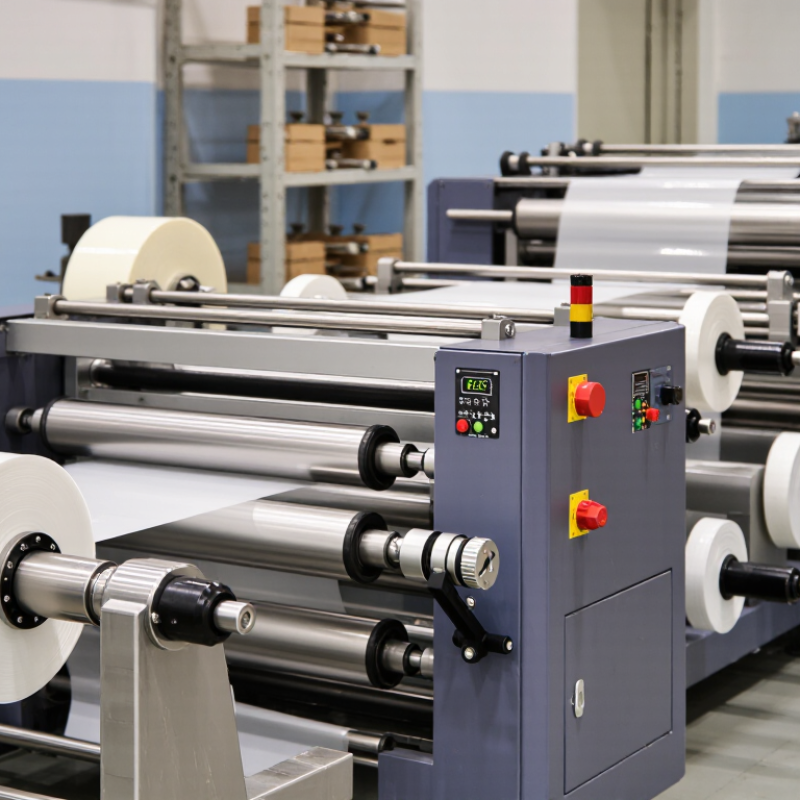
Modern equipment often includes unwinding units, tension control, temperature zones, coating rollers, laminating rollers, and rewinding systems. A touchscreen may display speed, temperature, and adhesive pressure. However, automation does not remove the need for practical judgment. Dust, moisture, and small tension changes can affect bonding quality. We have found that a clean roller surface matters more than many beginners expect.

Before production, technicians usually test peel strength, appearance, flexibility, and heat resistance. The best coating weight on paper may fail on foam. That is worth remembering. Regular inspection also helps identify blocked nozzles, unstable temperatures, and wrinkles before they damage a full roll. Safe operation requires guarding, ventilation, heat protection, and training near hot components.

How Does a Hot Melt Glue Lamination Machine Work?

A hot melt glue lamination machine bonds two webs without solvent-based drying. The process begins as operators unwind film, foil, paper, or nonwoven material. Guide rollers control web alignment and tension. Inside the heated tank, solid adhesive becomes a controlled liquid. A gear pump sends it toward a slot die, gravure roller, or coating head. The coating system lays a thin, even adhesive layer onto one web.

Temperature matters greatly. Too little heat can cause poor flow and weak bonding. Too much heat may damage the adhesive or substrate. The coated web then meets the second web at a heated or chilled nip. Pressure spreads the adhesive and removes trapped air. As the laminate cools, the bond gains handling strength.

Experienced operators watch viscosity, line speed, coat weight, and nip pressure together. Changing one setting can affect the others. Sensors help, but hands-on inspection remains valuable. A clean edge, stable unwind, and consistent roll hardness reveal process problems early. Quality checks may include peel strength, appearance, thickness, and aging performance. Small samples should be tested before full production.

In practice, no setting is perfect. Humidity, substrate energy, and adhesive storage can shift results. That is where production records become useful. They connect a defect to a temperature change or tension error. Some trials still fail. A careful review can turn that failure into a better coating window. Operators should verify guarding, ventilation, and temperature controls before running. Reliable lamination depends on disciplined adjustments, not speed alone.

Core Components and Important Technical Specifications

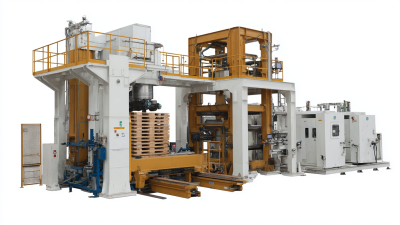
A China top hot melt glue coating lamination machine depends on more than production speed. Its core structure usually includes an unwinding unit, adhesive melting tank, metering pump, coating head, laminating nip, and rewinding section. Each component affects coating stability. The melting tank should provide uniform heating, while separate temperature zones help prevent adhesive degradation. A practical temperature control range is often 80–180°C, depending on adhesive chemistry.

The metering system deserves close attention. A gear pump must maintain steady pressure during speed changes. Slot-die coating can offer accurate adhesive distribution, while roller coating may suit thicker or less demanding layers. Important specifications include coating width, line speed, adhesive consumption, substrate thickness, and coating weight. For many applications, a 300–1,500 mm working width and 10–80 m/min speed range can cover common production needs. Tension control should remain responsive, especially when handling thin films, nonwoven materials, or aluminum-coated substrates.

The laminating nip needs adjustable pressure and reliable temperature control. Uneven pressure can create bubbles, wrinkles, or weak bonding. It happens more often than catalog sheets suggest. Operators should also check pump compatibility with adhesive viscosity, cleaning access, emergency stops, and exhaust arrangements. A precise control system is useful, but it cannot correct poor adhesive selection or unstable material quality. Trial coating remains essential. Measure peel strength, appearance, coating weight, and curing behavior under real production conditions. Some specifications look impressive, yet practical performance may still need improvement.

Major Applications of Hot Melt Glue Lamination Technology

China Top Hot Melt Glue Coating Lamination Machine?

Hot melt glue lamination technology serves several demanding industries. Flexible packaging uses it to bond films, foil, paper, and nonwoven layers. Hygiene products need clean, fast bonding for diapers and medical materials. Textile manufacturers laminate fabrics for waterproof jackets, mattress covers, and protective workwear. Furniture makers also use it for decorative panels and edge materials.

The market is expanding steadily. MarketsandMarkets reported that the global hot melt adhesives market could grow from about USD 11.5 billion in 2023 to USD 14.8 billion by 2028. Grand View Research also identifies packaging as a leading application sector. These figures support continued investment in coating and laminating equipment.

In practical production, heated rollers, accurate glue pumps, and stable web tension matter greatly. Hot melt systems can reduce drying space and solvent-related emissions. However, poor temperature control may create strings, weak bonds, or surface damage. No machine is perfect. Material testing remains essential.

Tips: Test glue weight, coating width, and peel strength before full production. Keep substrates dry and clean. A small tension error can wrinkle a wide film. Review the result after cooling, not immediately. This step is often missed. Reports provide market direction, but each factory still needs trials, maintenance records, and operator training.

How to Evaluate Top Chinese Machine Manufacturers

China Top Hot Melt Glue Coating Lamination Machine?

Evaluating Chinese machine manufacturers requires more than comparing prices. Check their experience with your substrate, adhesive type, coating width, and production speed. A supplier should explain how its machine handles film, foil, paper, or nonwoven materials. Ask for recorded test results, not only polished photographs. Request samples made with your actual adhesive and substrate.

Inspect the engineering details closely. Review temperature control accuracy, coating-gap adjustment, unwinding tension, laminating pressure, and emergency protection. Ask how operators clean the glue path after a production shift. Small design choices affect downtime. Verify electrical components, spare-parts availability, software support, and training terms. Factory quality records, inspection procedures, and relevant certifications also deserve careful review.

See the machine running.

A video call can reveal useful details, but an in-person inspection is stronger. Watch whether the web remains stable at the quoted speed. Check coating uniformity across the full width. Speak with technicians, not only sales staff. Their answers often expose practical experience. A low quotation may hide installation costs or weak after-sales service. No manufacturer is perfect, and buyers can also overlook important requirements. I would document every promised specification in the contract, including acceptance tests and response times. Even then, real production may reveal adjustments that were not expected. That possibility should be discussed honestly before payment.