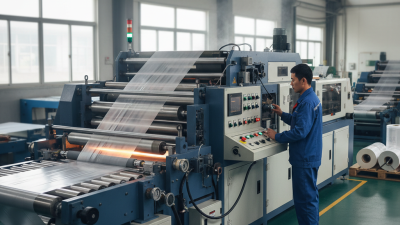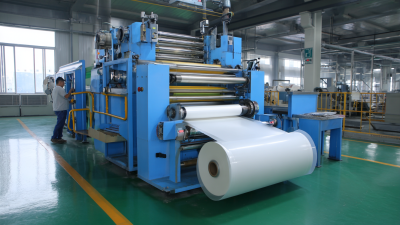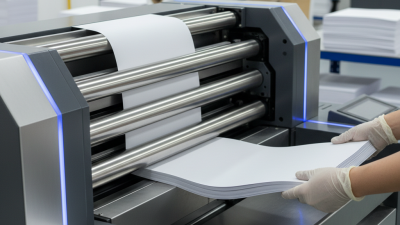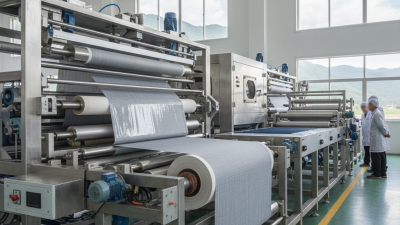
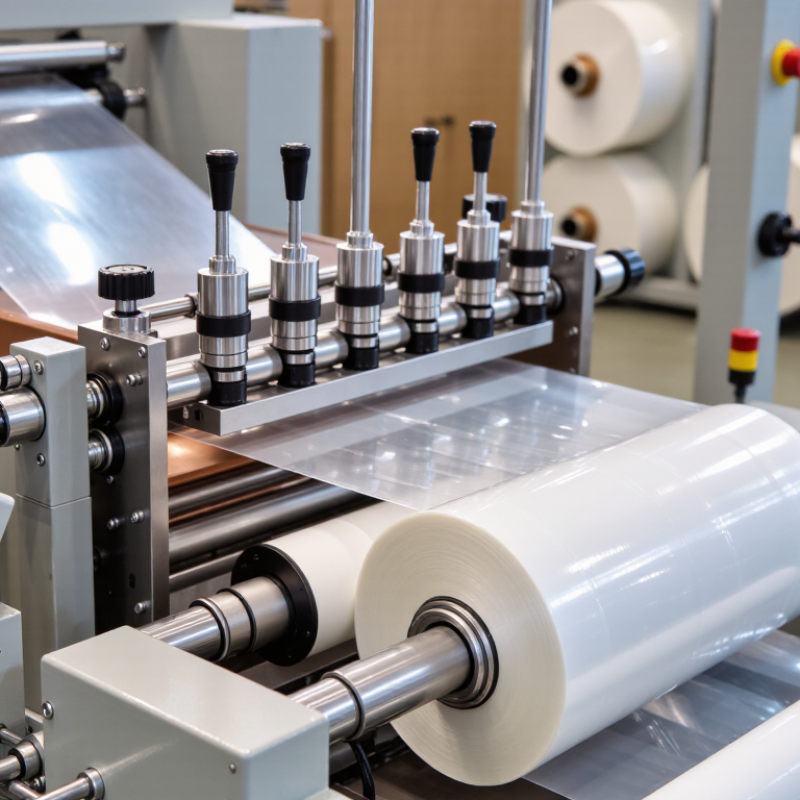
A Coating Lamination Machine applies a controlled coating, bonds material layers, or performs both operations in one converting line. It may process paper, film, foil, or nonwovens. Picture a flexible film unwinding, passing beneath a metered coating head, then meeting a second web at heated rollers. Small changes in tension, temperature, or adhesive flow can affect the finished roll.
The equipment matters because packaging performance depends on more than appearance. A uniform layer can help provide barrier properties, sealability, or surface protection. But the right result depends on the substrate, coating chemistry, line speed, and curing method. A machine specification alone cannot guarantee it.
Industry reports offer useful context. Smithers’ The Future of Global Packaging to 2028 examines ongoing changes in packaging markets and material demand. PMMI’s 2024 State of the Industry report discusses operational pressures facing packaging and processing businesses, including automation and workforce needs. These reports do not prescribe one machine design; actual requirements vary by product and plant.
Dr. Steven Abbott, a coatings-science educator, has published practical guidance on coating formulation and surface interactions. A fair paraphrase of his work is that coating performance depends on the relationship between the liquid, the substrate, and the process. That is not a verified verbatim quotation. It is a useful reminder—and one often missed in equipment comparisons.
This guide explains how a Coating Lamination Machine works, what its main components do, and which process variables deserve close attention. It also leaves room for an inconvenient truth: even well-designed lines need trials, measurement, and adjustment.
A coating lamination machine applies a controlled liquid coating, then bonds one web material to another. The webs may include film, paper, foil, or nonwoven substrates. The machine uses coating heads, drying ovens, nip rollers, tension controls, and inspection systems. Each component affects bond strength and surface quality.
The purpose is practical. Coating can improve barrier protection, sealability, print adhesion, or resistance to moisture. Lamination then combines those properties in one flexible structure. A 2024 Grand View Research assessment estimated the global flexible packaging market at about US$261 billion in 2023. It also forecast a 4.9% annual growth rate through 2030. This growth increases demand for accurate coating and lamination equipment. However, bigger output does not guarantee better results. Excess adhesive, uneven tension, or insufficient drying can create bubbles, wrinkles, and weak bonds. In production, the first trial is rarely perfect. Operators must adjust speed, viscosity, temperature, and nip pressure together.
Tips: Check coating weight across the web, not only at the center. Measure residual solvent before converting. Keep a record of line speed, oven temperature, and adhesive mix ratio. A small temperature change can alter viscosity quickly. Also, allow enough curing time before testing final bond strength. ASTM and ISO test methods can improve reliability, but real factory conditions still require experienced judgment.
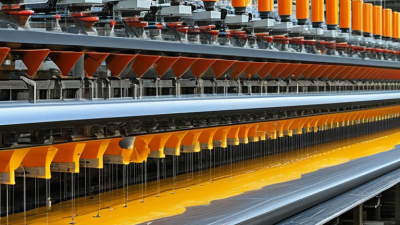
A coating lamination machine applies a controlled layer of adhesive or coating to a web material, dries or cures it, and bonds it to another substrate under pressure. The chart shows representative web-temperature conditions across common process zones. Actual settings depend on the coating chemistry, substrate, line speed, and required bond strength.
What Is a Coating Lamination Machine?
Main Components and Their Functions
A coating lamination machine applies adhesive or coating material to a web substrate. It then bonds that layer to film, paper, foil, or another flexible material. Smithers’ report, The Future of Global Flexible Packaging to 2028, values the global flexible packaging market at about $248.9 billion in 2023. This growth increases demand for stable, efficient converting equipment.
The unwinding unit feeds the substrate at controlled tension. The coating head meters adhesive through a gravure roll, slot die, or similar system. Its gap and pressure influence coating weight. The laminating nip uses heated or pressure-controlled rollers to join layers. The drying oven removes solvents or water before winding. Temperature zones must match the adhesive chemistry. Otherwise, bubbles, weak bonds, or surface marks may appear. The winding unit forms a firm roll without crushing the edges. Sensors and automatic controls monitor tension, speed, temperature, and coating weight. In real production, perfect uniformity is rare. Small changes in humidity can still affect results.
Tips: Check the coating weight across the web, not only at the center. Keep tension records beside each production roll. A clean roller matters more than many operators expect. The PMMI 2023 report on flexible packaging equipment highlights automation and process monitoring as major investment priorities. Yet automation cannot replace practical inspection. Operators should compare sensor readings with peel strength, appearance, and curing results. That comparison often reveals problems earlier.
| Component | Main Function | How It Works | Typical Materials or Variables |
|---|---|---|---|
| Unwind station | Feeds the base web into the machine at a controlled rate. | A shaft or core holder supports the roll, while braking or drive control regulates web tension. | Paper, film, foil, nonwoven; roll diameter, web width, and tension |
| Web-guiding system | Keeps the moving web aligned along the intended path. | Sensors detect lateral movement and signal an actuator to shift a guide roller or unwind frame. | Edge position, web stability, sensor type, and correction range |
| Web-cleaning unit | Removes loose dust and particles that could cause coating defects or poor bonding. | Depending on the material and process, cleaning may use brushes, air knives, or contact-cleaning rollers. | Surface cleanliness, particle size, web speed, and material sensitivity |
| Coating applicator | Applies a liquid adhesive, primer, or functional coating to the web. | Common methods include roll coating, slot-die coating, gravure coating, and knife-over-roll coating. | Coating method, liquid viscosity, wet coat weight, and application width |
| Metering system | Controls the amount and uniformity of coating deposited on the web. | A metering roll, doctor blade, die, or adjustable gap regulates the liquid layer before or during transfer. | Gap or blade setting, roll speed, flow rate, and target coat weight |
| Drying or curing section | Removes solvent or water, or cures a coating before the next processing step. | Heated air, infrared energy, or another suitable curing method supplies controlled energy as the web travels through the section. | Temperature, airflow, dwell time, exhaust, and coating chemistry |
| Lamination nip | Joins the coated web to a second web or substrate. | One or more rollers apply controlled pressure; heat may also be used when the adhesive or process requires it. | Nip pressure, roller temperature, web speed, and layer combination |
| Tension-control system | Maintains suitable tension through unwinding, coating, drying, and winding. | Load cells or dancer rollers provide feedback to braking or drive controls to limit slack, stretching, and wrinkles. | Setpoint tension, web elasticity, roll diameter, and line speed |
| Drive and speed-control system | Coordinates the movement of rollers and establishes production speed. | Motors and controllers synchronize driven sections to reduce web-speed differences through the line. | Line speed, acceleration, synchronization, and motor load |
| Rewind station | Collects the processed laminate into a finished roll. | A driven shaft winds the web while taper tension and alignment settings help produce a stable roll. | Rewind tension, roll hardness, core size, and finished roll diameter |
| Operator controls and safety systems | Allow operators to monitor settings and operate the line safely. | A control interface displays process values, while guards, emergency stops, and interlocks help protect operators. | Temperature, speed, tension, alarms, guarding, and emergency-stop access |
A coating lamination machine applies a controlled liquid layer before joining two or more materials. The coating may be adhesive, protective, heat-sealing, or functional. Common substrates include paper, film, foil, and nonwoven fabric. The machine controls coating thickness, web tension, drying, and bonding pressure. In practical production, these controls determine whether the final laminate feels smooth or uneven.
The process begins when a substrate unwinds at a steady speed. A coating station spreads liquid across its surface using a roller, slot die, or similar system. The coated web then passes through a drying zone. Heat or air removes moisture and solvents, depending on the coating type. Another material enters the nip, where pressure joins both layers. Cooling rollers may stabilize the bond afterward.
The process is not perfectly forgiving. A slight tension change can create wrinkles. Excessive heat may distort thin film. Insufficient drying can weaken adhesion and cause surface defects. Operators usually check coating weight, bond strength, appearance, and roll edges during production. These checks provide reliable evidence, but one inspection cannot reveal every problem.
Tips: Keep the coating liquid consistent. Clean rollers regularly. Confirm drying conditions before increasing line speed. Record defects with their machine settings. Small records often reveal patterns. Do not assume a clear surface means a strong bond. Testing after conditioning can expose failures that appear later.
What Is a Coating Lamination Machine?
Common Materials and Industrial Applications
A coating lamination machine applies a functional layer to a web material or bonds two webs together. Typical substrates include paper, polyester film, polyethylene film, aluminum foil, and nonwoven fabric. Depending on the line, bonding may use a water-based or solvent-free adhesive, heat, or pressure-sensitive coating. The finished roll can gain moisture resistance, improved printability, a smoother surface, or added barrier performance.
Applications range from flexible food packaging and product labels to protective wraps, insulation layers, and disposable hygiene materials. For example, a thin film laminated to paper can help a pouch resist grease, while foil combined with polymer film can improve protection from light and moisture. These results depend on the material combination and the machine settings, not just the coating recipe. Operators monitor web tension, nip pressure, drying conditions, and line speed; a small adjustment can affect wrinkles, adhesion, or coating uniformity. Small changes matter.
In production, the first trial is rarely perfect. That is normal, but the results should be recorded and checked after curing, since an attractive roll may still delaminate later. Testing samples under the intended storage and handling conditions gives a more reliable picture than visual inspection alone.
A coating lamination machine applies adhesive or coating, then bonds flexible webs under controlled heat, pressure, and tension. Selection should begin with the product, not the machine’s maximum speed. Check web width, substrate thickness, coating weight, adhesive chemistry, drying capacity, and required production volume. A line rated at 300 meters per minute may perform poorly with thin film or unstable tension. Real output matters more.
PMMI reported that U.S. packaging machinery shipments exceeded 10 billion dollars in 2023. This scale increases pressure to reduce waste and unplanned stops. Choose closed-loop tension control, accurate metering, accessible rollers, and sensors for temperature and nip pressure. Energy monitoring also deserves attention. Drying systems often become the largest operating burden.
Maintenance must be practical on the factory floor. Inspect doctor blades, pumps, filters, bearings, and rubber rollers at defined intervals. Record coating weight and bond strength, not only machine alarms. The U.S. Department of Energy links predictive maintenance with lower downtime and better maintenance efficiency across industrial operations. However, a sensor cannot replace an experienced operator. We sometimes overtrust dashboards. A simple roller inspection may reveal adhesive buildup before software notices it. Keep spare seals, calibrated gauges, and cleaning procedures nearby. Small omissions become expensive defects.