China Top 10 Fabric Coating Laminating Line Manufacturers Revealed?
The textile industry has seen significant advancements, particularly in fabric coating and laminating technologies. A recent report from Technavio estimates that the global fabric coating market will grow by over $5 billion from 2021 to 2025. This growth highlights the increasing demand for innovative Fabric Coating Laminating Lines that cater to diverse applications. Manufacturers in China are leading this trend, focusing on efficiency and sustainability.
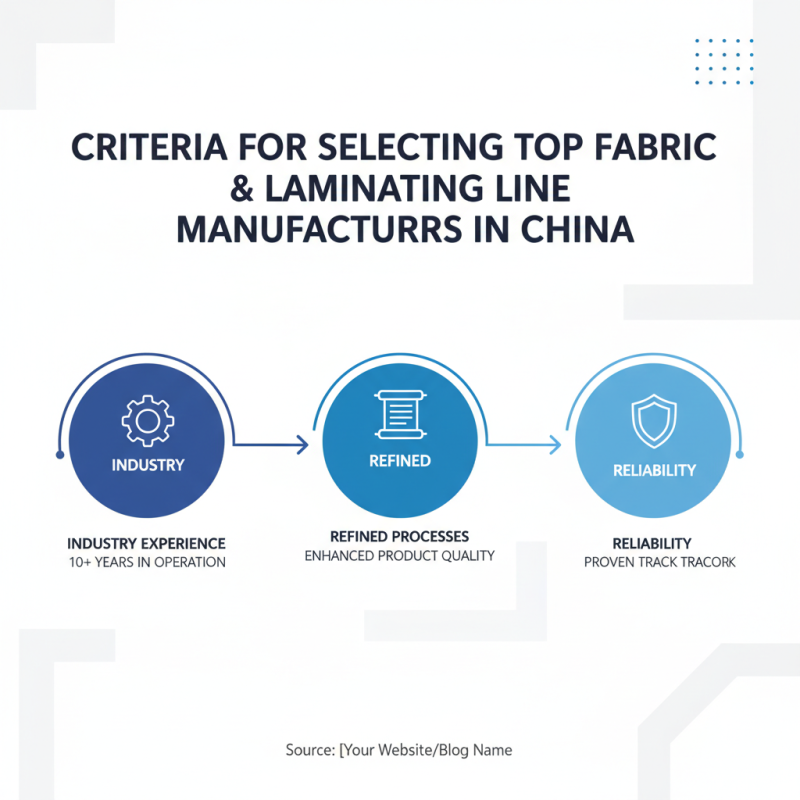
China's top 10 fabric coating laminating line manufacturers play a crucial role in this evolution. They leverage advanced technologies to enhance production speed and reduce waste. However, challenges remain, including quality control and adapting to rapidly changing market needs. Some manufacturers struggle with maintaining consistent product quality, which is essential for customer satisfaction. As the industry evolves, these manufacturers must reflect on their processes to remain competitive.
Understanding the capabilities of these leading firms is vital for businesses seeking reliable partners. Assessing their technology, efficiency, and innovation track records can provide insights into their potential for future growth. As the fabric coating and laminating sector progresses, the contribution of these manufacturers will be pivotal in shaping industry standards and practices.
Overview of Fabric Coating and Laminating Technology
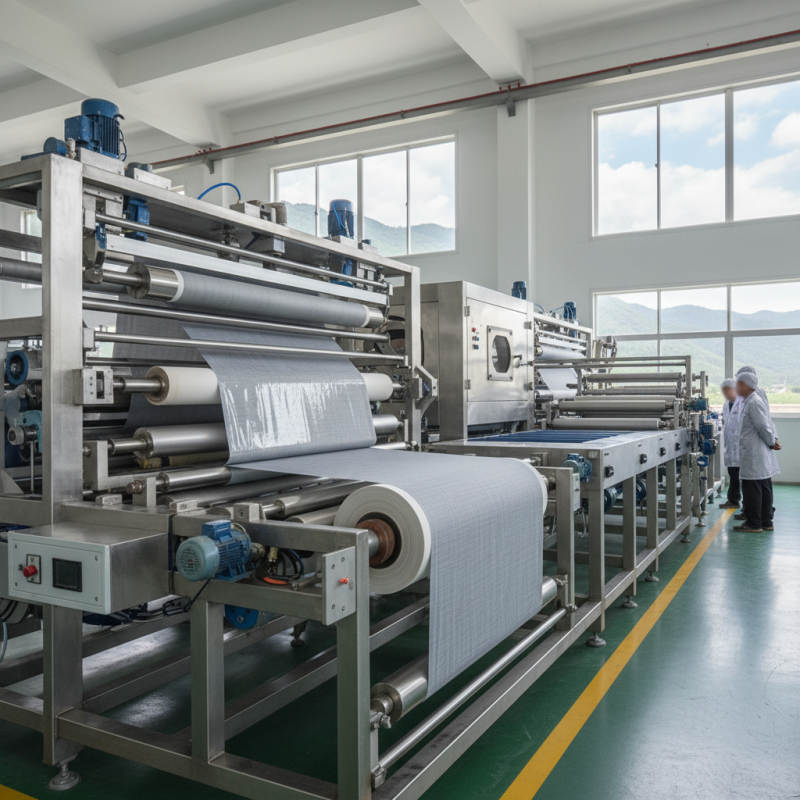
Fabric coating and laminating technology serve as crucial processes in the textile industry. This technology enhances fabric properties, making them more durable, water-resistant, and breathable. Different methods include coating, where a polymer layer is applied, and laminating, which bonds two or more layers of fabric together. Each technique has its unique benefits and applications.
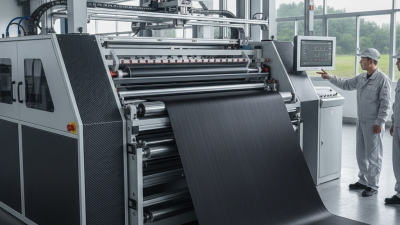
The process of fabric coating involves using specialized machines that apply coatings uniformly. This ensures consistent quality and performance. On the other hand, laminating requires precise control over temperature and pressure. Exploring different substrates can lead to innovative fabric solutions. Manufacturers need to assess the quality of materials used to ensure optimal performance, yet this aspect is sometimes overlooked.
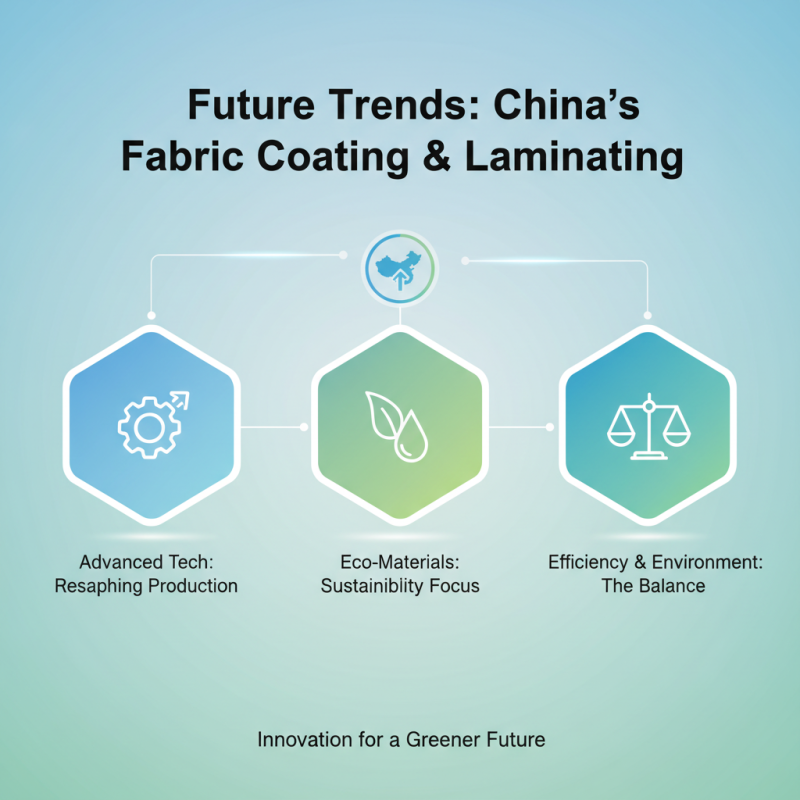
As technology advances, manufacturers face challenges in keeping up with newer methods. Sustainability is a growing concern, pushing for eco-friendly materials and practices. The relationship between production efficiency and environmental impact is complex. Companies need to reflect on their processes to minimize waste. The balance between functionality and sustainability remains delicate but vital for the future of fabric coating and laminating.
Top 10 Fabric Coating Laminating Line Manufacturers in China
The fabric coating laminating industry in China plays a crucial role in various sectors. Many manufacturers here specialize in producing high-quality lamination lines. They cater to the diverse needs of the textile and garment industries. The technology used in these machines is advancing rapidly. Various factors impact their efficiency and reliability.
Manufacturers often focus on automation to enhance production efficiency. However, some lines may struggle with maintaining consistent quality. This inconsistency can lead to significant waste and customer dissatisfaction. Developing robust quality control mechanisms remains a challenge for many firms.
In this competitive landscape, companies must also consider sustainable practices. Environmentally-friendly materials and processes are gaining importance. Balancing cost-effectiveness with eco-friendliness is not easy. Manufacturers must reflect on their impact on the environment and pursue continuous improvement. This approach can potentially lead to better products that meet market demands.
China Top 10 Fabric Coating Laminating Line Manufacturers Revealed
| Rank |
Manufacturer Type |
Production Capacity (units/year) |
Technology Used |
Market Share (%) |
| 1 |
Automatic |
5000 |
Digital Printing |
25 |
| 2 |
Semi-Automatic |
3500 |
Roll-to-Roll |
20 |
| 3 |
Fully Manual |
2000 |
Screen Printing |
15 |
| 4 |
Hybrid |
4500 |
Inkjet Technology |
18 |
| 5 |
Fully Automatic |
6000 |
Digital Transfer |
30 |
| 6 |
Semi-Automatic |
4000 |
Cold Lamination |
14 |
| 7 |
Manual |
1500 |
Heat Transfer |
10 |
| 8 |
Fully Automatic |
5000 |
Fluid Coating |
22 |
| 9 |
Hybrid |
4000 |
Spray Coating |
12 |
| 10 |
Automatic |
3000 |
Pressure Coating |
8 |
Key Features and Innovations from Leading Manufacturers
The fabric coating and laminating industry in China is dynamic. Innovations drive efficiency and quality. Top manufacturers are introducing advanced systems that enhance overall production. Recent data from industry reports show that the market for fabric laminating lines is expected to grow at a CAGR of 5.2% through 2026.
Leading manufacturers focus on automation. They employ smart technology to optimize operations. This allows for reduced labor costs and improved precision. For instance, continuous monitoring systems ensure consistent quality during production. These innovations help manufacturers maintain competitive edges while meeting evolving customer needs.
Sustainability has also become a significant focus. Many companies are exploring eco-friendly materials and processes. This shift aligns with global trends towards greener manufacturing. However, challenges remain in balancing performance and environmental responsibility. Manufacturers must continuously improve while ensuring their methods are sustainable. This dual focus on innovation and sustainability shapes the future landscape of fabric coating and laminating in China.



 Wechat: ANNIELV88