Why Choose a Hot Melt Glue Coating Lamination Machine?
In the evolving world of manufacturing, the choice of equipment can significantly impact productivity and efficiency. As John Smith, a renowned expert in adhesive technology, states, “Hot Melt Glue Coating Lamination Machines are revolutionizing how we think about bonding and layering materials.” This statement exemplifies the growing importance of these machines in various industries.
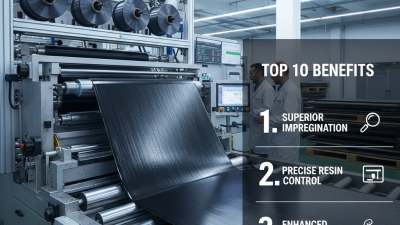
The Hot Melt Glue Coating Lamination Machine combines speed, precision, and quality. It enables manufacturers to achieve seamless lamination with minimal waste. Many companies have embraced this technology, witnessing enhancements in product durability and aesthetic appeal. High-quality adhesive coatings are essential in industries such as packaging and textiles.
Despite advancements, some users express concerns. They mention initial costs and the learning curve associated with this machinery. Transitioning to a Hot Melt Glue Coating Lamination Machine requires careful planning. Exploring its benefits and challenges is crucial in making informed decisions. Overall, the advantages of improved bonding and efficiency often outweigh the drawbacks.
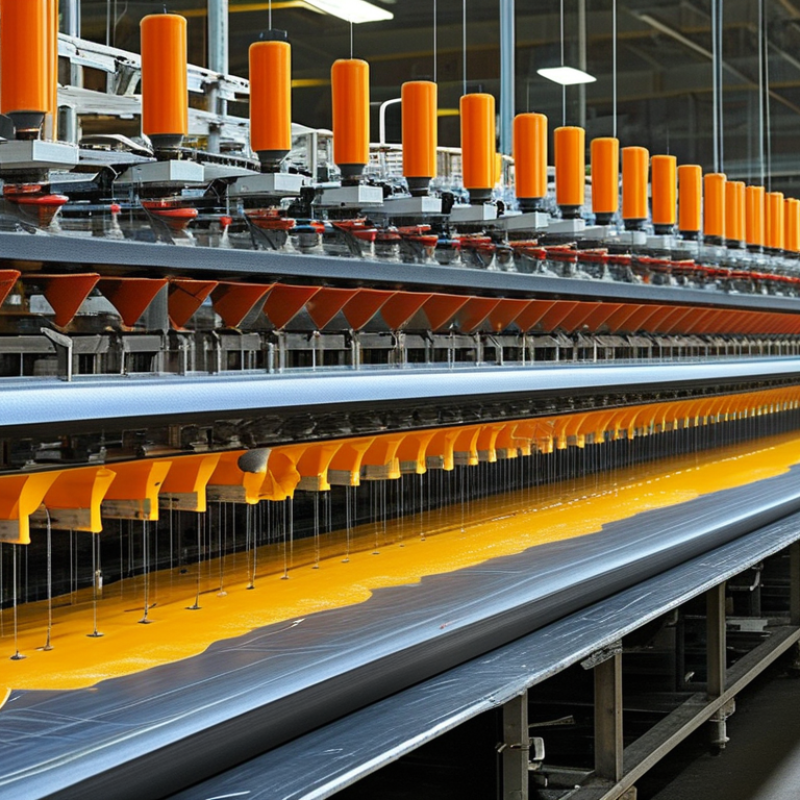
Understanding Hot Melt Glue Coating Technology in Lamination Machines
Hot melt glue coating technology plays a crucial role in lamination machines. This process uses thermoplastic adhesives that melt and bond materials together. These adhesives provide strong, durable laminations suitable for various applications. The heated adhesive is applied to surfaces, then cooled to form a solid bond. This technology is effective for both flexible and rigid materials.
One advantage of hot melt glue is its quick curing time. This allows for faster production cycles. However, it can also be challenging. Operators must maintain the right temperature and viscosity to ensure quality bonding. Variations in temperature can lead to weak adhesion. Training and experience are essential to overcome these issues.
Reliability is another key factor. Hot melt adhesives perform well in diverse environments. Yet, issues like environmental conditions can affect their performance. Understanding how to adapt the process is vital. Experimentation and careful monitoring can lead to improvements. Adopting best practices ensures consistent results.
Advantages of Using Hot Melt Glue Over Traditional Adhesives
Hot melt glue has become a popular choice in lamination processes. It offers unique advantages over traditional adhesives, making it a favorite among manufacturers. One major benefit is its quick setting time. This allows for faster production cycles, which is essential in a competitive market.
Another advantage is its strong bond strength. Hot melt glue adheres well to various substrates, from paper to plastic. This versatility means fewer adhesive types are needed in production lines. Additionally, the absence of solvents in hot melt adhesives contributes to a cleaner environment.
However, it’s important to consider some drawbacks. Hot melt glue can be sensitive to heat. If exposed to high temperatures, the bond may weaken. Manufacturers must stay aware of storage conditions to avoid potential issues. Balancing these factors is crucial for optimal performance in lamination.
Applications and Industries Benefiting from Hot Melt Glue Laminating
Hot melt glue coating lamination machines have become essential in various industries. They provide a strong bond for materials like paper, fabric, and plastics. Recent reports indicate that the global hot melt adhesives market is projected to reach $9.7 billion by 2027, with a compound annual growth rate (CAGR) of 6.5%. This growth demonstrates the increasing reliance on effective bonding solutions in today's market.
Industries such as packaging, automotive, and textiles benefit significantly from hot melt glue laminating technology. In packaging, these machines enhance the performance of cartons and seals. They provide durability and resistance to environmental factors. The automotive sector utilizes hot melt adhesives for interior applications, ensuring parts remain securely in place under various conditions. In textiles, the process allows for the seamless joining of multiple materials, improving product functionality and appearance.
Despite their advantages, there are challenges to consider. The initial investment in hot melt glue machines can be high. Additionally, training staff to operate these machines efficiently is crucial. Inadequate training can lead to waste and production errors. Evaluating these factors is essential for companies looking to optimize their processes in a competitive landscape.
Key Features to Look for in a Hot Melt Glue Coating Machine
When selecting a hot melt glue coating lamination machine, it’s essential to consider key features that maximize efficiency and performance. One critical aspect is the machine's temperature control system. Machines with precise temperature settings can prevent glue degradation, ensuring adhesion strength remains consistent. According to recent industry reports, a stable temperature during application can enhance bonding quality by up to 30%.
Another vital feature is the application speed of the machine. High-speed lamination processes significantly increase productivity in manufacturing settings. Research shows that machines capable of operating at speeds exceeding 100 feet per minute can improve output by nearly 20%. However, achieving this speed may require robust maintenance and fine-tuning to avoid glitches during operation.
Additionally, versatility is necessary for a hot melt glue coating machine. The ability to work with various material types can significantly impact production capacity. Machines that support different substrate materials—like paper, plastics, and textiles—are increasingly in demand. Yet, operators must remain vigilant about the machine's adaptability to new materials, as mismatching can lead to poor lamination quality. The industry calls for continual evaluation and training for users, highlighting a gap in practical knowledge that needs to be addressed.
Maintenance and Operating Tips for Hot Melt Glue Lamination Machines
Hot melt glue lamination machines are efficient but require proper maintenance. Regular cleaning is essential. Dust and residue can build up in the system, affecting performance. Operators should inspect the machine daily, checking for any visible wear and tear. Small issues can escalate quickly if left unchecked.
Routine maintenance checks should include inspecting glue apply nozzles. Clogged nozzles can lead to uneven application. Replace any worn parts as needed. Operators should also ensure that the machine operates within the recommended temperature range. Too high or too low temperatures can damage materials and affect quality.
Training is vital for operators. They should understand the equipment’s settings and how to adjust them. It’s common for new users to overlook small adjustments. Encourage them to document any issues. This record can serve as a reference for identifying patterns or repetitive problems. Mistakes in operation can lead to significant material waste. Regular feedback from operators can help improve overall efficiency.




 Wechat: ANNIELV88