
Leave Your Message

What Is a Swing Arm Cutting Press Used For?

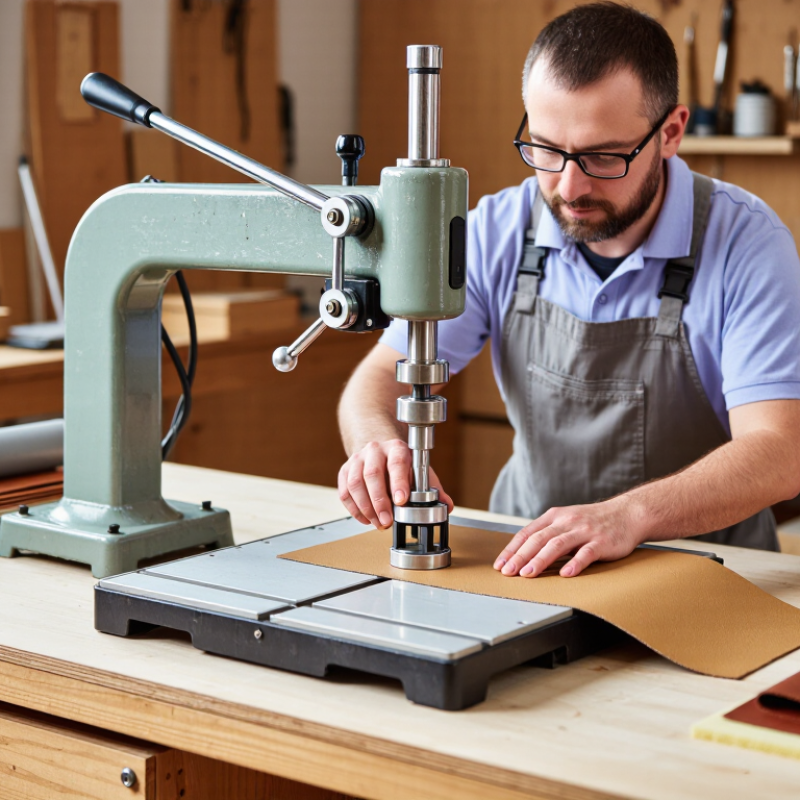
A Swing Arm Cutting Press is built for controlled, repeatable cutting of sheet materials. Its pivoting arm moves a cutting head over a worktable, where a shaped die presses through leather, rubber, foam, textiles, or similar stock. Picture a small workshop: an operator positions a pattern, checks the material, then brings the arm down with steady pressure. The machine’s compact footprint can suit short production runs and varied jobs. It is not a universal solution.

The result depends on more than press capacity. Die condition, material thickness, cutting-board wear, and careful positioning all affect the finished edge. A worn board can make cuts uneven. Small setup errors matter. Taiichi Ohno’s manufacturing principle is relevant: “Where there is no standard, there can be no kaizen.” Applied here, consistent setup and inspection help operators spot problems before they become recurring defects. This is a practical connection, not a claim that Ohno discussed swing arm presses specifically.

This guide explains what the machine is used for, how its cutting action works, and which materials and tasks it can handle. It also considers its limits, including the time needed to reposition the arm across larger workpieces. In real shops, the “best” press is not always the largest one. Operators should match its capacity and working area to their dies, materials, and daily workload. That choice deserves a second look.

What Is a Swing Arm Cutting Press Used For?

What a Swing Arm Cutting Press Is

A swing arm cutting press is a machine that presses a shaped cutting die through sheet material. Its cutting head pivots across the work area, so an operator can position it over different parts of the cutting bed. The die determines the shape; the press supplies the force. This setup is common for cutting leather, foam, rubber, and layered textiles. That matters.

The swing arm design is useful when workpieces or dies vary in size and need frequent repositioning. It can suit small production runs, sample work, and jobs where a fixed cutting head would limit access. Operators still need to match press capacity, die dimensions, and material thickness. Not every job fits. Thick or dense stock may need different equipment, and uneven placement can lead to incomplete cuts or wasted material. The machine seems straightforward, but careful setup is easy to underestimate.

Tips

Keep the material flat and clear of folds before cutting. Check that the die sits squarely, then make a test cut on scrap material. Keep hands away from the cutting area during operation, and follow the machine’s operating instructions. If cut quality varies, pause and inspect alignment, pressure, and die condition rather than assuming more force will fix it.

How the Swing Arm Cutting Press Works

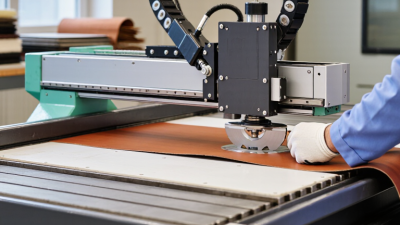
A swing arm cutting press uses a pivoting head to drive a shaped cutting die through sheet material. The operator places the material on the bed, sets the die on the desired outline, then swings the arm over the cutting area. In many machines, a hydraulic system lowers the head and supplies the force. The exact controls and adjustment method vary by model.

Pressure passes from the head through the die, cutting materials such as leather, rubber, foam, or layered fabric. The operator may shift the arm between cuts, which makes the press useful for small parts and changing layouts. A firm, level bed helps produce cleaner edges. Small details matter. A slightly crooked die can leave a ragged corner or waste a usable section.

Operators adjust the cutting height or pressure to suit the material and die, following the machine’s instructions. Too little force may leave fibers attached; too much can damage the bed or distort soft stock. Keep hands clear while the head is moving, and use the machine’s specified safety controls. Alignment can look simple, but repeatable placement takes practice. That part is easy to underestimate.

Key Components and Their Functions

A swing arm cutting press uses a pivoting head to press a die through sheet material. Its frame supports the load and keeps the work area stable. The swing arm carries the cutting head across the bed, so operators can position it over different parts of a hide, foam sheet, gasket stock, or textile. The ram supplies downward force, while the platen spreads that force across the die. A cutting board beneath the material protects the bed and helps produce clean cuts. Small setup errors still matter.

Controls regulate the stroke and operating cycle; guarding and emergency stops help reduce exposure to moving parts. OSHA’s machine-guarding standard, 29 CFR 1910.212, requires protection from hazards such as points of operation and rotating parts. It does not prescribe one universal guard design, so the machine’s layout and work method need assessment. Grand View Research estimated the global die-cutting machines market at USD 1.8 billion in 2022, with projected growth through 2030. That market figure covers a broad equipment category, not swing arm presses alone.

Tips: Check that the die sits flat and the cutting board is not deeply grooved. Keep hands clear during the stroke, and follow the press manufacturer’s operating procedure. Recheck pressure after changing material thickness; a setting that works on foam may crush thin sheet stock.

Materials and Industries Served

A swing arm cutting press uses a shaped steel-rule die to cut flat materials with controlled pressure. It commonly processes leather, synthetic leather, woven textiles, rubber sheet, cork, and foam such as EVA. These materials appear in shoe uppers and insoles, bag panels, upholstery, sports equipment, and industrial gaskets. The machine’s rotating arm lets operators position smaller dies accurately, though thick or layered stock may need a different press capacity.

Footwear is a major application. The World Footwear Yearbook 2024 reports global production of about 22.4 billion pairs in 2023. That scale helps explain the demand for repeatable cutting of shoe components. Smaller workshops also use swing-arm presses for short runs and varied shapes. In automotive interiors and furniture, they can cut fabric, foam, and trim materials. Results depend on die sharpness, material stretch, and how evenly each sheet is placed. A clean edge is not guaranteed.

Tips: Test the actual material stack before setting up a full run. Check cut edges for pulled threads, compressed foam, or incomplete cuts. Keep a sample from each material batch; small changes in thickness can affect the result.

What Is a Swing Arm Cutting Press Used For? - Materials and Industries Served

Industry Common Materials Typical Cut Parts Why a Swing Arm Press Is Used
Footwear and leather goods Leather, synthetic leather, textile laminates Shoe uppers, straps, linings, wallets, small bag components The cutting head can be positioned over a die on sheet material, making it practical for varied shapes and short production runs.
Apparel and textile products Woven and knitted fabrics, felt, nonwoven textiles Fabric panels, patches, garment components, accessories Die cutting produces repeatable outlines; the operator can reposition material or dies between cuts.
Foam converting and upholstery Flexible polyurethane foam, EVA foam, felt, laminated foam Padding, inserts, cushions, insulation pieces It is suited to cutting defined shapes from sheet or slab materials when the press capacity and cutting tooling match the material.
Gasket and sealing products Rubber sheet, cork, fiber sheet, soft gasket materials Washers, seals, gasket profiles, shaped pads A matched cutting die can make consistent profiles from sheet stock, especially for prototypes and small-to-medium batches.
Packaging and paper products Paperboard, corrugated board, card, thin flexible plastics Labels, inserts, sample shapes, small packaging components It can provide controlled die cutting for flat materials where the workpiece and die fit within the press area.
Automotive and equipment interiors Carpet, felt, foam, rubber sheet, trim laminates Interior trim pieces, acoustic pads, protective covers It is useful for cutting individual components and trial parts; production suitability depends on material thickness, required force, and output volume.
Craft, sporting goods, and general manufacturing Leather, fabric, rubber, cork, foam, thin composite laminates Craft blanks, grips, protective pads, small component shapes The swing-away head provides access to the cutting bed and allows the operator to position dies for different jobs.

Application note: A swing arm cutting press is generally used with a cutting die to cut flat sheet or layered materials. The suitable material, maximum thickness, and production rate depend on the press's cutting force, bed size, die design, and material properties.

Safety and Operating Considerations

A swing arm cutting press brings a die down onto sheet material, foam, leather, or similar stock. The operator must keep hands away from the cutting zone, especially while positioning small pieces. Hands stay clear. Before a shift, check the guard, emergency stop, and control response; machine designs vary, so follow the specific operating manual. OSHA’s machine-guarding guidance estimates about 18,000 workplace amputations, lacerations, crushing injuries, and abrasions each year from machine-related hazards. That figure covers machinery broadly, not swing-arm presses alone. It still shows why routine checks matter.

Set the material flat on a sound cutting board, then confirm the die is seated and the arm’s travel path is unobstructed. Use the press’s intended control method, whether it has guarded controls, two-hand operation, or another setup. Never bypass an interlock or reach beneath the arm during a cycle. Stop and isolate power before clearing a jam, changing a die, or making adjustments, following the manufacturer’s procedure. It is an easy step to rush. Keep loose clothing, jewelry, and long hair away from moving parts, and wear eye protection when the task’s risk assessment calls for it. A clean floor helps prevent slips, but it does not replace guarding. Source: OSHA, “Machine Guarding.”