2026 How to Choose the Best Swing Arm Cutting Press?
Selecting the right Swing Arm Cutting Press is crucial for efficiency in manufacturing. According to industry reports, around 70% of production delays stem from inadequate machinery. This highlights the importance of choosing a reliable cutting press that meets specific operational needs.
A Swing Arm Cutting Press offers versatility. It can handle a variety of materials, making it suitable for multiple industries. For instance, textile manufacturers frequently rely on these presses for precise cuts. However, many users encounter challenges when selecting a model that aligns with their production goals. Compatibility and ease of use are significant factors that should not be overlooked.
When evaluating options, consider the machine's specifications, such as force, operational speed, and size. Understanding your workflow can guide you in finding a model that not only fits your shop’s needs but also enhances productivity. Balance between quality and cost is essential, as investing in a premium Swing Arm Cutting Press can yield long-term benefits. However, it is critical to reflect on your unique requirements and existing limitations before making a decision.
Understanding Swing Arm Cutting Presses: An Overview
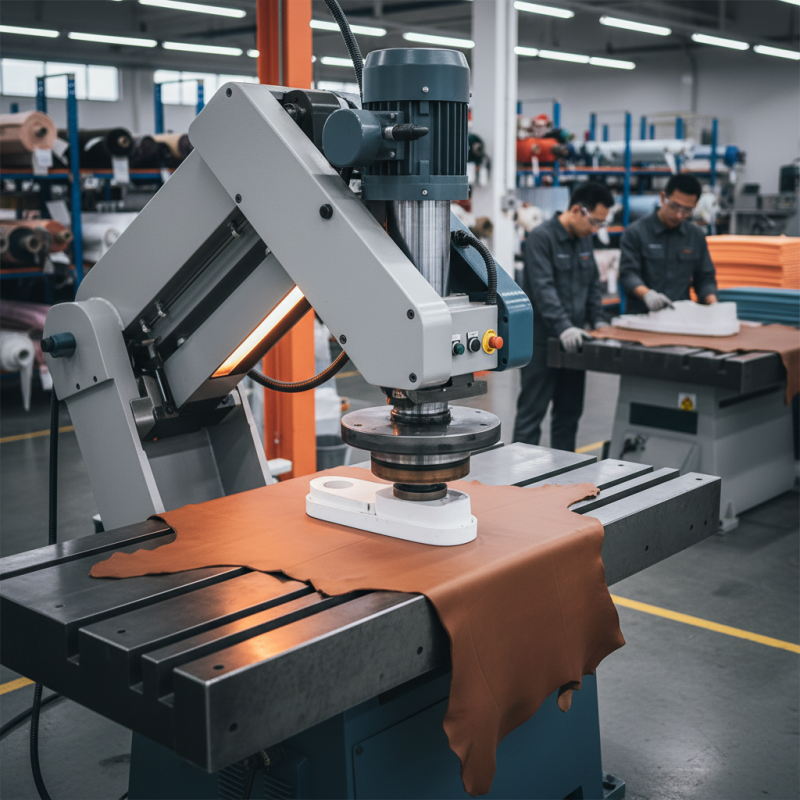
Swing arm cutting presses are vital tools in various industries. They are designed for precision cutting, often used in fabric, leather, and other materials. Understanding how these machines work is key to choosing the right one. These presses feature a pivoting arm that moves the cutting tool down onto the material. This design enables accurate cuts with minimal effort.
When selecting a swing arm cutting press, consider the weight and size of the materials you will be working with. Different models support varying capacities, impacting performance. The cutting force is another crucial aspect. It determines how easily the press can handle thicker or tougher materials. Look for adjustable settings that can accommodate diverse projects.
Users often report challenges with the setup and calibration of these machines. It’s vital to allow time for training and practice. Regular maintenance is also necessary to uphold cutting accuracy. Pay attention to the user manual, but be prepared to troubleshoot. Understanding these complexities can enhance your experience significantly.
2026 How to Choose the Best Swing Arm Cutting Press?
| Dimension |
Value |
Importance |
| Cutting Area |
24" x 36" |
High |
| Max Cutting Thickness |
1/2" |
High |
| Motor Power |
1.5 HP |
Medium |
| Weight |
300 lbs |
Medium |
| Power Supply |
220V, 60Hz |
High |
| Cycle Time |
2 seconds |
Medium |
| User Interface |
Digital Touchscreen |
High |
| Safety Features |
Emergency Stop |
High |
Key Features to Consider When Choosing a Cutting Press
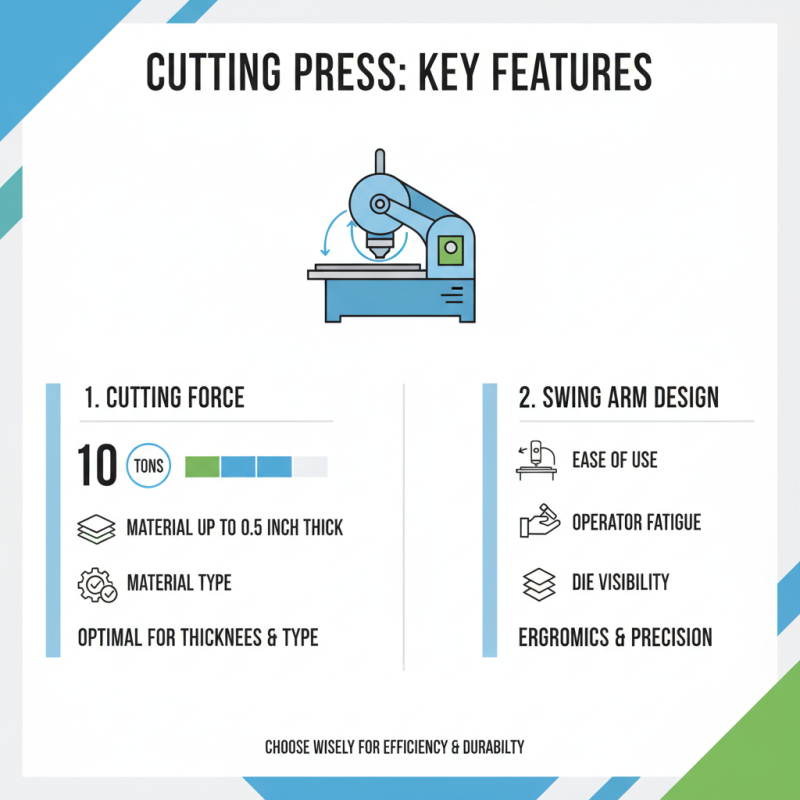
When selecting a swing arm cutting press, several key features warrant attention. Primarily, the cutting force capacity plays a critical role. According to industry studies, the optimal cutting force should cater to the material's thickness and type. Typically, a cutting force of 10 tons can handle materials up to 0.5 inches thick. Understanding your specific requirements is essential for effectiveness.
Another vital aspect is the workspace size. A spacious work area enhances productivity and allows for larger materials. Industry professionals suggest a minimum working area of 24 inches by 36 inches for most applications. This dimension provides flexibility for various cutting tasks. Additionally, the ease of operation matters. A user-friendly interface and adjustable height can significantly reduce worker fatigue.
Durability is also a significant factor to evaluate—presses need to withstand rigorous daily use. Recent reports highlight that investing in high-quality construction material can lead to performance consistency and longevity. However, it’s crucial to balance cost and reliability. Not all investments yield the expected performance. Thus, it’s advisable to conduct thorough research and seek professional opinions before purchasing.
Assessing the Right Size and Capacity for Your Needs
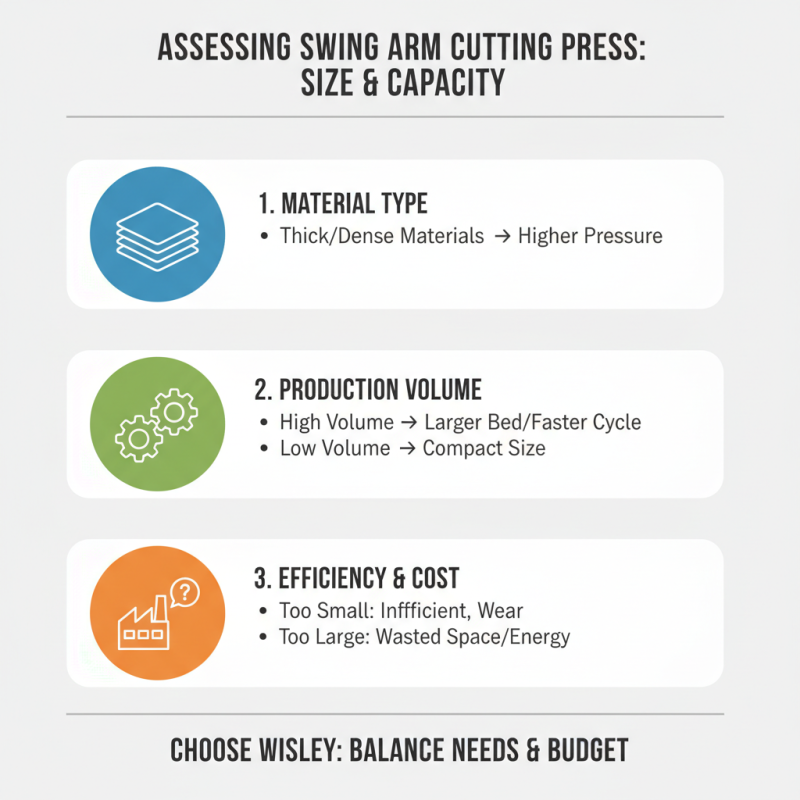
Choosing the right size and capacity for a swing arm cutting press is essential. It's not just about the price but also how well it meets your specific needs. Consider what materials you'll be cutting. Different materials may require different pressures. A press that’s too small may struggle with thicker materials. Conversely, an oversized press can lead to inefficient operations.
Evaluate your workspace too. The size of your work area can limit your equipment choices. If space is tight, a more compact model may be necessary. However, cramming a large press into a small area can be counterproductive. It could hinder workflow and lead to safety issues. Additionally, always consider the maximum workload you anticipate. Underestimating your capacity may slow you down in peak times.
Take time to research and consult experts who understand your industry. Their insights can guide you toward the best options. Sometimes, users cut corners by choosing equipment solely based on immediate budget constraints. This can lead to regrettable decisions later on. Reflect on your long-term goals to ensure your choice aligns with your business growth. Prioritizing size and capacity can ultimately enhance efficiency and productivity.
Evaluating Material Compatibility in Cutting Presses
Choosing the right swing arm cutting press involves multiple factors, with material compatibility being crucial. Each material has unique properties that can affect the cutting process. For instance, softer materials like foam require different settings than harder materials such as plastics. Understanding these distinctions is essential to avoid waste and ensure efficiency.
Compatibility is not merely about the material itself but also about thickness and density. A cutting press that works well for thin materials may struggle with thicker counterparts. Testing different combinations can lead to unforeseen challenges. It's not uncommon for users to encounter issues like uneven cuts or excessive wear on the blades, highlighting the necessity for careful evaluation of each material's characteristics.
In addition, different environmental conditions can influence cutting performance. Humidity and temperature can alter material behavior. A press that performs well in one environment may not deliver the same results elsewhere. Ongoing assessments can help identify these inconsistencies. Regular checks and adjustments may be required to maintain optimal performance. Such reflections are vital for consistent, reliable outcomes in your cutting processes.
Comparing Brands and Models: Making an Informed Choice
When considering a swing arm cutting press, evaluating various brands and models is crucial. Not all machines are created equal. Performance can vary based on design, materials, and technology. Some models may excel in speed but compromise on accuracy. Others might offer better durability but lack user-friendly features.
Researching specifications can be overwhelming. Focus on key aspects like cutting capacity, ease of maintenance, and safety features. Look for user reviews and expert opinions. Real-world experiences can reveal strengths and weaknesses not mentioned in product descriptions. Discrepancies between expectations and reality can lead to frustration.
Keep in mind that current technology trends evolve. Some innovations may enhance performance but also complicate usability. It's essential to weigh the benefits against the potential learning curve. A model that seems perfect on paper may not fit your workflow. Use caution and reflect on your specific needs before making a choice.
Comparison of Swing Arm Cutting Press Features




 Wechat: ANNIELV88