Choosing a Travel Head Cutting Machine is less about finding the biggest model and more about matching its working range to your daily materials. These machines move a cutting head across a work area, applying force through a die. They are used for tasks such as cutting leather, fabric, foam, and gasket stock. The right choice depends on material thickness, die size, required cutting force, and how often operators repeat each job. Small details matter. A die that nearly fills the table can limit positioning options. A machine with too little force may leave incomplete cuts, while excess capacity can raise purchase and operating costs without improving the work.
Begin with real production samples, not only a specification sheet. Ask suppliers to test your thickest and most difficult material, then inspect the cut edges and consistency. That matters. Check the usable cutting area, head travel, safety features, controls, service access, and availability of replacement parts. If several operators will use the machine, controls should be clear and routine adjustments straightforward. Request details about installation, training, and maintenance intervals. A short demonstration is useful, but it cannot reproduce every shift or material variation. I would not treat any checklist as perfect; factory layouts and operator habits often reveal needs that buyers miss at first. Compare quotations against those needs, and record what remains uncertain. With that evidence, you can judge whether a Travel Head Cutting Machine fits your workload, budget, and production space—not just the sales brochure.
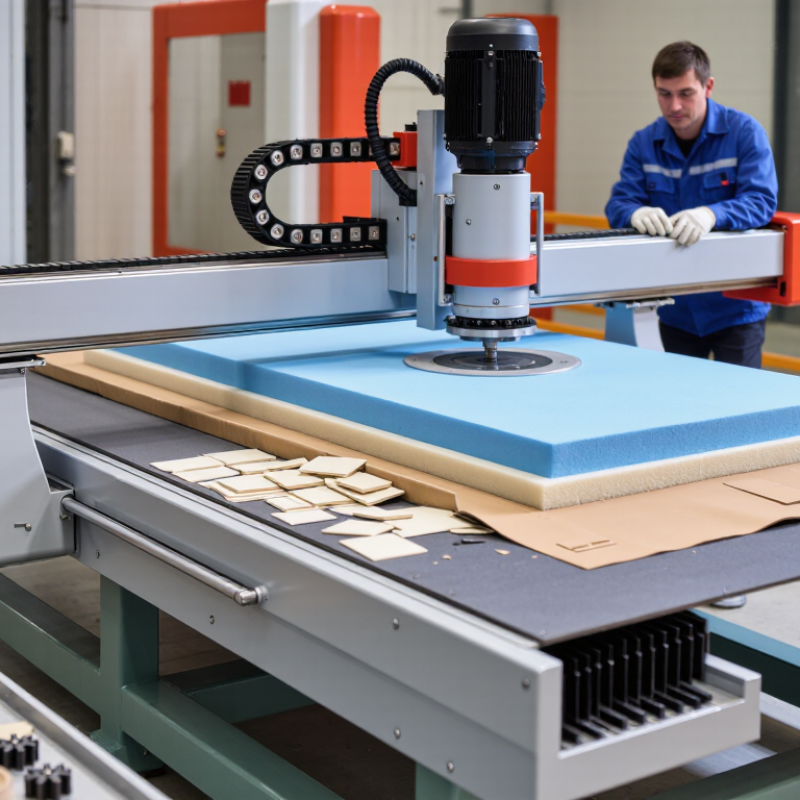
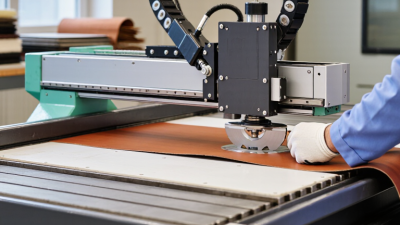
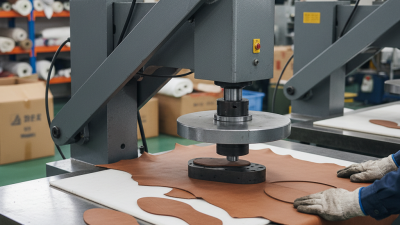
A travel head cutting machine is a press that moves its cutting head across a worktable. The operator places a shaped die over sheet material, such as leather, foam, fabric, or gasket stock. The head travels above the die and applies pressure, cutting the material into a repeatable shape. In a small workshop, you might see an operator repositioning a leather panel, checking the die, then bringing the head down for a clean cut.
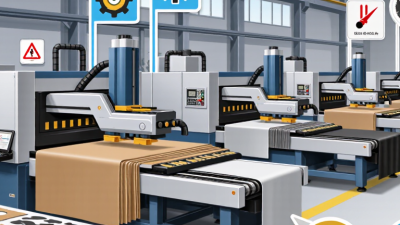
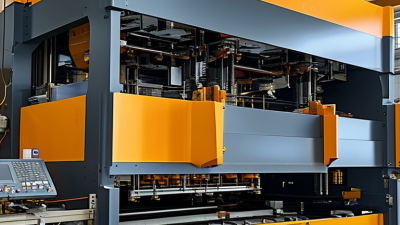
The machine’s main parts are the frame, moving head, worktable, controls, and cutting die. Its travel range determines how much of the table the head can reach without moving the material. That matters. A narrow range may require extra repositioning, while a larger one can help with broad layouts. Cutting results also depend on material thickness, die condition, pressure settings, and careful placement. Even a capable machine can produce uneven edges if the die is worn or the material shifts.
In real use, speed is only part of the picture. Operators need clear visibility, accessible controls, and enough room to handle materials safely. Maintenance can feel easy to overlook, especially during busy production days. I would check how smoothly the head moves and whether the machine suits the actual materials and cutting patterns—not just the largest job imagined.
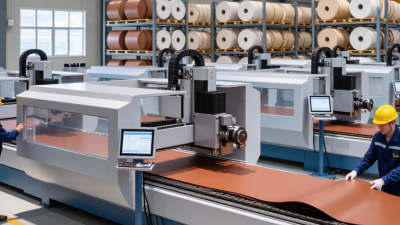
A travel head cutting machine should match the materials and jobs you actually run, not just the largest force rating on its specification sheet. List each material by type, thickness, hardness, and surface finish. A machine that cuts thin woven fabric cleanly may struggle with dense foam, rubber sheet, or layered synthetic leather. The Textile Exchange Materials Market Report 2024 estimates global fiber production reached 124 million tonnes in 2023, up from 116 million tonnes in 2022. That expanding mix of fibers makes material-specific testing important.
Check the usable cutting area, head travel, pressure control, and die size against your largest recurring parts. For soft, compressible stock, inspect whether the press can cut through without crushing the edges. For tougher or laminated sheets, test for incomplete cuts, fraying, and adhesive buildup. Ask the supplier to run your own sample material and die; a demonstration on an easier substitute proves little. Record the material batch, thickness, and cut quality. Results can vary, even when two rolls look identical.
Tips: Bring offcuts from real production. Test the thinnest and thickest stock, then inspect both faces and the edge. Test scraps first. If parts require frequent repositioning, include setup time in the trial; it is easy to overlook.
| Material or Material Group | Typical Cutting Tasks | What to Check in the Machine | Selection Considerations |
|---|---|---|---|
| Leather and synthetic leather | Cutting shoe, bag, upholstery, and small accessory components with steel-rule dies. | Available cutting force, cutting-head coverage, bed size, and adjustment for different material thicknesses. | Natural leather can vary in thickness and firmness. Confirm that the head can cover the die evenly and that the cutting bed supports the intended work area. |
| Textiles and nonwovens | Cutting garment pieces, fabric components, felt parts, and layered textile shapes. | Cutting pressure control, usable cutting area, and suitability for single-layer or layered work. | Soft or stretchy fabrics may shift or compress. Test the actual fabric stack and die to check edge quality and layer consistency. |
| Foam and sponge | Die-cutting gaskets, cushioning pieces, packaging inserts, and shaped foam components. | Head force and stroke, material thickness capacity, and a bed or cutting board suited to the foam. | Foam density and thickness affect the force required and the result. Verify that the machine can cut the specified stack without excessive compression. |
| Rubber and gasket sheet | Producing washers, seals, gasket profiles, and other flat components with cutting dies. | Cutting force, head stability, die dimensions, and compatibility with the material’s hardness and thickness. | Rubber compounds vary considerably. Ask for a trial using the exact material and thickness, particularly for dense or reinforced sheets. |
| Paper, card, and thin board | Cutting labels, craft shapes, packaging parts, and samples from sheet materials. | Pressure adjustment, positioning accuracy, worktable size, and repeatability for the intended production volume. | For stacked sheets, confirm the maximum practical stack height and check that all layers cut cleanly without unwanted deformation. |
| Composite and laminated sheet materials | Cutting flat components made from bonded layers, coated fabrics, or flexible laminates. | Available force, cutting-head coverage, and the ability to process the material without separating or damaging layers. | Adhesives, reinforcement, and layer construction can change cutting behavior. Test the complete laminate rather than judging from one layer alone. |
| Thick, dense, or reinforced stock | Cutting heavier-duty parts where ordinary sheet materials require greater force or a larger die. | Rated cutting force, maximum working thickness, head travel, and the manufacturer’s stated material limits. | Do not select by material name alone. Confirm the exact thickness, hardness, reinforcement, die size, and required production rate with a cutting trial. |
| Fine-detail or small-batch work | Making prototypes, sample sets, short runs, and multiple shapes using interchangeable dies. | Ease of head positioning, visibility of the cutting area, die-change process, and operator controls. | A traveling head can serve multiple locations on a larger worktable. Check positioning workflow and ensure the required die fits within the usable cutting area. |
Selection note: A travel-head machine cuts by pressing a die into the material. Required capacity depends on the material’s composition, thickness, hardness, stack height, and die size. Confirm these details with the machine supplier and, where possible, test a representative sample before purchase.
How to Choose a Travel Head Cutting Machine?
Evaluate cutting capacity using the materials and dies you expect to use, not a catalogue’s maximum figure alone. Note each material’s thickness, density, and compressibility. A soft foam stack may behave differently from layered fabric, even at the same height. Measure the real stack. Then check that the machine’s cutting force and stroke suit the thickest routine job, with some allowance for variation.
Test a sample. Place your largest die and a representative stack beneath the cutting head, then check whether the cut reaches every layer cleanly. Ask how the stated capacity was measured; figures can depend on material and setup. That detail matters. A machine that barely handles an ideal sample may struggle during daily production. Keep a record of test results, including stack height and cut quality, so comparisons are more reliable.
Machine size involves more than its footprint. Confirm the usable cutting area, head travel, and room needed to load material and remove finished pieces. Measure doorways, aisles, and nearby worktables before choosing a model. In a crowded workshop, a larger bed can slow handling rather than improve output. It is easy to focus on the cutting area and overlook operator access. That trade-off deserves a second look.
Compare the usable cutting-bed area with the size of your material and typical parts. The chart shows calculated areas for three example bed dimensions; these are planning examples, not specifications for particular machines.
Area is calculated as bed width × bed length: 400 × 600 mm = 0.24 m², 600 × 900 mm = 0.54 m², and 800 × 1,200 mm = 0.96 m². When selecting a machine, also check maximum cutting force, material thickness, usable stroke, and the machine’s overall footprint against your available floor space.
Choose a travel head cutting machine by watching its full stroke, not just its advertised speed. The head should move smoothly across the table, with clearance for the largest planned sheet and no awkward reach near the blade. Small details matter. Look for a transparent guard, monitored access interlocks, and reachable emergency stops. ISO 12100:2010, the machinery safety risk-assessment standard, prioritizes reducing hazards through design before relying on warnings or work procedures. Ask to review the risk assessment and test stop functions during machine acceptance.
Controls should make status and faults easy to read from the operator’s normal position. A clear touchscreen, labeled manual controls, and adjustable speed settings can help during setup and material changes. Check whether the machine records settings and faults; this makes repeated jobs easier to investigate. The U.S. Bureau of Labor Statistics reported 2.6 million nonfatal workplace injuries and illnesses in private industry in 2023. That broad figure is not specific to cutting machines, but it reinforces why safe access and clear controls deserve attention. During a trial, watch an operator load material, pause the cut, and clear a simulated fault. A fast machine can still feel awkward, and I would not assume the first layout is the best one.
Compare suppliers using the same material, die, and cutting area; a showroom demonstration alone is not enough. Ask each supplier to cut your actual samples at the intended pressure and speed. Record cycle time, cut-edge quality, pressure stability, and material waste. Repeat the test across several cycles, then inspect whether results stay consistent. Request calibration records, electrical and hydraulic specifications, safety documentation, operator training details, and lead times for commonly replaced parts. The International Federation of Robotics reported 4.28 million industrial robots operating worldwide in 2023. That figure reflects broader factory automation, not cutting-machine quality, so verify each machine with your own production test.
Tips: Ask for an acceptance test using your material and tooling. Measure cut accuracy at several points, not just the easiest edge. Get the test conditions and results in writing, including the measurement method. A polished demo can still hide setup differences. I would also set a clear tolerance before comparing quotes; without one, “precise” is hard to judge.
Check how suppliers handle problems after installation. Ask for a sample maintenance schedule, response times, and examples of troubleshooting support. Confirm that the quoted machine configuration matches the tested model, including platen size and control settings. If a supplier cannot explain how performance was measured, treat its claims cautiously. I might still miss a production-specific issue, so include your operators in the final trial.