
Leave Your Message
Choosing a Pu Coating Laminating Machine starts with the material, not the brochure. Fabric, film, and synthetic leather can respond differently to heat, pressure, and tension. A setup that handles a lightweight lining may struggle with a thick, textured roll. Small differences matter.
Before comparing models, define the products you actually plan to make. Record the substrate width, coating or adhesive type, target production speed, and acceptable finish. Ask how evenly the machine controls temperature and pressure across the working width. These details affect bonding strength, surface appearance, and waste. A shiny sample is not enough; inspect the reverse side and test the laminate after cooling.
Look closely at web guiding, tension adjustment, heating zones, and cleaning access. Operators should be able to make routine changes without guesswork. Ask the supplier to run your own materials, then review the result under realistic conditions. A brief demonstration can miss startup defects or performance changes during longer runs. It happens.
The right choice also depends on floor space, available power, operator experience, and maintenance support. Request clear specifications, training details, and a parts list. Compare total operating needs, not only purchase price. Some trade-offs will remain: higher speed may not suit every delicate substrate, and more automation does not remove the need for skilled checks. Be candid about those limits. A careful selection process gives buyers a more reliable basis for matching machine capability to production goals.
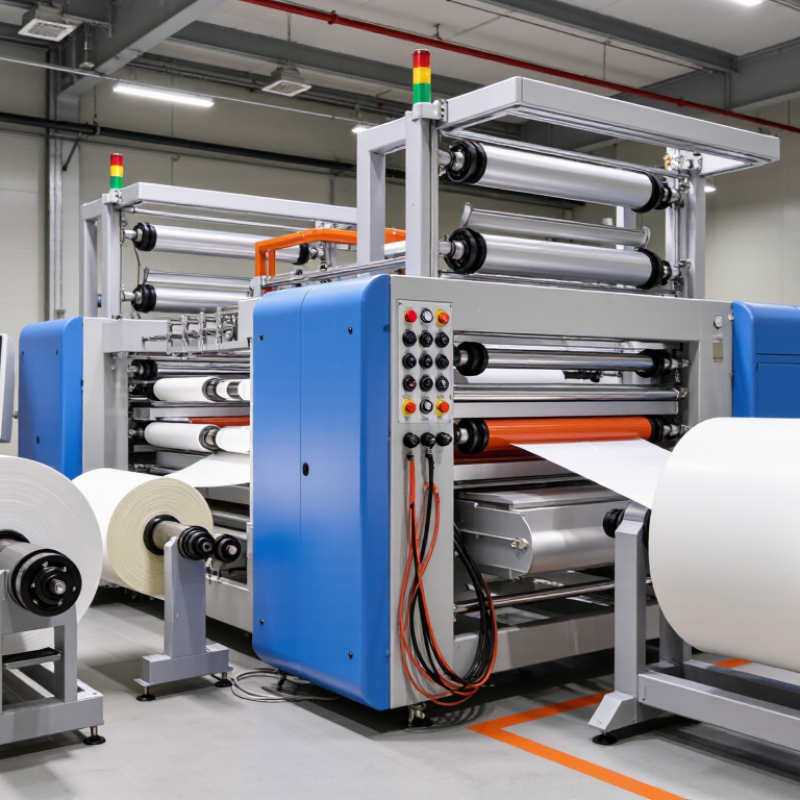
How to Choose a PU Coating Laminating Machine
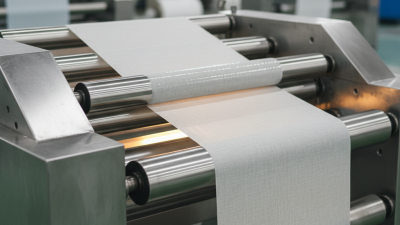
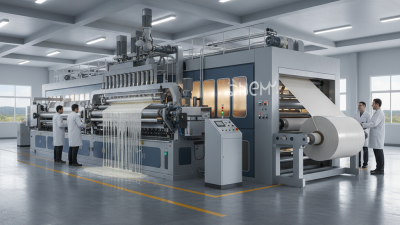
A PU coating laminating machine applies a polyurethane layer to moving fabric, foam, or film. It may also bond that coated material to another web using pressure and controlled heat. Its role goes beyond applying a surface finish. The machine manages coating weight, web tension, drying, and the contact between layers. If tension fluctuates, fabric can wrinkle; if drying is uneven, the coating may feel tacky in some areas. Small variations matter. A machine that runs smoothly on one material may need careful adjustment for another.
When choosing equipment, consider your material width, target output, coating method, and required drying capacity. Ask how operators adjust line speed and temperature, and whether the controls make those settings easy to repeat. Check that the tension system suits delicate or stretchy substrates. A short trial with your actual material can reveal issues that a specification sheet may not show. Record coating weight and inspect edges, bonding, and surface feel. No setup is perfect on the first run; that is worth admitting. Plan time for testing and adjustment.
Tips: Bring sample material, define acceptable coating variation, and ask to see a changeover. Look closely at the finished edges.
| Selection Dimension | Role in the Process | What to Check | Practical Selection Guidance |
|---|---|---|---|
| Substrate and end use | Determines the coating method, adhesive system, drying needs, and required finished properties. | Identify the substrate, such as woven or knitted fabric, nonwoven, foam, or film, along with its thickness, heat sensitivity, and intended application. | Test the actual material and target construction before choosing a machine. A setup suitable for one fabric may not suit a heat-sensitive film or foam. |
| PU formulation | Influences coating behavior, drying or curing conditions, bonding, and ventilation requirements. | Confirm whether the process uses solvent-based, water-based, or reactive PU, and obtain the formulation supplier’s processing and safety guidance. | Specify the machine around the intended formulation. Solvent-based processes require appropriate solvent handling, exhaust, and hazardous-area safeguards. |
| Coating method and metering | Controls how PU is applied and helps determine coating uniformity and surface finish. | Ask whether the line uses a knife, roller, gravure, or another coating arrangement, and check the adjustment range and coating-weight control. | Match the coating head to the required finish, viscosity, substrate, and production tolerance. Validate the result with production-representative trials. |
| Working width | Sets the usable web width and affects material utilization and line capacity. | Compare the maximum usable width with the actual roll width, edge-trim allowance, and any planned product changes. | Choose enough width for the largest planned product without paying for capacity that will not be used. Confirm usable width, not just nominal machine width. |
| Line speed and output | Determines potential throughput, but output also depends on coating weight, drying, curing, and material handling. | Request the operating speed range for the specific material and PU system, and clarify whether quoted speed is a maximum or a demonstrated production rate. | Evaluate output using a trial with the intended coating and substrate. A high maximum speed alone does not guarantee stable finished quality. |
| Drying and curing capacity | Removes water or solvent, or provides the conditions needed for the selected system to develop its properties. | Check oven length, temperature control, airflow, exhaust, available zones, and the formulation’s required dwell time. | Size the drying section for the real process window. Confirm that temperature and airflow can be controlled without damaging the substrate. |
| Lamination and bonding | Joins coated material to a second layer when the product requires a laminated construction. | Check the laminating arrangement, nip pressure adjustment, roll temperature where applicable, and compatibility with the chosen adhesive or PU layer. | Test bond strength and appearance after the required conditioning period. The correct settings depend on the materials and adhesive system. |
| Web handling and tension control | Helps maintain stable tracking and tension through coating, drying, and winding. | Review unwind and rewind controls, edge guiding, tension adjustment, and handling of thin, stretchy, or easily marked materials. | Prioritize stable control across the full line, especially when processing elastic or delicate substrates that can stretch or wrinkle. |
| Quality inspection and control | Supports repeatable production and helps identify coating or lamination defects. | Ask about process monitoring for speed, temperature, tension, coating weight, and visual defects, plus data recording if required. | Define acceptable limits for coating uniformity, appearance, bond strength, and finished width before evaluating equipment performance. |
| Safety, emissions, and maintenance | Protects operators and supports safe, reliable operation and regulatory compliance. | Review guarding, emergency stops, ventilation, solvent controls where relevant, cleaning access, spare parts, and routine maintenance needs. | Have qualified safety and environmental personnel assess the proposed installation, utilities, exhaust, and applicable local requirements. |


 Wechat: ANNIELV88