Leave Your Message

Why Choose a Fabric Coating Laminating Line?

Why Choose a Fabric Coating Laminating Line? Manufacturers ask this when product quality, output, and material costs must work together. A Fabric Coating Laminating Line applies coatings or bonds textile layers through controlled heat, pressure, and material handling. The right setup depends on the fabric, coating, and intended application. There is no universal configuration.

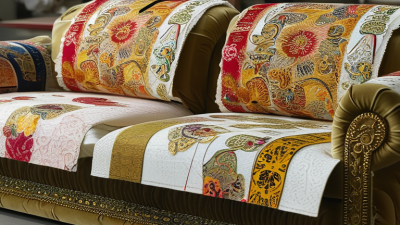
On the production floor, the benefits are tangible. Stable web tension can help reduce wrinkles as fabric moves across rollers. Even coating application supports a more consistent surface, while precise temperature control can protect sensitive substrates. Laminating can also join textiles with films or foams for upholstery, protective covers, footwear, and other products. Small variations matter. An uneven adhesive layer may affect the finished roll.

A well-chosen line can improve repeatability and support higher production volumes, but the equipment alone cannot guarantee good results. Operators need appropriate process settings, regular maintenance, and checks on incoming materials. Energy use, changeover time, cleaning needs, and floor space also deserve attention. These details are easy to underestimate. A line that performs well with one fabric may need adjustments for another, and trial runs can reveal practical limits. Evaluating these trade-offs helps buyers decide whether a Fabric Coating Laminating Line fits their products, workflow, and production goals. Testing before purchase is sensible. Small trials can reveal more than a polished specification sheet.
Why Choose a Fabric Coating Laminating Line?

What Is a Fabric Coating and Laminating Line?

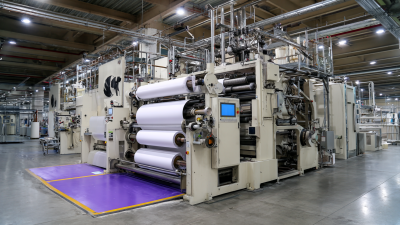
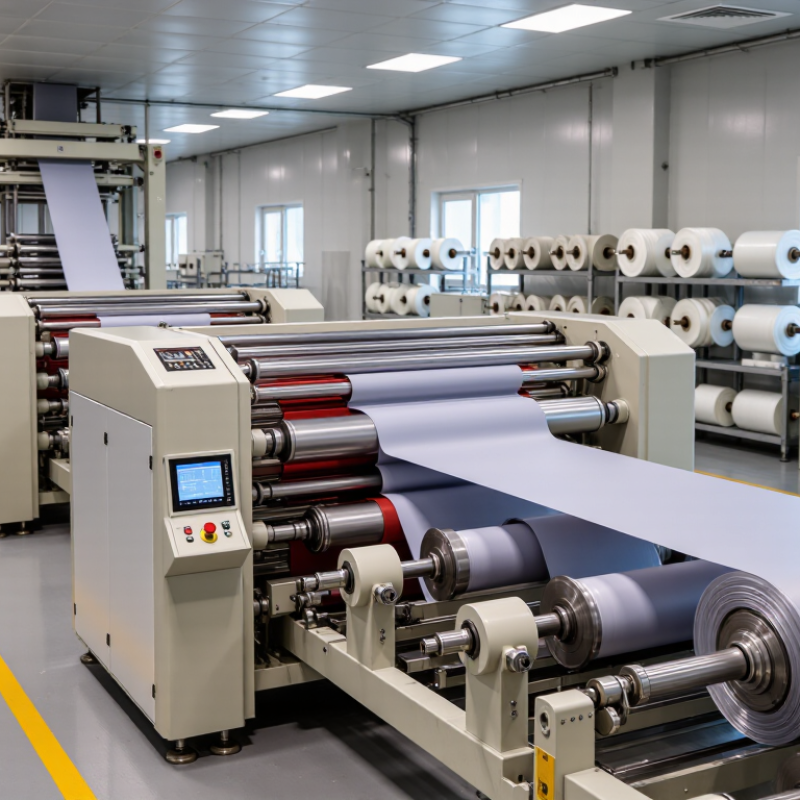
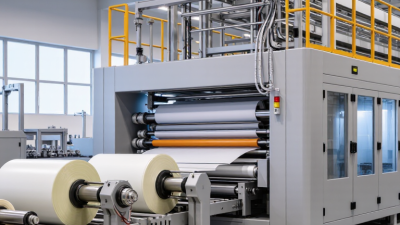
A fabric coating and laminating line is a connected production system that applies a functional layer to fabric or bonds fabric to another material. It typically includes an unwind stand, tension controls, a coating or adhesive station, a drying or curing section, and a rewinder. For lamination, a heated or pressure-controlled nip brings the layers together. The exact setup depends on the fabric, coating compound, and finished product requirements.

During coating, the material passes beneath a coating head, where a blade, roller, or similar device helps control layer thickness. It then travels through an oven, where temperature and line speed affect drying and bonding. Small changes can matter: uneven tension may cause wrinkles, while excessive heat can alter the fabric’s feel. The details matter. Operators monitor web alignment, coating weight, and temperatures rather than relying on speed alone.

A laminating line may bond fabric to foam, film, or another textile using heat, pressure, or adhesive. Consistent nip pressure and clean rollers help reduce bubbles and weak spots. Still, a line can look efficient on paper and struggle with a delicate or stretchy fabric. Trials with the actual material are useful, even when they slow setup. The goal is not simply to add a layer, but to achieve a repeatable bond without losing the fabric’s needed flexibility, texture, or strength.

How Does the Line Process Textile Materials?

Why Choose a Fabric Coating Laminating Line?

How Does the Line Process Textile Materials?

A fabric coating laminating line moves textile from an unwind roll through several controlled stages. The unwind unit feeds the cloth at a steady speed, while guide rollers help keep its edges aligned. Tension matters: too much can stretch a knit, while too little may create wrinkles. The coating head then applies a measured layer of liquid or paste to the fabric surface. Its gap, pressure, and speed influence how evenly the material is covered.

Small deviations matter.

Then comes drying. Heat and airflow remove moisture or help the coating cure, depending on its formulation. Settings need to suit the fabric, since excessive heat can change its feel or dimensions. After drying, the coated textile may meet a second layer at a heated or pressure-controlled nip. The rollers bond the materials together; cooling and rewinding follow.

Operators typically check samples for coating consistency, adhesion, and visible defects. A small test run can reveal problems before a full roll is processed, though it cannot predict every variation in the fabric. The process is not perfectly forgiving. A slight wrinkle or uneven tension may affect the finished surface, so recorded settings and regular checks help maintain repeatable results. Exact conditions vary with fabric construction, coating type, and the intended end use.

Which Coating and Lamination Methods Can It Use?

A fabric coating and laminating line can use several methods, but the right choice depends on the fabric, coating material, and finished product. Knife-over-roll coating spreads a controlled layer across the surface. Operators adjust the blade gap, line speed, and coating viscosity to manage coverage. Too much material can make fabric stiff. Too little may leave pinholes.

Roller coating transfers a thin layer through rotating rolls and can suit repeatable applications. Dip-and-squeeze processing pushes coating into the fabric, often adding more weight. For bonding, hot-melt adhesive lamination joins fabric to foam, film, or another textile with heat and pressure. Thermal-film lamination uses a preformed adhesive layer. Flame lamination can bond compatible foam-backed materials, but heat-sensitive fabrics need careful testing.

The line may also apply water-based or solvent-based coatings, depending on its drying, exhaust, and control systems. These systems are not interchangeable. A useful trial checks peel strength, coating weight, surface appearance, and how the fabric bends after cooling. Small samples can mislead. A first run is rarely perfect; uneven edges or a slightly stiff hand can reveal where settings need work.

Why Choose a Fabric Coating Laminating Line?

Common coating and lamination methods available for processing fabric

A line can be configured for different surface treatments and bonding processes. Examples include knife, roll, slot-die and spray coating, plus adhesive, thermal and flame lamination. Counts show the examples listed—not machine limits or performance ratings. The suitable method depends on the fabric, coating material and end-use requirements.

What Benefits Does the Line Offer Manufacturers?

A fabric coating laminating line gives manufacturers tighter control over how coatings and films bond with textiles. Operators can manage fabric tension, coating thickness, and drying conditions within one connected process. That consistency helps reduce uneven coverage and weak bonding across a production roll. Small defects matter.

The line can also support a broader range of product requirements. A manufacturer might apply a protective coating for outdoor fabric or laminate a film for improved moisture resistance. Controlled heating and pressure help create a more uniform bond, while in-line checks can reveal wrinkles, gaps, or coating variations before the roll is finished. These checks are useful, but they do not replace careful testing of the finished material.

Automation may improve repeatability and reduce some handling between process stages. It can also make production changes easier to track through settings such as line speed and oven temperature. The trade-off is real: each fabric and coating combination may need its own trials. A setting that works well on a lightweight knit may not suit a dense woven fabric. Manufacturers should weigh material compatibility, energy use, maintenance needs, and operator training when assessing the line’s value.

Why Choose a Fabric Coating Laminating Line? - What Benefits Does the Line Offer Manufacturers?

Benefit How the Line Delivers It Value to Manufacturers Key Consideration
Combined coating and lamination A continuous line can apply a coating, bond a film or membrane, and use controlled pressure and heat where the process requires them. Combining compatible steps can reduce separate handling and transfers between machines. The required modules depend on the coating chemistry, laminate construction, and fabric.
Functional surface properties Coatings or bonded layers can be selected to provide properties such as water resistance, a barrier, or improved surface durability. Manufacturers can tailor fabric constructions for different end uses without changing the base textile in every case. Performance must be verified against the intended use and applicable test methods; results vary by material and process.
Controlled, repeatable processing Web tension, line speed, coating application, nip pressure, and drying or curing conditions can be monitored and adjusted. Process control helps maintain more consistent coating coverage and laminate bonding across production runs. Settings need to be validated for each fabric, adhesive or coating, and product specification.
Material and construction flexibility Depending on the equipment configuration, lines can process different textile substrates and bond compatible films, foams, or other layers. A configurable process can support multiple product constructions on shared production equipment. Not every substrate or layer is compatible; trials are needed to check adhesion, appearance, and handling.
Efficient use of production steps Continuous web processing can combine sequential operations and reduce the need to move rolls between separate workstations. Fewer transfers may simplify material flow and reduce intermediate handling. Actual throughput and operating cost depend on line speed, changeovers, product design, labor, and energy requirements.
Potential for lower process waste Accurate web guiding and controlled application can help limit defects such as uneven coating or misaligned layers. Reducing avoidable defects can improve material utilization and reduce rework or scrap. Waste reduction is not automatic; it depends on setup, maintenance, operator training, and quality controls.
Product development options Coating weight, layer selection, and process conditions can be adjusted during development to evaluate different constructions. Manufacturers can test product features and constructions before setting production specifications. Development trials should assess bonding, flexibility, durability, and any application-specific requirements.

Benefits and achievable performance depend on the line configuration, fabric, coating or adhesive system, operating conditions, and product requirements.

How Do You Choose a Line for Your Production Needs?

Why Choose a Fabric Coating Laminating Line?
How Do You Choose a Line for Your Production Needs?

Choosing a fabric coating laminating line starts with the material, not the machine’s maximum speed. List your fabric types, roll widths, target coating weight, and finished-product requirements. A lightweight woven fabric may need gentler tension than a dense textile. Check the coating or adhesive process, too. It affects drying or curing needs, line layout, and energy use. Small details matter.

Match the line’s working width and speed range to your actual orders, including likely product changes. Ask how operators control tension, temperature, and coating thickness, and how quickly they can clean or adjust the equipment. Request a trial with your own fabric and process settings. Watch for wrinkles, uneven edges, and changes in hand feel. There is no perfect line on paper; trial results can still raise new questions.

Tips: Bring sample rolls and written quality limits to supplier discussions. Measure available floor space, including room for roll loading and maintenance access. Compare expected output with realistic changeover and cleaning time, not just the quoted top speed.