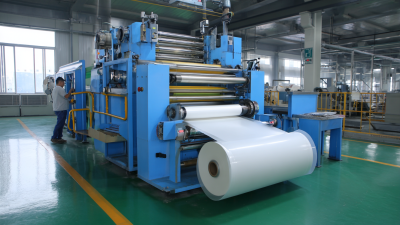
Choosing the best Pu Coating Laminating Machine in China requires more than comparing prices and advertised speed. The right choice depends on coating accuracy, substrate compatibility, production stability, and after-sales support. A machine may look impressive in a showroom, yet perform poorly with thin film, woven fabric, or heat-sensitive foam.
Dr. George Woods, a respected polyurethane technology specialist, emphasized, “Successful polyurethane processing depends on controlling the material, the machine, and the process together.” This principle remains highly relevant today. A dependable Pu Coating Laminating Machine should maintain even coating thickness across the working width. It should also provide stable tension control, accurate temperature management, and smooth web alignment. Small details matter. A misaligned roller can create visible wrinkles within minutes.
Experienced buyers should inspect the coating head, mixing system, curing section, and control interface. Ask for production samples using your actual materials. Check the coating weight at several points, not only at the center. Review installation records, spare-parts availability, and technician response times. These details reveal more than a polished brochure.
Chinese manufacturers offer strong customization and competitive manufacturing capabilities. However, quality varies between suppliers. Some machines are excellent, while others need substantial adjustment after installation. No machine is perfect. The best investment is the one that matches your product, factory space, operator skills, and long-term maintenance plan. This guide examines those practical factors before identifying the most suitable Pu Coating Laminating Machine for different production needs.
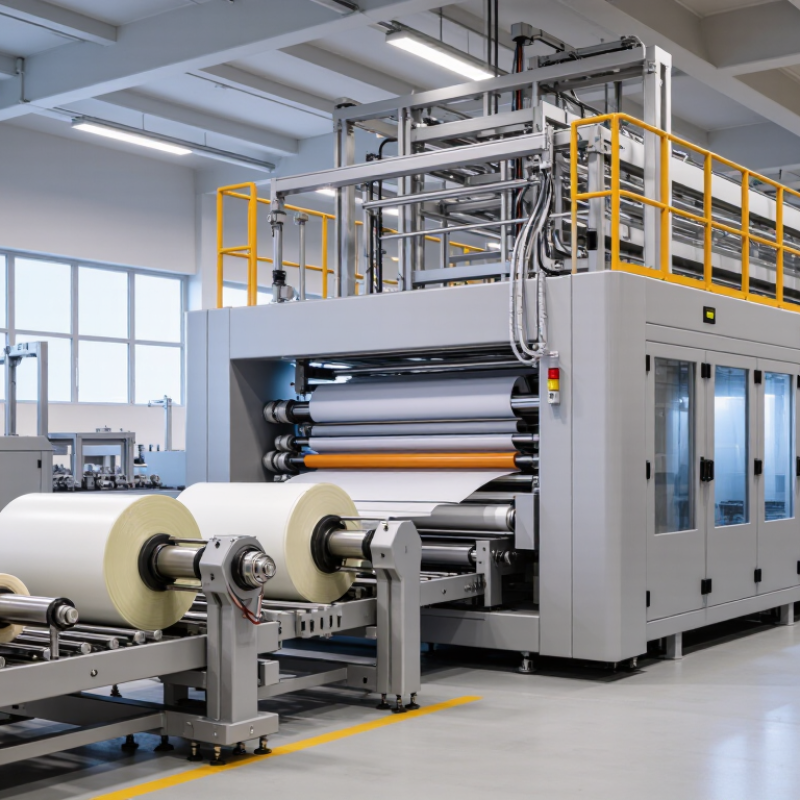
A PU coating laminating machine applies polyurethane adhesive to one substrate, then bonds it with another under controlled pressure. The coated material may be film, foil, paper, or fabric. A typical line includes unwinding units, tension controls, a coating head, a laminating nip, curing space, and a rewinding section. Some systems use solvent-free PU, while others handle solvent-based formulations. The correct choice depends on the adhesive, substrate width, coating weight, and required production speed.
In China, the best machine is not always the fastest one. Stable tension control often matters more than impressive speed. During operation, uneven coating can appear near the edges, especially when the adhesive temperature or viscosity changes. Experienced technicians usually check coating weight, roller pressure, web alignment, and curing conditions through regular samples. A reliable machine should provide repeatable results, clear adjustments, and accessible technical support. It should also protect operators through suitable guarding and controlled heating systems.
Tips: Test the actual materials before purchasing. Ask for coating-weight data, bonding strength results, and long-run samples. Check whether the machine supports future materials, because today’s ideal configuration may become restrictive later. Allow space for maintenance around rollers and heating units. Small details matter. A machine can look excellent during a short demonstration, yet reveal tension or cleaning problems after several hours. Careful testing is still necessary.
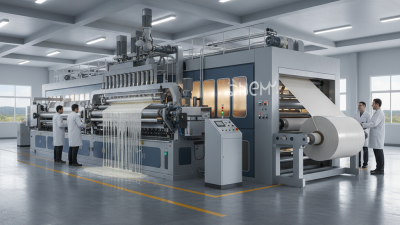
PU coating lamination bonds polyurethane to fabric, film, foam, or nonwoven substrates. The machine first unwinds and tensions the base material. A gravure roll, knife, or slot-die system then applies a controlled PU layer. Heat removes solvent or activates water-based chemistry. Pressure rollers complete the bond. The coating must remain uniform, even at high speed.
According to Grand View Research, the global polyurethane coatings market reached about USD 18.4 billion in 2023. This growth reflects demand for flexible, protective, and abrasion-resistant surfaces. Textile Exchange reported that polyester represented roughly 57% of global fiber production in 2023. Therefore, a practical laminating line should handle polyester, blends, and recycled fabrics without excessive stretching.
The best machine in China is not simply the fastest one. It should provide stable tension control, accurate coating weight, precise temperature zones, and reliable edge alignment. Experienced operators should test peel strength, coating weight, drying efficiency, and fabric handle. ASTM and ISO methods can support repeatable testing. In production, I have found that small tension changes can create visible wrinkles. No machine is perfect. Energy use, maintenance access, and operator training still deserve closer attention. A slower line may deliver better yield. That trade-off is often overlooked.
The best PU coating laminating machine in China is not defined by speed alone. In production trials, stable coating weight matters more than a dramatic maximum output figure. A reliable machine should control PU flow with a precise metering system. It should also maintain even pressure across the laminating nip. Small variations can create visible streaks, weak bonding, or curled edges. Operators need clear touchscreen controls and practical adjustment points. Good design reduces guesswork during material changes.
Tension control is another defining feature. Sensors should respond quickly when film rolls change diameter. Web guiding must keep the substrate centered at high speed. A well-designed drying section removes moisture without overheating sensitive films. Independent temperature zones provide better control than one broad setting. Energy monitoring is valuable because heating can dominate operating costs. I would also check cleaning access. It saves hours, although manufacturers sometimes underestimate it.
The strongest machines support traceable quality checks. Useful systems record coating weight, line speed, temperature, and alarm history. In my experience, accessible maintenance areas improve consistency more than attractive external panels. Safety guards, emergency stops, and reliable interlocks are essential. Spare parts should be standard, and service support should be documented. No machine is perfect. A trial using the buyer’s actual film, PU material, and target speed remains necessary. One overlooked issue is noise; a quieter machine can improve operator attention.
The best PU coating laminating machine is typically defined by a balanced combination of production speed, working width, coating precision, temperature stability, and energy-efficient curing. The chart presents common industrial reference ranges used when comparing modern PU coating and laminating lines in China. Actual specifications vary according to material type, adhesive formulation, substrate, and production requirements.
What Is the Best PU Coating Laminating Machine in China?
Comparing Chinese PU laminating machine manufacturers requires more than checking the lowest quotation. According to Grand View Research, the global polyurethane adhesives market was valued at over USD 9 billion in 2023. Demand is rising, but machine quality still varies sharply. Ask each manufacturer for verified coating-weight accuracy, web-width tolerance, and continuous running speed. A machine rated at 150 meters per minute means little without actual production records.
Request a live trial using your fabric, film, adhesive, and target coating weight. Watch the unwind tension, mixing ratio, drying stability, and edge alignment. A practical trial should run for several hours, not ten impressive minutes. Check whether coating weight remains stable after speed changes. ASTM testing methods can help verify peel strength and appearance. The best suppliers should provide inspection reports, electrical diagrams, spare-parts lists, and operator training. Their engineers should explain failures plainly.
Energy use also deserves attention. The International Energy Agency identifies industrial motors and process heating as major energy consumers, so drying efficiency affects long-term cost. Compare installed motor power, heat-recovery options, and actual energy use per square meter. My first comparison mistake was trusting brochure speed. It looked professional. It was not enough. Service response matters more when a doctor blade blocks production at midnight. Ask for remote support times, local technicians, warranty exclusions, and references from similar applications. A manufacturer that welcomes factory audits may be more reliable than one offering the cheapest machine. Still, no audit removes every risk. Thin data remains thin data.
The following table provides an objective framework for comparing PU coating laminating machine suppliers. The specifications are indicative ranges commonly found in the Chinese industrial machinery market and should be confirmed against the supplier's current technical proposal.
| Comparison Dimension | Typical Market Specification | Why It Matters | What to Verify with the Manufacturer | Suggested Weight |
|---|---|---|---|---|
| Machine Type | Single-side PU coating, dry lamination, hot-melt lamination, or combined coating and laminating lines | The process configuration determines product quality, investment cost, and material compatibility. | Confirm whether the line is designed for water-based PU, solvent-based PU, solvent-free PU, or hot-melt PU. | High |
| Effective Working Width | Approximately 1,000–2,600 mm for many standard industrial models | The width must match the maximum finished product width and allow for edge trimming or multiple lanes. | Request the usable coating width, maximum web width, edge allowance, and width tolerance. | High |
| Production Speed | Design speeds commonly range from 50–150 m/min; actual output depends on adhesive and substrate | Higher speed can improve capacity, but unstable coating or insufficient drying may reduce usable output. | Ask for tested production speed using the same adhesive, coating weight, substrate, and finished product required by your process. | High |
| Coating Weight Range | Often approximately 5–40 g/m², depending on the coating method and PU formulation | Coating weight affects bonding strength, flexibility, material consumption, and final product cost. | Verify minimum and maximum stable coating weight, cross-web uniformity, and the measurement method. | High |
| Coating Uniformity | Common target: approximately ±3% to ±5% across the working width under stable conditions | Uniform coating prevents weak bonding, surface defects, waste, and inconsistent product performance. | Require coating samples, test results, and information about the metering roll, die, pump, and control system. | High |
| Substrate Compatibility | Typical substrates include textile, nonwoven, film, foil, paper, foam, and synthetic leather | Different substrates require different tension control, nip pressure, drying conditions, and adhesive application methods. | Provide actual substrate thickness, width, tensile strength, surface treatment, and roll diameter for testing. | High |
| Drying and Heating System | Multi-zone hot-air ovens are common; temperature capacity is often approximately 80–160°C | Correct drying prevents residual solvent, poor bonding, bubbles, blocking, and surface defects. | Check heating method, effective oven length, temperature uniformity, exhaust volume, and energy consumption. | High |
| Web Tension Control | Load-cell or dancer-based automatic tension control is commonly available | Stable tension reduces wrinkles, stretching, telescoping, registration errors, and uneven lamination. | Verify tension range, sensor type, control response, roll diameter range, and performance at low tension. | High |
| Laminating Nip Pressure | Pneumatic or hydraulic pressure systems with adjustable nip pressure are widely used | Consistent pressure improves contact, bonding strength, and surface appearance. | Ask for pressure adjustment range, roller hardness, roller runout, and independent pressure control. | Medium |
| Unwinding and Rewinding | Roll diameters commonly range from approximately 600–1,200 mm; automatic splicing is optional | Larger rolls and reliable splicing reduce downtime and improve continuous production. | Confirm maximum roll weight, core diameter, shaft type, edge alignment, and splice performance. | Medium |
| Control and Automation | PLC and touchscreen control are standard; recipe storage, automatic register control, and remote diagnostics may be available | Automation improves repeatability, setup efficiency, fault detection, and operator safety. | Check electrical drawings, control language, data logging, password levels, spare parts, and remote-service capability. | Medium |
| Energy Consumption | Installed electrical capacity commonly ranges from approximately 50–250 kW, depending on width and oven length | Energy efficiency directly affects operating cost and factory utility requirements. | Request measured consumption per operating hour or per square meter under defined production conditions. | Medium |
| Safety and Environmental Systems | Emergency stops, guarding, exhaust systems, temperature alarms, and interlocks are normally required | Safety systems protect operators and help meet factory, environmental, and export-market requirements. | Verify applicable electrical standards, CE-related documentation where required, ventilation design, and safety-circuit testing. | High |
| Quality Assurance | Established manufacturers generally provide inspection records, component lists, and factory acceptance testing | Documented quality control reduces installation problems and performance disputes. | Request mechanical inspection records, electrical test reports, FAT procedures, and final acceptance criteria. | High |
| Installation and Commissioning | Support may include remote guidance, installation supervision, operator training, and process commissioning | Good commissioning support shortens the start-up period and reduces material waste. | Confirm service scope, engineer availability, travel costs, training hours, and commissioning responsibilities. | Medium |
| Warranty and After-Sales Service | A 12-month warranty from shipment or commissioning is commonly offered, subject to contract terms | Service response and spare-parts availability often matter more than the initial purchase price. | Check warranty exclusions, response time, spare-parts lead time, service channels, and long-term technical support. | High |
| Total Cost of Ownership | Evaluation should include machine price, installation, utilities, consumables, maintenance, downtime, and spare parts | The lowest purchase price may not provide the lowest cost per finished product. | Compare cost per square meter, expected output, energy use, maintenance intervals, and five-year operating expenses. | High |
The best machine is not always the fastest one. Buyers should match its working width, coating weight, and production speed to the actual material. Ask for a live trial with your own fabric or film. A smooth sample under showroom lighting proves little. Check the coating surface after cooling, trimming, and repeated bending. Small bubbles may appear later.
Inspect the coating head carefully. Confirm whether it handles your polyurethane viscosity and chosen process. Review roll hardness, temperature control, web tension, and drying length. Ask for coating-weight data across the full width, not only at the center. Request noise readings and energy-use records during continuous operation. Details matter daily.
I have seen buyers focus on maximum speed and overlook changeover time. That mistake becomes expensive. Measure cleaning access, spare-part availability, and operator safety features. Confirm electrical standards, installation support, training, and response times in writing. Ask how faults are diagnosed remotely and locally. A factory visit can reveal assembly quality, cable routing, and maintenance space. Do not accept vague promises. However, careful checks cannot remove every risk. A trial run may still hide seasonal humidity problems. Leave room for testing after installation, and record every agreed specification before payment.