A Garment Bronzing Machine is used to add a metallic or reflective finish to selected areas of clothing and fabric. In many workflows, it transfers bronzing foil or a compatible effect layer onto the textile using controlled heat and pressure. The result may appear as a logo, lettering, trim, or a small decorative panel. It can make a plain cotton-blend T-shirt catch the light, or give a jacket detail a warmer, polished look. Not every machine or finish works with every fabric.
The exact process depends on machine design, transfer material, and garment construction. Operators typically set temperature, pressure, and dwell time, then test a fabric swatch before treating a finished piece. That small check matters. Too much heat can mark, shrink, or distort sensitive textiles; too little pressure may leave uneven coverage or weak adhesion. The machine is useful for controlled, repeatable decoration, not for making any fabric metallic by default. The name can be confusing. “Bronzing” may describe different foil or surface-effect processes across suppliers, so buyers should confirm the consumables and operating range rather than rely on the label alone. A clear understanding helps workshops choose suitable applications, reduce avoidable rejects, and set realistic expectations for durability after washing and wear. Test first.
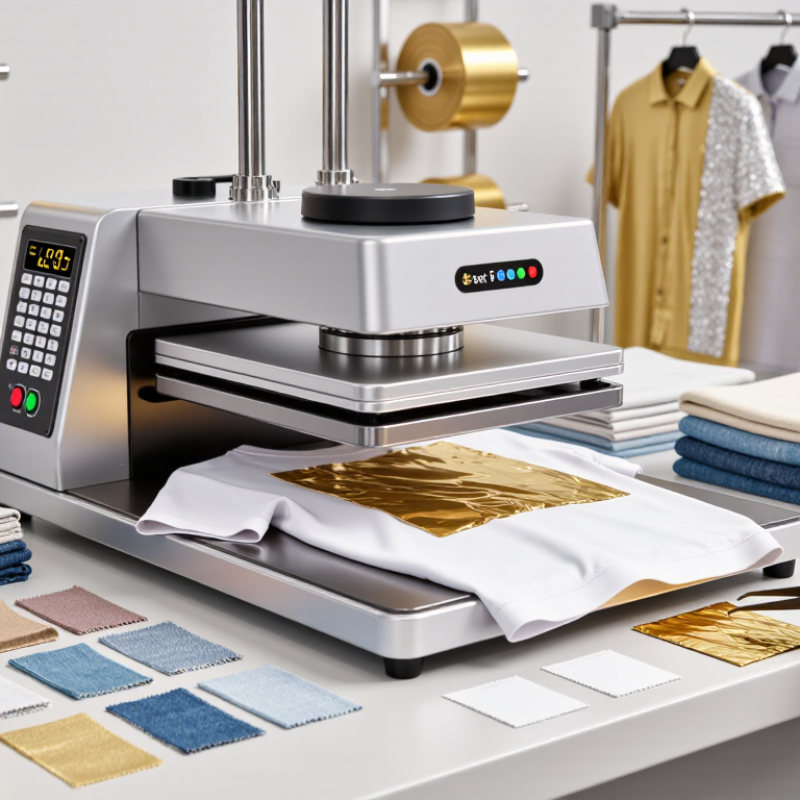
A garment bronzing machine applies a metallic-looking finish to fabric or finished clothing. In many workshops, the process uses a heat press to bond foil or a bronzing layer to a prepared adhesive design. Heat, pressure, and dwell time help determine how evenly the finish transfers. A typical setup includes a heated platen, adjustable pressure, and a timer. The operator positions the garment, aligns the design, and presses it. Small differences matter. Seams, zippers, and thick hems can leave uneven pressure or dull patches.
The name can be misleading. “Bronzing” may describe different materials and processes, so check the supplier’s technical instructions before choosing settings.
For a small production run, test the exact fabric, adhesive, and foil together. A metallic finish can look crisp on a flat cotton panel, yet crack or peel on a stretchy garment. Results vary. Temperature readings alone do not guarantee a durable finish.
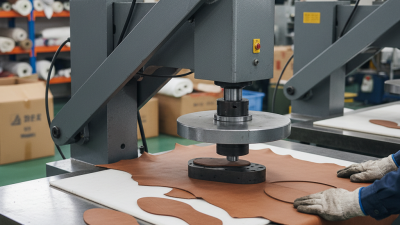
What Is a Garment Bronzing Machine Used For?
How Bronzing Adds Metallic Effects to Fabric
A garment bronzing machine helps bond a metallic surface to selected areas of fabric. In many workflows, an adhesive is printed onto the garment first. Metallic transfer film is then placed over the design and pressed with controlled heat and pressure. The carrier sheet is removed, leaving a reflective layer where the adhesive was applied. Gold, silver, and copper tones are common. The effect is striking.
Results depend on fabric texture, adhesive, temperature, pressure, and pressing time. A smooth cotton panel may show crisp edges, while a ribbed or stretchy knit can look less even. One limitation is easy to overlook: shine does not guarantee durability. Repeated rubbing, stretching, or unsuitable washing may dull or crack the metallic finish. Settings should be tested on a fabric swatch before production.
Tips: Keep the fabric flat and dry, and check that the transfer film aligns with the printed adhesive. Follow the material supplier’s curing guidance, since excessive heat can mark or distort some fabrics. Inspect a washed sample, too. Small details matter, though testing takes time.
This chart shows the layer-by-layer stages of a typical heat-transfer foil bronzing process. A bronzing machine applies heat and pressure to bond a metallic finish to fabric.
Presence key: 1 = present; 0 = not yet added. This simplified process illustration indicates layer presence, not thickness, temperature, or processing time. Methods vary by fabric and materials.
A garment bronzing machine creates a metallic finish on selected areas of clothing. Depending on the process, it bonds bronzing powder or metallic transfer material to a prepared adhesive design. The result may look smooth and reflective, or slightly textured. It is commonly used for logos, lettering, and decorative panels.
Cotton T-shirts, sweatshirts, and denim are often suitable, especially when the target area is flat and clean. Cotton-polyester blends can also work, but their heat response varies. Polyester garments may accept a metallic finish, though excess heat can cause shine, distortion, or color change. Test a fabric swatch first. It matters.
Fabric texture affects the result. A smooth jersey surface usually gives cleaner edges than thick fleece, ribbing, or heavily textured knits. Seams, zippers, and folds can prevent even pressure, so placement needs care. Stretch fabrics containing elastane require particular attention; high heat or pressure may weaken recovery. Nylon and coated materials can also react unpredictably. They need testing. A small trial helps reveal whether the adhesive bonds well, the finish survives gentle washing, and the fabric keeps its original hand feel. Not every garment is a good candidate, and that limitation is easy to overlook.
What Is a Garment Bronzing Machine Used For?
How the Garment Bronzing Process Works
A garment bronzing machine applies metallic foil to selected areas of clothing using heat and pressure. The process usually begins with a suitable adhesive printed onto the fabric. That adhesive creates the pattern and holds the foil in place. The garment must be clean, dry, and positioned flat. Small wrinkles can disrupt the finish.
After the adhesive is prepared, foil is placed over the printed area with its metallic side facing the fabric. The machine presses the layers together for a controlled period. Temperature, pressure, and dwell time depend on the fabric, adhesive, and foil. Follow the equipment and material instructions, and test a fabric swatch before production. Settings that work on cotton may not suit a stretchy blend.
Once the press cycle ends, the foil is peeled away as directed by its supplier. Foil remains where the adhesive has bonded, revealing the design. Edges may look dull if alignment shifts or pressure is uneven. Check the result under steady light, then test washing and stretching if the garment requires them. It takes patience. Even experienced operators may need to adjust a setting after changing fabric lots, so record successful test conditions for repeat runs.
| Process Stage | What the Machine or Operator Does | Materials Involved | Purpose | Key Quality Considerations |
|---|---|---|---|---|
| Garment preparation | The fabric is positioned flat on a heat-resistant platen or prepared for a roller-based system. | Garment or fabric panel; protective pressing sheet when required | Creates a stable surface for accurate decoration. | The fabric should be clean, dry, and free of wrinkles. Test unfamiliar or heat-sensitive materials first. |
| Adhesive application | A textile-compatible foil adhesive is applied in the desired design, often by screen printing or another suitable printing method. | Fabric; textile foil adhesive; design screen or printing equipment | Provides the bonding layer that holds the metallic foil to selected areas of the fabric. | Use an adhesive intended for the fabric and foil system. Keep the printed design even and allow the adhesive to reach the condition specified for that product. |
| Foil placement | The metallic transfer foil is placed over the adhesive-printed area with its transfer side correctly oriented. | Textile transfer foil; adhesive-printed fabric | Aligns the decorative foil with the printed design before heat and pressure are applied. | Correct orientation, smooth placement, and secure alignment help prevent incomplete coverage or unwanted creases. |
| Heat and pressure application | A flatbed heat press or compatible roller machine applies controlled heat and pressure for the specified dwell time. | Prepared fabric and foil assembly | Activates the adhesive so the foil bonds to the design area. | Temperature, pressure, and dwell time depend on the adhesive, foil, fabric, and machine. Follow product instructions and validate settings with a sample. |
| Carrier removal | The foil carrier is peeled away at the point and in the manner recommended for the foil system. | Pressed garment; foil carrier sheet | Removes the carrier film while leaving the bonded metallic layer on the intended design. | Peel timing can vary by transfer material. Check that the foil has transferred evenly before processing the next piece. |
| Inspection and finishing | The decorated area is inspected and, where required, given a finishing press or curing step according to material instructions. | Decorated garment; protective sheet if specified | Confirms appearance and prepares the garment for handling or further production. | Look for gaps, lifting, scorching, unwanted marks, and distortion. Follow the specified care and wash-testing guidance for the materials used. |
| Typical machine use | The machine transfers metallic or reflective foil onto selected garment areas through controlled heat and pressure. | Garments, textile adhesive, and compatible transfer foil | Creates decorative accents such as lettering, logos, patterns, and metallic highlights. | Machine format and working area should suit the garment and design. Results vary with fabric construction and the compatibility of all transfer materials. |
“Garment bronzing” commonly refers to decorating textiles with metallic transfer foil. It is a heat-transfer process, and exact operating settings should be established using the instructions for the specific adhesive, foil, fabric, and machine.
A garment bronzing machine applies controlled heat and pressure to bond a metallic finish to fabric, usually through a prepared adhesive or transfer layer. The result may look smooth and mirror-like, or softly textured, depending on the material and process. Small details matter.
Bronzing quality starts with fabric preparation. Dust, lint, moisture, or uneven adhesive can leave dull patches and rough edges. Temperature, pressure, and dwell time must suit the fabric and transfer materials; excessive heat can flatten texture or mark delicate fibers. Too little pressure may cause weak bonding. Test first. A small sample helps reveal problems before a full production run, though it cannot predict every fabric variation.
Durability depends on both application and aftercare. Allow the finish to cool or cure as specified, and avoid stretching the printed area while it is still warm. Washing conditions, detergent, abrasion, and garment construction can all affect how long the shine lasts. Check samples after repeated washing and rubbing, not just under bright factory lights. Metallic finishes can lose brilliance over time, and results vary between fabric batches. That variation is easy to underestimate. Record settings and inspect finished garments under consistent lighting, while treating each new fabric as a fresh test.