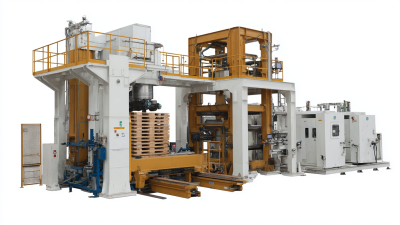
When people see a Swing Beam Cutting Machine, they often notice its strong steel frame first. Its upper blade moves through a controlled swinging path. This action separates sheet metal with a clean, downward cut. The machine is commonly used for mild steel, stainless steel, aluminum, and similar materials. It supports fabrication shops, metal service centers, and industrial production lines.
In practical use, operators place the sheet against the back gauge before cutting. The gauge helps maintain a repeatable length. Hydraulic cylinders usually drive the beam, while a control system manages the cutting cycle. Blade gap and rake angle require careful adjustment. Incorrect settings may leave burrs, distortion, or uneven edges. Material thickness also affects the correct setup. A thick plate and a thin aluminum sheet cannot share the same parameters. That assumption is risky.
A reliable Swing Beam Cutting Machine depends on more than cutting force. Frame rigidity, blade quality, guarding, calibration, and operator training all influence results. Experienced technicians inspect the blades and check the back gauge regularly. They also listen for unusual vibration or hydraulic noise. Small signs can prevent expensive downtime. No machine is automatically precise. Actual performance depends on maintenance, material condition, and accurate operation. This guide explains the working principle, main components, advantages, limitations, and selection factors clearly. It also considers common mistakes that product brochures sometimes overlook. That practical view helps buyers and operators make safer, better-informed decisions.
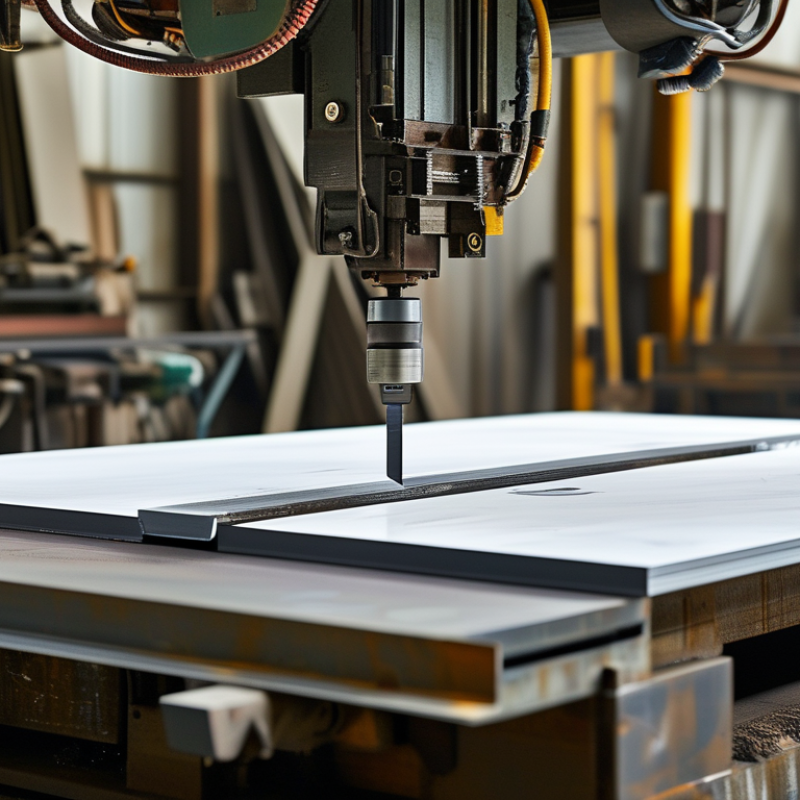
A swing beam cutting machine uses a pivoting upper blade to shear metal sheets along a straight line. Its typical capacity ranges from 0.5 to 6 mm, depending on the machine design and material. The lower blade supports the sheet while the upper blade swings through a controlled cutting path. This action produces clean cuts with limited material distortion. Mild steel commonly fits this range. Stainless steel and aluminum usually require different capacity settings.
The 6 mm figure can mislead. It often describes mild steel, not every material. A practical check includes sheet thickness, tensile strength, cutting length, and blade clearance.
In workshop use, incorrect clearance may leave burrs or a slightly twisted edge. Small details matter. A properly adjusted back gauge helps repeat short production runs.
However, thin sheets can still move during cutting, especially when support arms are poorly positioned.
Confirm the rated capacity before cutting. Set blade clearance for the actual material. Keep the sheet flat against the gauge. Inspect the first cut closely. A small burr may indicate an adjustment problem, not a bad blade. Regular blade inspection also improves accuracy, although it is easy to overlook during busy production.

A swing beam cutting machine uses a hydraulic system to drive the upper blade through sheet metal. A pump sends oil through control valves into hydraulic cylinders. The cylinders lower the beam with controlled force and speed. A separate hold-down circuit grips the sheet before cutting. This prevents lifting, vibration, and uneven edges.
The 0.5°–2.5° shear angle is not a decorative specification. It controls how the blade enters the material. A smaller angle creates a flatter cut path, but peak force can rise. A larger angle spreads cutting across the blade, reducing instantaneous load. However, it may increase strip twisting, especially on narrow parts. Angle selection must match thickness, tensile strength, blade clearance, and workpiece width. Real workshops often discover that the marked angle is not the whole truth. Blade wear and hydraulic pressure variation also matter.
The World Steel Association’s World Steel in Figures 2024 reports approximately 1.89 billion tonnes of crude steel production in 2023. That scale highlights why repeatable shearing remains important across fabrication work. Yet production volume does not guarantee accuracy. ISO 230-2 measurement principles can help verify positioning performance, while routine checks should record oil temperature, cylinder synchronization, blade gap, and cut squareness. Operators should inspect the first piece closely. A clean edge may still hide excessive burrs. Small corrections are often necessary.
A swing beam cutting machine shears sheet metal by pivoting its upper blade through a controlled arc. In practical operation, the operator places the sheet against the back gauge and checks the cutting length. Blade clearance must match the material thickness and grade. A small error can create burrs, distortion, or unnecessary blade wear.
When the cycle starts, hydraulic hold-downs press the sheet firmly against the table. This clamping step limits movement during the cut. The upper beam then swings downward around its pivot point. The blade enters the sheet progressively, rather than striking the entire width at once. After separation, the beam returns to its starting position. One stroke is complete. At 10–30 strokes per minute, cycle timing depends on sheet size, thickness, and handling distance.
Thin mild steel may allow faster strokes, while thicker plate usually needs a slower rhythm. I would not chase 30 SPM automatically. Speed can expose poor clearance settings and unstable material support. On the shop floor, operators should inspect the cut edge after several strokes. Look for a clean edge, limited burrs, and consistent dimensions. The process is not perfectly forgiving. A sheet can shift slightly, especially when its offcut becomes narrow. That small movement may reveal a setup problem before it damages a larger batch. Regular checks of clamps, blade edges, and the back gauge also support reliable production.
A swing beam cutting machine uses a pivoting upper blade to shear metal sheets cleanly. The blade descends through a controlled arc, while a hydraulic system supplies steady cutting force. In daily production, positioning accuracy often matters more than impressive maximum power.
A ±0.05 mm positioning specification can help the back gauge place each sheet consistently. This supports repeatable dimensions across batches. It does not automatically guarantee ±0.05 mm cutting accuracy.
Width is another practical factor. Machines covering 1,000–4,000 mm can suit different fabrication layouts and sheet sizes. A 1,000 mm model may fit compact workshops and smaller components. A 4,000 mm machine handles wider panels but demands more floor space and careful alignment.
Wider capacity is not always better. It can increase setup time, blade deflection, and material-handling demands.
In machine inspections, I check the back gauge, blade gap, hydraulic pressure, and table flatness. These details affect the final edge. Temperature changes can also influence measurements. A clean scale and calibrated measuring tools are essential.
Operators should test several cuts, not just one. The first result may look excellent. Repetition reveals more.
A specification can look perfect on paper. In real work, worn blades and uneven sheets reduce consistency. Regular calibration helps, but it cannot correct every mechanical problem.
Buyers should request positioning test records, usable cutting width, and tolerance conditions before installation. That evidence is more useful than a large capacity number alone.
A swing beam cutting machine uses a pivoting upper blade to shear metal against a fixed lower blade. It suits mild steel sheets, narrow plates, duct panels, brackets, and general fabrication work. The cut is usually fast and clean when the material lies flat. Operators should check thickness, width, and machine capacity before every production run. A familiar job can still hide a mistake.
Blade life depends on more than cutting volume. Excessive thickness, incorrect blade clearance, poor alignment, and dirty work surfaces can damage the cutting edges. Correct clearance helps prevent rough edges and excessive burrs. Regular inspection may reveal small chips before they spread. Blades can often be rotated or reground, but the allowable service method depends on the machine design. I would not judge blade condition by appearance alone.
Safety limits are firm. Never exceed the rated mild steel thickness or cutting length. Keep hands away from the blade line, and use guards, hold-downs, and suitable eye protection. Long sheets need stable support to prevent sudden movement. The operator should stand clear of falling offcuts and avoid reaching beneath the beam. Stop the machine before removing scraps or adjusting clearance. Lockout procedures matter during maintenance. Even experienced workers sometimes rely too heavily on routine, and that habit deserves regular correction.