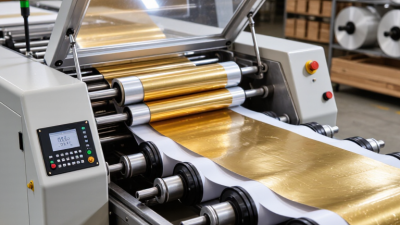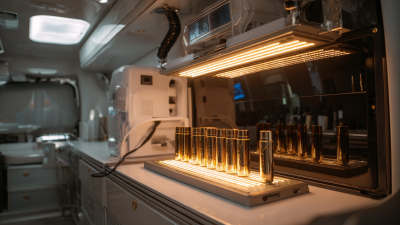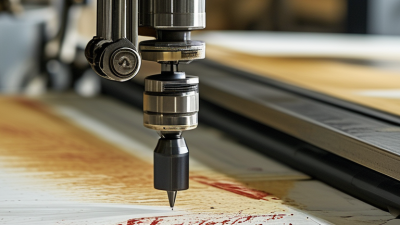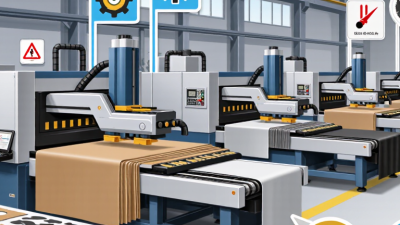
Choosing a Bronzing Machine is not just a matter of comparing prices or production speeds. The right equipment should suit your materials, order sizes, finishing style, and available workspace. A sample sheet can reveal details that a brochure cannot: foil coverage, edge sharpness, pressure consistency, and how the finished piece feels in the hand. Small differences matter.
A reliable buying decision also depends on practical questions. What is the machine’s setup time? Can operators adjust temperature and pressure with confidence? Are replacement parts and technical support easy to access? A compact model may fit a busy workshop, while a higher-capacity system may better serve repeated, larger runs. Neither choice is automatically best. It depends on the work you actually produce.
A note on expertise: no source articles or verifiable Bronzing Machine industry expert quotation were provided, so I will not invent a person or quote. One useful principle for this guide is: “Test the finish on your own material before committing to a machine.” Treat that as practical editorial advice, not a quotation from a named expert. The sections ahead can help you compare machine types, key specifications, operating needs, and long-term costs. They can also help you spot a mismatch between impressive features and everyday requirements. A test run is essential. Even careful buyers can overlook maintenance demands or underestimate setup time. That deserves a second look.
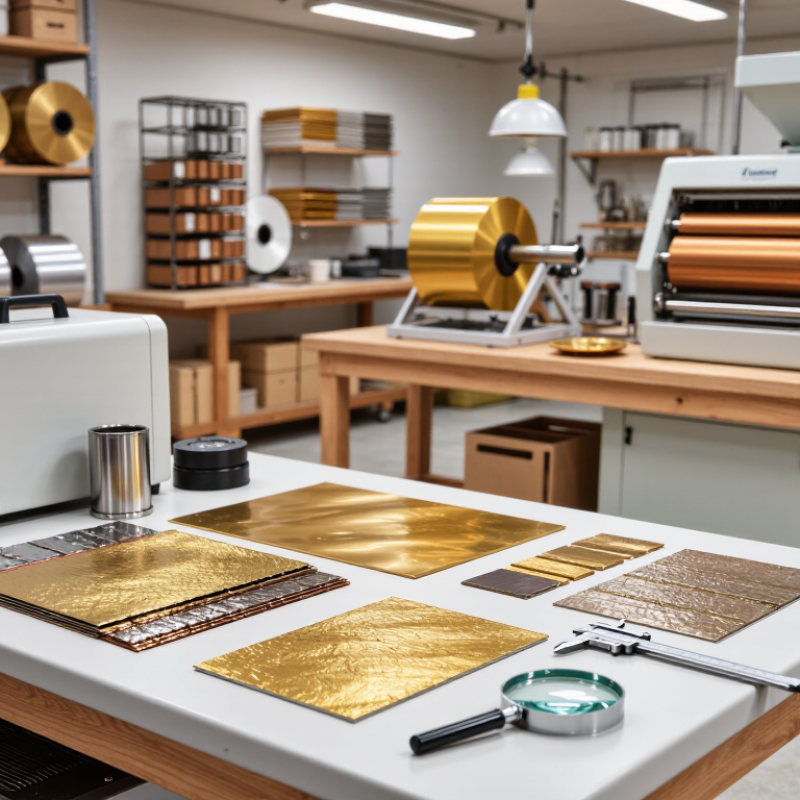
Start with the service. Will clients want quick, even spray tans, or a different bronzing method? These needs call for different equipment, room layouts, and staff workflows. Estimate weekly appointments, peak-day demand, and average service time before comparing machines. A compact unit may suit a solo studio, while a busy salon may need faster setup and easier cleaning. Check how the equipment handles your preferred solution and whether its output looks consistent across arms, shoulders, and ankles.
The International Spa Association’s 2024 U.S. Spa Industry Study reported $21.3 billion in spa revenue and 182 million visits in 2023. That signals a large service sector, not guaranteed demand for bronzing specifically. Use local booking data, customer surveys, and competitor menus to test your opportunity. Also set a realistic budget that includes training, maintenance, consumables, and downtime. A forecast is only a starting point; bookings may surprise you.
Tips: Ask suppliers for a live demonstration using your intended products. Compare spray consistency, cleaning time, noise, and setup steps. Record the results. If possible, test the machine with staff before buying, then reconsider your choice after a small trial period.
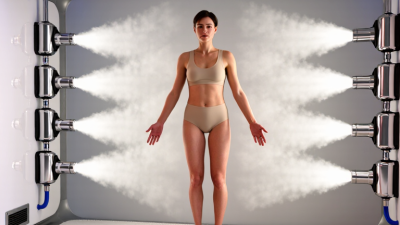
Bronzing machines serve different needs. UV beds and stand-up booths expose the body to ultraviolet light; spray-tan systems apply a bronzing solution instead. Beds suit clients who prefer a reclined session, while stand-up booths can fit quick-turnover schedules. Handheld airbrush systems offer more control around the face, hands, and ankles. Automated spray booths may handle more clients, but need enough room for ventilation, cleaning, and overspray control.
Demand figures need careful reading. Grand View Research estimated the global self-tanning products market at about US$1.1 billion in 2023, with growth projected through 2030. That report tracks products, not machine sales, so it signals consumer interest rather than equipment demand. A small distinction, but an important one. For UV equipment, the International Agency for Research on Cancer classifies UV-emitting tanning devices as carcinogenic to humans. Businesses should weigh that health concern and local requirements before considering this category.
Match the machine to the service, room size, and staff training. Check spray consistency on test cards, access to replacement parts, and how long daily cleaning takes. Ask suppliers about airflow and solution compatibility. A machine that looks efficient in a brochure may feel cramped in a narrow treatment room. There is no perfect fit; even a careful choice may need adjustment after real client bookings begin.
Before comparing machines, clarify whether “bronzing” means sunless spray tanning or UV tanning. The equipment, ventilation, and safety requirements differ. For a spray service, estimate capacity from appointment length, opening hours, and realistic utilization. An eight-hour day, 15-minute sessions, and 70% utilization allow about 22 appointments per machine. Allow extra time for cleaning and delays. It adds up.
Assess the whole setup, not just the unit. Check nozzle consistency, adjustable spray settings, overspray capture, filter access, noise, power supply, and available floor space. Ask the supplier for airflow and electrical specifications, then compare them with your room’s ventilation and circuits. A compact machine may suit a single room, while a busy salon may need faster cleaning and readily available replacement parts. Test the machine with your actual service routine; a neat specification sheet can miss awkward cleanup.
Market growth is useful context, not a sales forecast. The Global Wellness Institute’s 2023 Global Wellness Economy Monitor estimated the global wellness economy at $5.6 trillion in 2022. Local demand still depends on customer habits, pricing, and seasonality. If considering UV equipment, review the IARC Monographs, Volume 100D (2012), which classifies UV-emitting tanning devices as carcinogenic to humans. That distinction deserves careful thought. Keep supplier claims, room measurements, and maintenance needs in your comparison; I would not choose on capacity alone.
| Evaluation Area | What to Check | Practical Planning Guidance | Why It Matters |
|---|---|---|---|
| Daily production volume | Expected number of finished pieces per shift, including setup and changeovers. | Estimate from actual orders and allow time for make-ready, material loading, inspection, and downtime. Request a sample run using your artwork and substrate. | Advertised cycle speed does not equal finished output; job complexity and operator handling affect throughput. |
| Work area and format | Maximum sheet or workpiece size, stamping area, and usable platen dimensions. | Match the machine to your largest regular job, not only your average job. Confirm allowable material thickness and clearance. | An undersized work area can require extra passes or prevent certain jobs from being produced. |
| Machine configuration | Manual, semi-automatic, or automatic feeding and cycle operation. | Manual systems can suit short runs and frequent changeovers; automated feeding may benefit repeat, higher-volume work but needs suitable setup and operator training. | Automation affects labor, consistency, setup time, floor space, and total investment. |
| Temperature control | Heating range, temperature stability, zone control, and sensor placement. | Confirm the required operating range with the foil and substrate suppliers; test temperature, pressure, and dwell time together on production materials. | Foil transfer quality depends on process settings and material compatibility; a wider range alone does not guarantee a better result. |
| Pressure and impression control | Available pressure, adjustment method, platen parallelism, and pressure repeatability. | Ask for the rated force and usable impression area, and verify results across the full working surface with your die and stock. | Uneven or poorly controlled pressure can cause incomplete transfer, crushed material, or inconsistent impressions. |
| Foil handling and registration | Foil feed, take-up, indexing, registration guides, and support for the required foil width. | Check foil-roll dimensions, feed direction, index settings, and alignment method against your designs and job lengths. | Reliable indexing and alignment help reduce foil waste and registration errors. |
| Substrate compatibility | Paper, board, coated stock, labels, leather, or other intended materials; supported thickness and surface characteristics. | Provide representative samples to the supplier and test each important substrate, coating, and foil combination before purchase. | Transfer performance varies with surface, coating, thickness, and foil formulation. |
| Electrical and site requirements | Voltage, phase, frequency, rated power, plug or wiring needs, ventilation, and installation clearances. | Use the machine nameplate and installation manual to confirm compatibility with your facility; arrange qualified electrical installation where required. | Electrical supply and site conditions vary by machine and location; do not assume a standard connection. |
| Safety and operator access | Emergency stop, guarding, pinch-point protection, hot-surface warnings, and safe access for loading and cleaning. | Review applicable local safety requirements and the supplier’s risk and maintenance documentation before installation. | Hot tooling and moving press components require appropriate safeguards and operator procedures. |
| Tooling and changeover | Die mounting method, tooling availability, setup access, and time required to change jobs. | Confirm tooling dimensions and mounting compatibility; include die preparation and changeover time in capacity planning. | Tooling compatibility and changeover effort influence both job flexibility and usable production time. |
| Maintenance and support | Consumables, maintenance schedule, spare-part availability, training, warranty terms, and service response. | Request a written maintenance plan, parts list, training details, and support terms before committing. | Serviceability affects equipment uptime and long-term operating cost. |
| Total cost of ownership | Purchase and installation cost, tooling, foil consumption, labor, energy, maintenance, and expected utilization. | Compare total operating costs over a consistent period and production mix, rather than comparing purchase price alone. | A lower initial price may not represent the lowest cost per acceptable finished piece. |
Note: Specifications and output vary by machine design, tooling, substrate, foil, operator, and job setup. Treat planning guidance as a checklist and confirm all technical values with the machine supplier.
Choosing a bronzing machine starts with understanding how it works. A spray system and a light-based unit have different safety needs. Ask the supplier for operating instructions, protective measures, and recommended room conditions. Check the power cable, emergency stop, and ventilation before purchase. Small details matter.
For spray equipment, look for clear guidance on airflow, solution handling, and cleaning between clients. A visible filter and removable parts can make routine care easier. For light-based equipment, review exposure controls and required eye protection. Do not rely on sales claims alone; ask for technical documents and staff training. Keep a simple maintenance log with dates, filter changes, and service notes. It may feel excessive at first, but missed checks can lead to downtime.
Compare the full operating cost, not just the purchase price. Include electricity, consumables, replacement filters, cleaning products, staff time, and planned servicing. Ask how often parts need replacement and whether service is available locally. A low-cost machine can become expensive when supplies are hard to find. Estimates are imperfect, of course. Track actual use during the first few months and revise your budget as real costs emerge.
Compare suppliers on more than the machine’s quoted price. Ask for a written breakdown covering installation, staff training, consumables, servicing, and expected delivery time. The International Spa Association’s 2024 U.S. Spa Industry Study reported $21.3 billion in spa revenue and 181 million visits in 2023. That scale makes dependable service important, but it does not guarantee demand for bronzing services at your location. Check local customer interest before committing.
Read the warranty line by line. Confirm coverage for parts, labor, shipping, and technician visits, plus exclusions for routine wear. Ask how quickly the supplier can provide replacement parts and whether maintenance must be performed by approved technicians. Compare outright purchase, financing, and leasing by calculating total payments and end-of-term costs. A lower monthly figure can hide a costly contract. I would not assume the cheapest unit is a bargain; downtime during a busy week can erase the savings.
Tips: Request two written quotes using the same specifications. Ask each supplier to demonstrate cleaning and routine maintenance, and keep the answers on file. For UV equipment, verify applicable safety documentation; for spray systems, check ventilation needs and compatible solutions before ordering.
Compare suppliers, warranty terms, and purchase options before making a decision.
The bars count practical checks in this buyer checklist, not market averages or supplier ratings. Review supplier service, parts, installation, training, and references; warranty term, covered parts, labor, and exclusions or claims; and purchase price, financing fees, lease terms, and total cost.