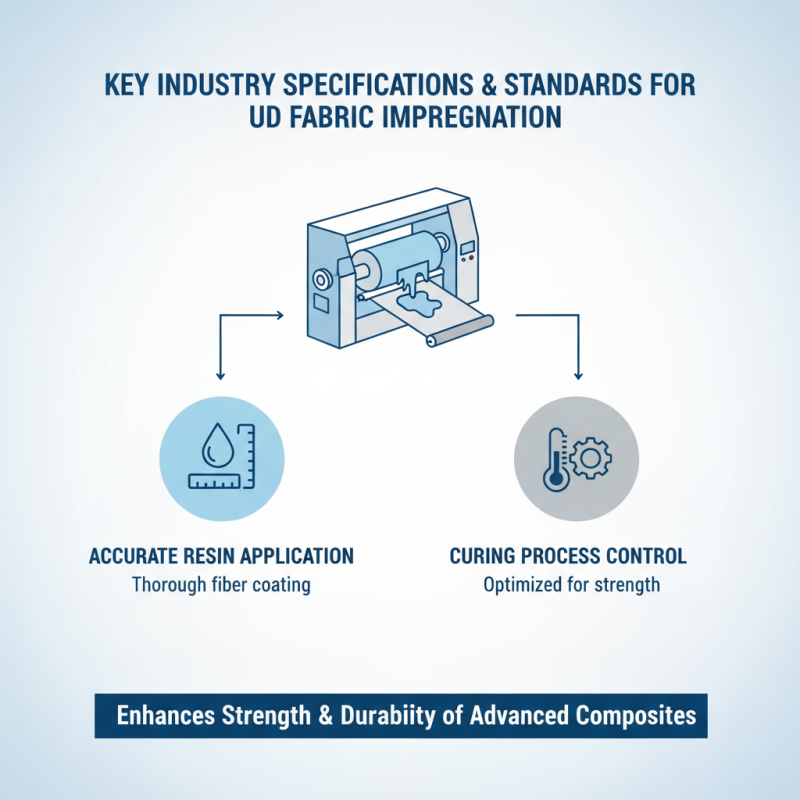
What is an Impregnation Machine for Ud Fabric and How It Works?
The "Impregnation Machine for Ud Fabric" plays a vital role in various industries, particularly in manufacturing and textile processing. This machine is specifically designed to enhance the properties of Ud fabrics, making them more durable and functional. It uses advanced techniques to infuse the fabric with specific substances, providing features like water resistance and increased strength. By understanding its operation, businesses can achieve better product performance and address customer needs effectively.
In the realm of fabric treatment, attention to detail is crucial. Users must comprehend the complex mechanisms of this machine. The process involves controlled application of the impregnating agent, ensuring uniformity. However, inconsistencies can arise if not monitored closely. This highlights the importance of expertise when operating such equipment. Any oversight may lead to subpar results, affecting the quality of the final product.
Moreover, the significance of an impregnation machine goes beyond mere functionality. Selecting the right machine is a significant investment and requires thorough research. Companies must weigh the benefits against potential challenges. Success depends on a clear understanding of both operational protocols and material characteristics. This knowledge builds trust and enhances reliability within the textile market.
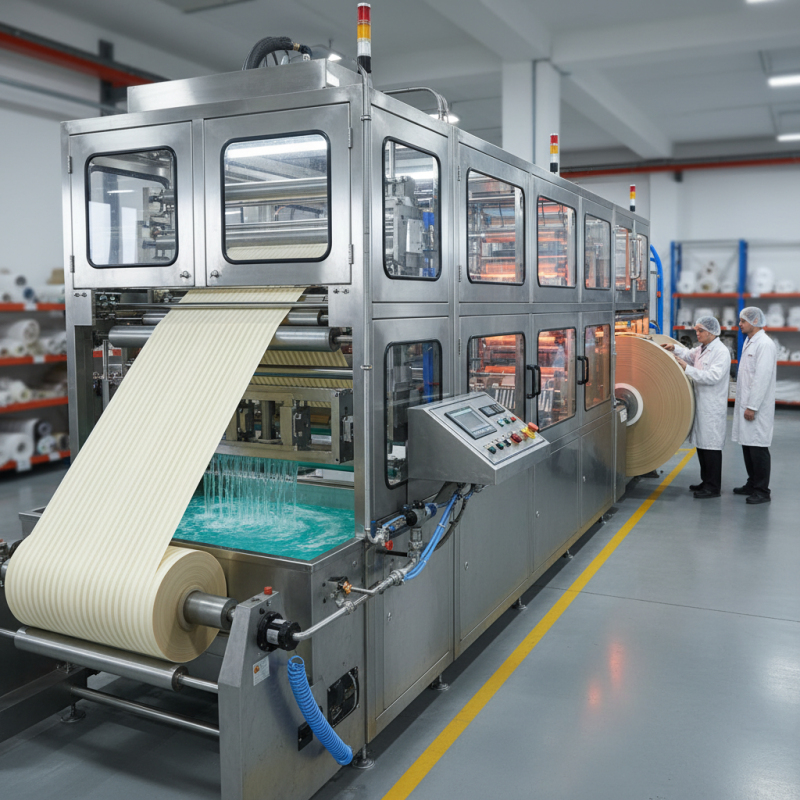
What is an Impregnation Machine for Ud Fabric?
Impregnation machines for UD fabric play a crucial role in various industries, especially in aerospace and automotive sectors. These machines apply resin to unidirectional (UD) fabrics, enhancing their mechanical properties. A report by Composites World indicated that composites production is expected to reach 10 million metric tons by 2024. This growth signifies the rising importance of effective impregnation processes.
The functionality of an impregnation machine involves several steps. First, the UD fabric is unwound and passed through resin tanks. The fabric then undergoes a series of rollers that evenly coat it with resin. Precision is vital; uneven application can lead to weak points in the final product. An industry analysis from TechNavio showed that 35% of quality issues in composites arise from improper impregnation.
Despite their benefits, there are challenges to consider. Not all impregnation machines maintain the same efficacy under various temperatures. Some may require frequent maintenance, leading to downtime. The complexity of the process can sometimes lead to inconsistencies in resin saturation. Continuous technological advancements aim to address these flaws, striving for better efficiency and reliability in production.
The Role of Impregnation in Enhancing Ud Fabric Performance
Impregnation plays a crucial role in enhancing the performance of UD fabrics, which are widely used in various industries such as aerospace and automotive.
This process involves applying a resin or polymer to the fabric, filling voids and increasing its integrity. Research indicates that impregnated UD fabrics can achieve strength improvements of up to 30%. This significant enhancement makes them more effective in high-stress applications.
The effectiveness of impregnation is not solely about strength. It also influences other properties, such as moisture resistance and durability. A study found that moisture uptake in untreated UD fabrics can be as high as 5%, which negatively impacts mechanical properties. However, properly impregnated fabrics can reduce moisture absorption to below 1%. This is vital for applications where environmental exposure is a concern.
Despite these benefits, the impregnation process isn't flawless. Achieving consistent results can be challenging. Variability in resin application may lead to weak spots, which can diminish the overall performance of the fabric. Recognizing these potential pitfalls is essential in improving manufacturing techniques and ensuring high-quality output in the UD fabric industry.
Mechanisms of Impregnation Machines: How They Operate
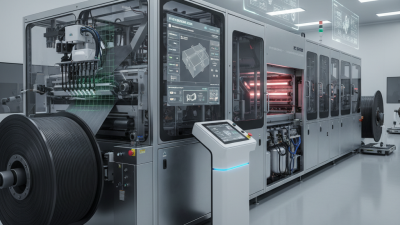
Impregnation machines are vital in treating UD fabric. These machines apply a resin or polymer to enhance the fabric's properties. The impregnation process creates a strong bond between fibers and the impregnant. This results in improved durability and performance.
The operation of impregnation machines relies on precise mechanisms. It typically involves unwinding the fabric from a roll. The fabric then passes through a resin bath. This ensures even distribution of the resin. The material is then subjected to heat and pressure, promoting thorough absorption. It's impressive how even a small miscalculation can alter the final product's quality.
Some challenges exist in the impregnation process. For instance, achieving uniform resin coverage can be tricky. Variations in fabric tension may lead to uneven application. Additionally, maintaining the correct temperature and pressure requires constant monitoring. These factors influence the efficacy of the process and the overall properties of the UD fabric. Understanding these intricacies helps improve production outcomes.
Impregnation Machine Efficiency for Different Fabrics
Applications and Benefits of Impregnated Ud Fabrics in Various Sectors
Impregnated UD (unidirectional) fabrics are increasingly utilized across various sectors due to their exceptional properties. These fabrics, treated with specialized resins or coatings, deliver enhanced mechanical performance and durability. This makes them a preferred choice in industries such as aerospace, automotive, and construction. According to industry reports, the market for UD fabrics is projected to reach $1.5 billion by 2026, emphasizing their growing significance.
In aerospace, impregnated UD fabrics are crucial for lightweight structures. Their superior strength-to-weight ratio improves fuel efficiency and performance. Applications in the automotive industry focus on safety and efficiency. Reinforced components made from impregnated fabrics enhance vehicle longevity and crash resistance. A recent study by Composite Materials Market Insights notes that composite materials, including UD fabrics, will represent over 40% of total industry growth in the next five years.
Despite the benefits, challenges remain. The impregnation process can be intricate, often requiring precision to maintain uniformity. Variability in resin types can lead to performance inconsistencies. It is essential to select the right combination to meet specific needs. Quality control is vital to avoid manufacturing defects. These considerations highlight the need for continual evaluation in the production of UD fabrics.





 Wechat: ANNIELV88