How to Choose the Best Die Cutting Machine for Your Needs?
Choosing the right die cutting machine can profoundly impact your crafting and business projects. With numerous options available, the selection process may seem daunting. Each machine offers unique features tailored to various needs. Understanding these attributes helps you choose wisely.
Consider your specific requirements before purchasing. Think about the materials you plan to cut. Do you work with paper, fabric, or thicker materials? Some machines perform better with specific mediums. Also, examine the machine’s versatility. Can it handle intricate designs, or is it limited to basic shapes?
It's important to reflect on your experience level. New users may prefer a more user-friendly model. In contrast, experienced crafters might seek advanced capabilities. Research is crucial. Look for reviews and testimonials from users. They provide insight into each machine’s reliability. Ultimately, the best die cutting machine is one that aligns with your needs and style.
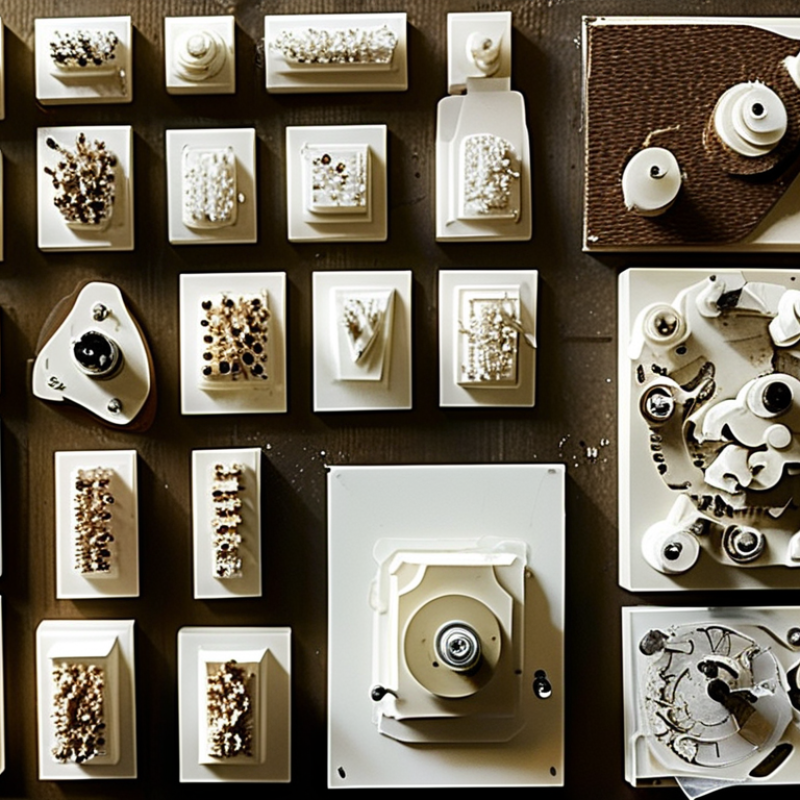
Understanding Die Cutting Machines and Their Uses
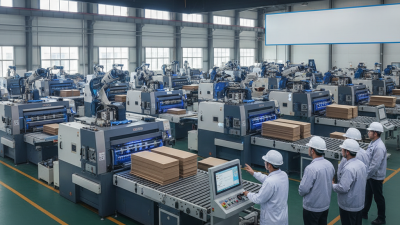
Die cutting machines play a vital role in various industries, including craft, manufacturing, and packaging. These machines use steel dies to cut material into specific shapes and sizes. According to industry reports, the die-cutting machine market is expected to grow significantly, reaching around $6 billion by 2025. Understanding their different types and applications helps users make informed decisions.
Tip: Identify your main projects before choosing a machine.
Assess whether you need precision cutting for intricate designs or larger formats for bulk production. Each type of machine has its strengths and weaknesses.
Die cutting machines can handle various materials, including paper, fabric, and foam. Some advanced models are compatible with digital files, allowing for increased design flexibility. However, potential users must reflect on their production volume and specific requirements. Not all machines are suitable for high-volume tasks.
Tip: Regular maintenance is crucial. Clean your machine and replace worn dies to ensure optimal performance. An overlooked machine can lead to inconsistencies and wasted materials.
Types of Die Cutting Machines: Manual vs. Digital
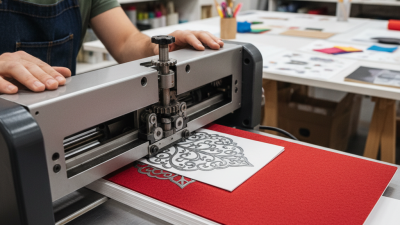
When choosing a die cutting machine, understanding the differences between manual and digital options is crucial. Manual die cutting machines rely on physical pressure. Users turn a crank or press a lever. This tactile experience gives a sense of control. Many crafters enjoy the hands-on nature. However, it requires physical effort and may be limited in design complexity. Projects with intricate designs might take longer to complete.
Digital die cutting machines offer more convenience and versatility. They require software to create designs. Users can cut various materials with precision. Some machines allow for 3D effects, which can be stunning. However, the technology can feel overwhelming to beginners. It also involves a learning curve to master the software. Inaccessible manuals or unclear instructions can lead to frustration.
Finding the right machine often requires personal reflection. Evaluate your crafting style and project needs. Consider the learning time and effort you’re willing to invest. A manual machine might suit simple projects, while a digital option could elevate complex designs. The choice often boils down to balancing effort, ease, and the excitement of creative possibilities.
Key Features to Consider When Choosing a Die Cutting Machine
Choosing a die cutting machine requires careful consideration of several features. First, think about the machine type. Manual, electric, and digital options each have distinct benefits. Manual machines can be portable and often more affordable. Conversely, electric options can save time, especially for larger projects.
Next, consider the cutting capacity. Some machines handle various materials, including paper, fabric, and cardstock. Others excel in specialized tasks. Understanding your primary projects will guide you here. Safety features are also essential. A good machine should have guards and easy-to-follow instructions, ensuring user safety and confidence.
Don't overlook the design flexibility. Machines that support multiple die sizes and shapes offer more creative possibilities. This versatility is vital for crafters looking to expand their skills. Ease of use should not be ignored, even for experienced users. A complicated machine can hinder creativity rather than enhance it. Reflect on your long-term crafting goals to choose wisely. This ensures your investment meets your evolving needs.
Evaluating Your Project Needs and Budget Constraints
When choosing a die cutting machine, it’s essential to evaluate your project needs carefully. Start by identifying the types of materials you'll work with. Will you cut through paper, fabric, or perhaps thinner materials? Each machine has unique capabilities. Understanding your primary projects helps narrow down your choices.
Next, consider your budget constraints. Machines can vary widely in price. Some lower-cost options may lack features needed for more intricate projects. It’s easy to underestimate costs associated with blades and mats. If you frequently change materials, think about the ongoing costs. Evaluate how often you plan to use the machine as well.
Casual users may not need high-end options, while regular crafters might benefit from investing more.
Additionally, reflect on the space available for your die cutting machine. Large machines require more room but can handle bigger projects. Smaller options are portable and easier to store but might limit your work. Balancing space and functionality is crucial. Each decision impacts both your creative freedom and financial investment, requiring careful thought.
Top Brands and Models in the Die Cutting Machine Market
When considering the die cutting machine market, several top brands consistently stand out. According to a 2023 industry report, nearly 40% of consumers prefer machines that offer versatility in materials. Many users appreciate die cutters that can handle a range of functions, from basic to intricate designs. Models equipped with electronic features tend to attract more users, reflecting the industry's shift towards technology-driven solutions.
Though well-known brands dominate the market, emerging players are gaining traction. More than 30% of users report satisfaction with newer models that provide innovative features at competitive prices. Many of these machines aim to simplify the crafting process, making them appealing to beginners. User reviews highlight that while performance is crucial, the ease of use also plays a significant role in purchasing decisions.
However, it's essential to consider the longevity and support options provided by manufacturers. Over 50% of machine owners express concerns about durability after frequent use. This suggests that while many models boast impressive capabilities, not all are built to last. Ultimately, it’s vital for users to weigh their options carefully, balancing immediate needs with long-term investment.
How to Choose the Best Die Cutting Machine for Your Needs?
| Model |
Cutting Size (inches) |
Material Compatibility |
Weight (lbs) |
Price Range ($) |
| Model A |
12 x 12 |
Paper, Vinyl, Fabric |
10 |
150 - 200 |
| Model B |
14 x 14 |
Cardstock, Leather |
15 |
200 - 300 |
| Model C |
10 x 10 |
Paper, Chipboard |
8 |
100 - 150 |
| Model D |
12 x 24 |
Vinyl, Fabric, Felt |
18 |
250 - 350 |
| Model E |
16 x 16 |
Paper, Fabric, Wood |
20 |
300 - 400 |




 Wechat: ANNIELV88