Best Impregnation Machine For Ud Fabric For Global Buyers?
In the dynamic textile industry, the demand for high-quality UD fabric is rising. Global buyers seek advanced solutions, particularly the Impregnation Machine For Ud Fabric. According to a recent report by MarketsandMarkets, the impregnation machinery market is projected to grow at a CAGR of 5.6% from 2023 to 2028. This growth highlights the urgency of selecting the right machinery.
Industry expert Dr. Alan Reed states, “The efficiency of the Impregnation Machine For Ud Fabric directly impacts production quality.” His insights illuminate the crucial role of technology in enhancing fabric properties. Many manufacturers struggle to balance quality with productivity. This challenge often leads to inconsistent results, which can affect end products.
As buyers navigate their options, it’s essential to consider machine specifications and supplier reliability. Many machines seem promising but lack proven results. Conducting thorough research and consultations is vital. Quality assurance measures should be prioritized. Only then can the benefits of an Impregnation Machine For Ud Fabric be fully realized in production.
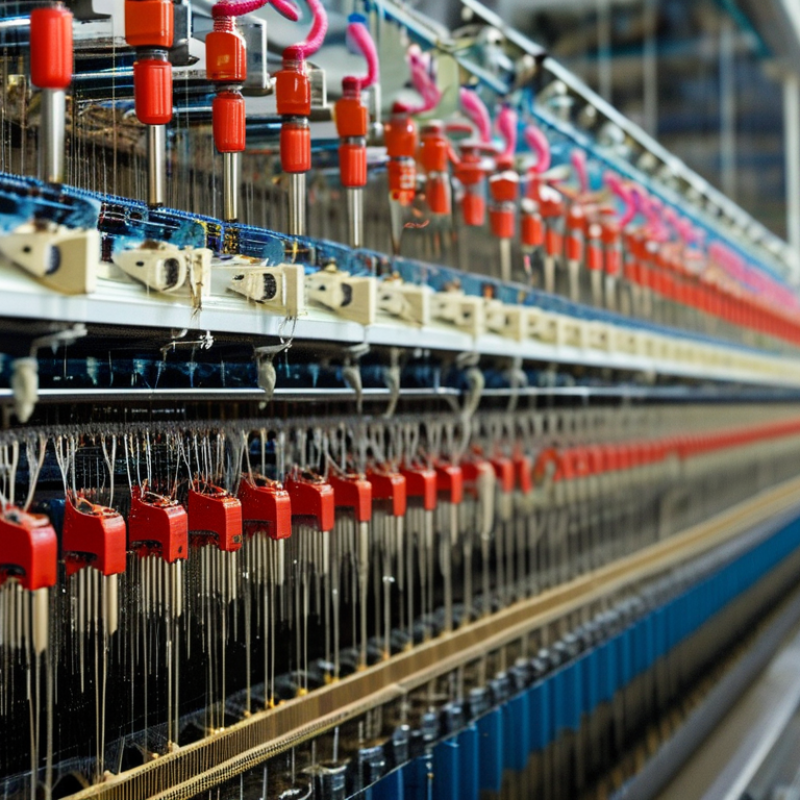
Best Impregnation Machines: Overview of Functionality for UD Fabric
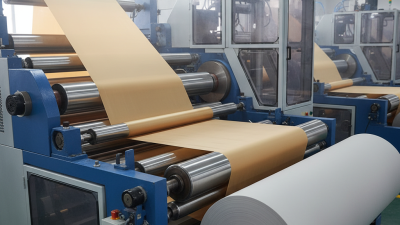
The impregnating machine plays a vital role in processing UD (unidirectional) fabric. These machines ensure consistent resin distribution, which is crucial for manufacturing high-performance materials. A well-functioning impregnator enhances the mechanical properties of UD fabrics. Buyers should seek machines that offer precise control over resin application and curing times.
Key functionalities include adjustable pressure settings and temperature control. These features allow for better penetration of resin into fibers. Additionally, a machine’s throughput is important—too slow can lead to production delays. However, speed should not sacrifice quality. Potential challenges include maintenance and calibration. Regular checks are necessary to prevent inconsistencies in the final product.
Understanding the intricacies of machine operation is important. Operators should be trained to handle potential issues. Experience reveals that even minor errors can lead to significant losses. Continuous improvement is essential; feedback from the production line can lead to more refined processes. Investing in quality machinery and training can ultimately enhance product reliability and performance.
Key Features of Impregnation Machines for Optimal UD Fabric Treatment
When selecting an impregnation machine for UD (unidirectional) fabric, it's crucial to understand the key features that can significantly improve treatment quality. Impregnation machines play a vital role in ensuring that the resin is properly infused into the fabric fibers. According to market data, optimal impregnation can enhance the mechanical properties of UD fabrics by up to 30%.
A reliable machine should offer precise temperature control and adjustable resin flow rates. These features allow for the fine-tuning needed to adapt to various fabric compositions. Additionally, vacuum-assisted systems can ensure even resin distribution, which is critical for avoiding weak spots in the material. Many industry experts recommend machines designed with user-friendly interfaces to aid operators in maintaining consistency.
Tip: Regular maintenance of impregnation machines is essential. Neglecting maintenance can lead to production discrepancies. Consider scheduling routine checks to improve overall efficiency.
Another important consideration is the machine's footprint. Space constraints can affect operational workflows. Some machines may require more space but offer superior performance and efficiency. It’s essential to weigh these factors carefully. The industry often overlooks the importance of operator training. Well-trained personnel can make a significant difference in processing efficiency and product quality.
Market Analysis: Demand and Trends in UD Fabric Impregnation Machines
The UD fabric impregnation machine market has experienced notable shifts recently. Manufacturers increasingly focus on eco-friendly processes, driven by customer demand for sustainable solutions. This trend highlights the importance of utilizing less harmful chemicals during the impregnation process. Additionally, advanced technology is now being integrated into these machines. Automation and smart controls enhance efficiency, resulting in better product quality.
Market analysis shows a rise in industries utilizing UD fabrics. Aerospace and automotive sectors particularly seek reliable impregnation solutions. This creates a steady demand for high-performance machines. However, challenges remain. The initial investment can be high, causing hesitation among potential buyers. Regular maintenance is crucial, often overlooked by new operators. Companies looking to enter this market must consider these factors carefully.
Revising the productivity levels is important as well. Some machines may not meet the expected efficiency standards, leading to production delays. Feedback from current users can provide valuable insights into potential improvements.Overall, while there are opportunities in the UD fabric impregnation machine market, buyers should remain cautious and evaluate their choices thoroughly.
Top Manufacturers and Their Innovations in UD Fabric Impregnation Technology
The global market for UD fabric impregnation machines is evolving rapidly. Manufacturers are embracing innovative technologies to enhance performance and efficiency. Many of these machines now integrate advanced automation features. This reduces human error and increases production speed. Manufacturers are also focusing on user-friendly interfaces. Operators can easily control and monitor the impregnation process, improving reliability.
Some companies are experimenting with eco-friendly materials in their machines. This reflects a growing trend towards sustainability in fabrication. However, challenges remain. Not all innovations meet industry standards, resulting in inconsistent quality. Additionally, the need for specialized training can complicate operations. It's crucial for manufacturers to prioritize transparency with their clients regarding these limitations.
Emerging technologies, such as IoT (Internet of Things), promise to improve monitoring capabilities. Real-time data collection can enhance decision-making. Yet, the implementation of such technologies requires careful consideration. Companies must balance automation with skilled labor forces. Not all regions have equal access to training or resources. This inequality can hinder advancements in adoption. The journey towards perfecting UD fabric impregnation technology is ongoing and requires collective effort.
Cost-Benefit Analysis: ROI on UD Fabric Impregnation Machines for Global Buyers
When considering the investment in impregnation machines for UD fabric, a cost-benefit analysis is essential. These machines are designed to enhance the fabric's performance and longevity. The upfront cost can be significant, but understanding the return on investment (ROI) is crucial. Many buyers find that the initial expenditure is justified by the increase in production efficiency and product quality.
Factors like energy consumption, maintenance, and operational efficiency must be measured. For instance, an efficient machine may lower energy costs. A breakdown, however, can disrupt production and lead to losses. Buyers should weigh the risks of potential downtimes against the benefits of higher output quality.
The variances in machine performance can be misleading. Some machines may promise high throughput but fail in real-world conditions. Conducting field tests can help inform purchase decisions. Ultimately, understanding the long-term savings versus initial costs is vital. Ensuring the right machine aligns with production goals can lead to sustainable profits.




 Wechat: ANNIELV88