


 Wechat: ANNIELV88


The Popular Activated Carbon Laminated Filter Fabric Technology
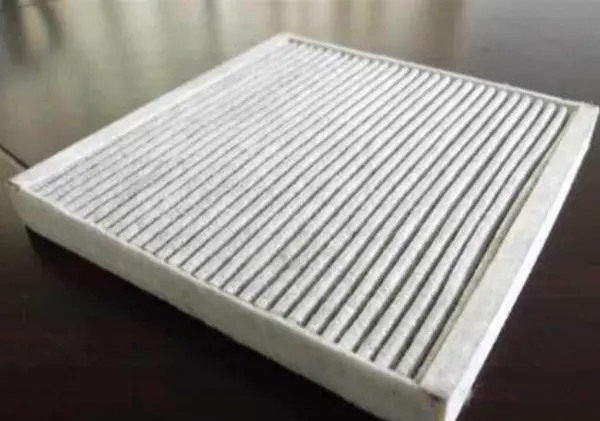
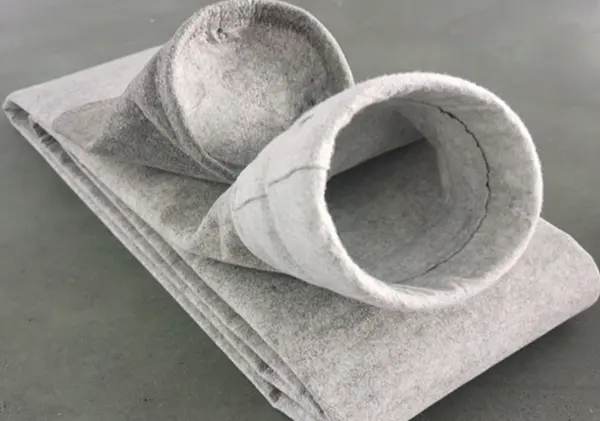
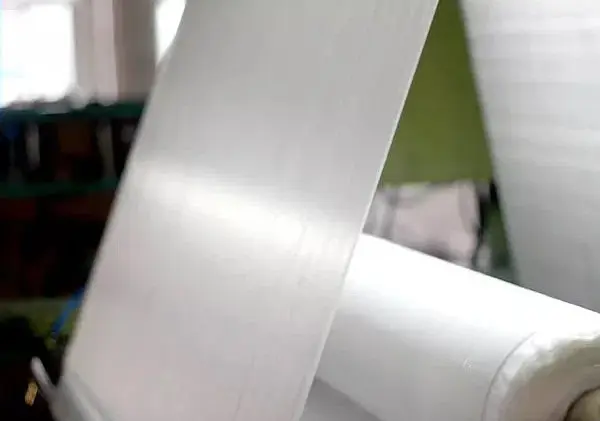
The activated carbon filter fabric, while maintaining the filtration performance of the filter fabric, also effectively forms an activated carbon adsorption layer on the surface of the non-woven fabric, thereby enhancing the adsorption performance of the activated carbon filter fabric.
Core Principles
By taking advantage of the physical adsorption of the developed micropores in activated carbon, it can capture formaldehyde, benzene, TVOC, and exhaust odors. It is often combined with HEPA/filters to simultaneously intercept PM2.5, dust, and pollen. There is no secondary chemical reaction, and it must be replaced when saturated.
Main Application Scenarios
- Air conditioning filter (for in-car purification): Commonly found in the passenger glove compartment or under the front windshield; priority use for new cars, in congested urban areas, and on hazy days; has an additional layer of carbon (granular or honeycomb carbon fabric) compared to ordinary filters.
- Charcoal canister (for fuel vapor control): Absorbs gasoline vapor from the fuel tank to prevent emission pollution and releases it into the engine for combustion at appropriate times.
- Purification fabric for the car roof, door panels, and seats (for VOC control in new energy vehicles).
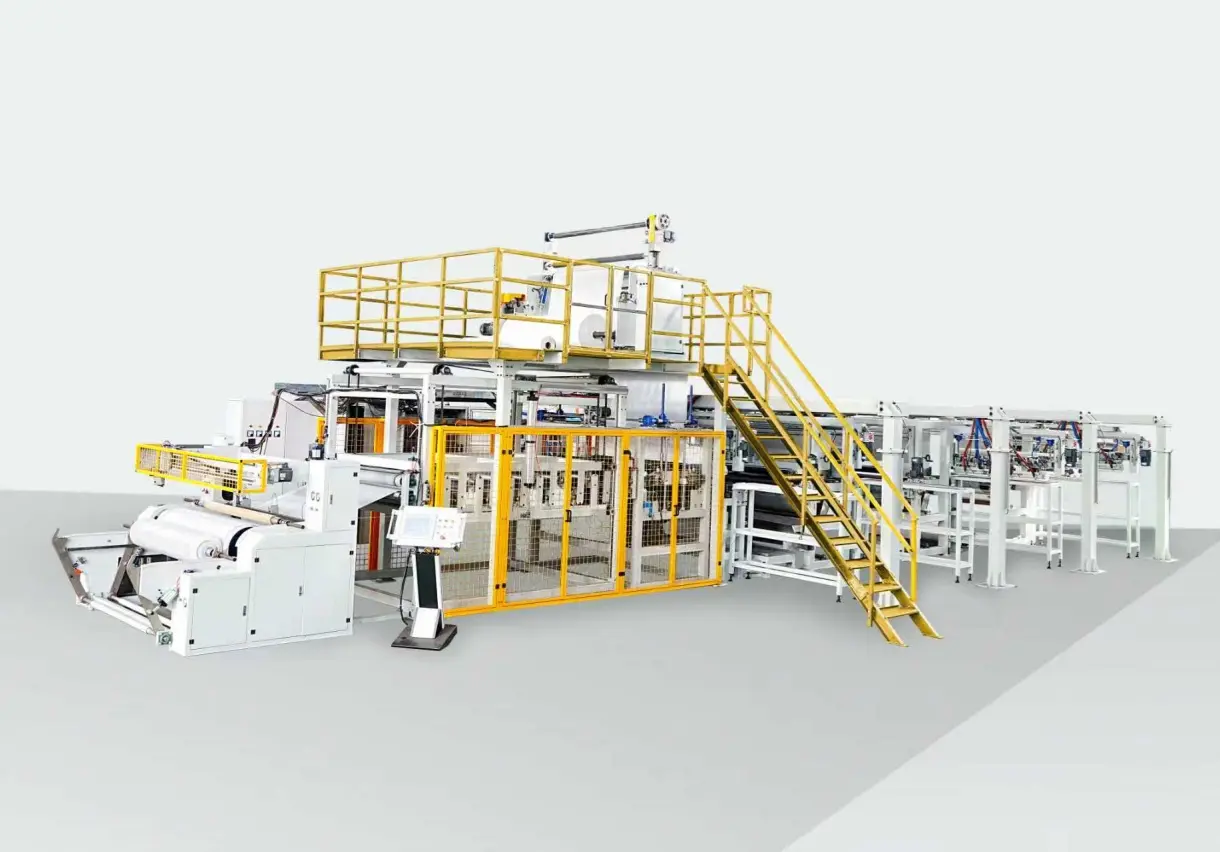
The Production Process of the Popular Activated Carbon Laminated Filter Fabric:
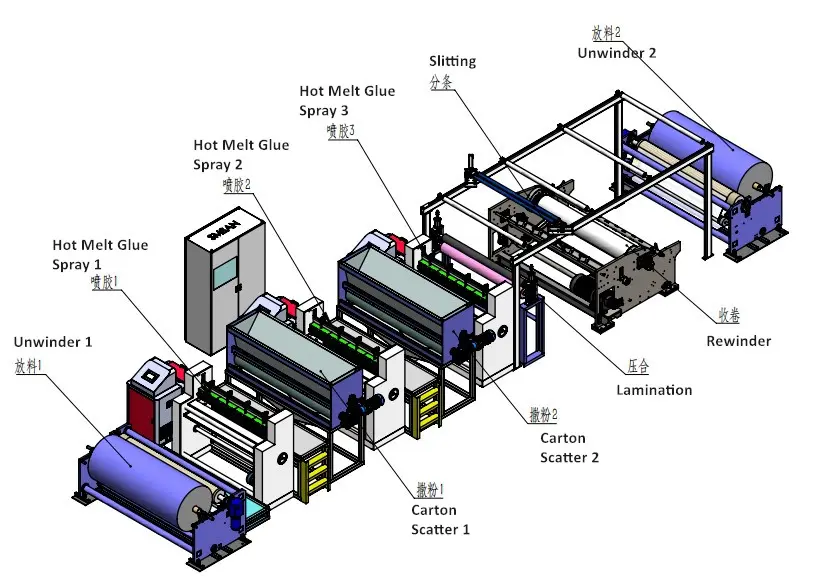
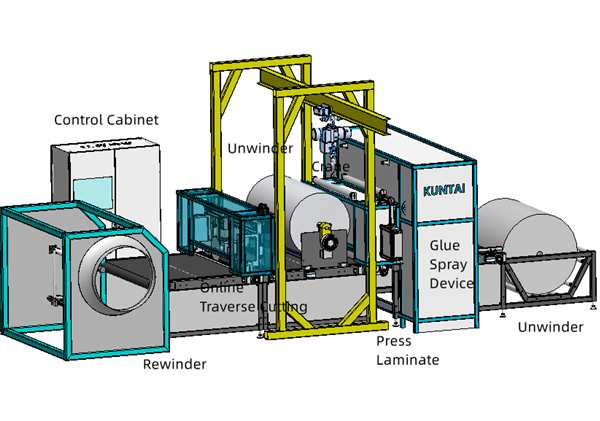
Non-woven fabric - Spray adhesive - Scatter activated carbon - Spray adhesive - Scatter activated carbon - Spray adhesive - Non-woven fabric - Press &Laminating - Rewinding
Note: The number of times and amount of spraying adhesive and scattering activated carbon depend on the specific requirements of the activated carbon content, filtration performance and air permeability of the filter cloth.
Technical Advantages (compared with pure carbon/ordinary filter cloth)
- Dual-effect integration: Simultaneous purification of particulate matter, VOCs, odors and formaldehyde
- No carbon drop: Composite process locks carbon, no secondary pollution
- Flexible and processable: Foldable and die-cuttable, suitable for complex filter cores.
- Automotive-grade durability: Temperature resistance from -40°C to 85°C, anti-aging, and long lifespan
- Cost controllable: 30–50% lower than pure activated carbon filter cores