Top Coating Lamination Machine Trends for Global Buyers?
The Coating Lamination Machine industry is evolving rapidly. Recent data from industry reports indicate a significant rise in demand, particularly in packaging and electronics sectors. By 2025, the market is expected to reach USD 1.5 billion, driven by a growing need for durable and protective coatings.
Buyers are looking for machines that offer high efficiency and adaptability. Features like automation and eco-friendly capabilities are now essential. As environmental regulations increase, companies must prioritize sustainability in their operations. However, some manufacturers struggle to meet these new standards while maintaining cost-effectiveness. This tension between innovation and compliance poses challenges to the industry.
Investing in cutting-edge Coating Lamination Machines is crucial for staying competitive. Global buyers need to reflect on their choices carefully. Ensuring quality while being mindful of environmental impact is not just a trend; it's a necessity. With these considerations, making informed decisions is vital for future success in this growing market.
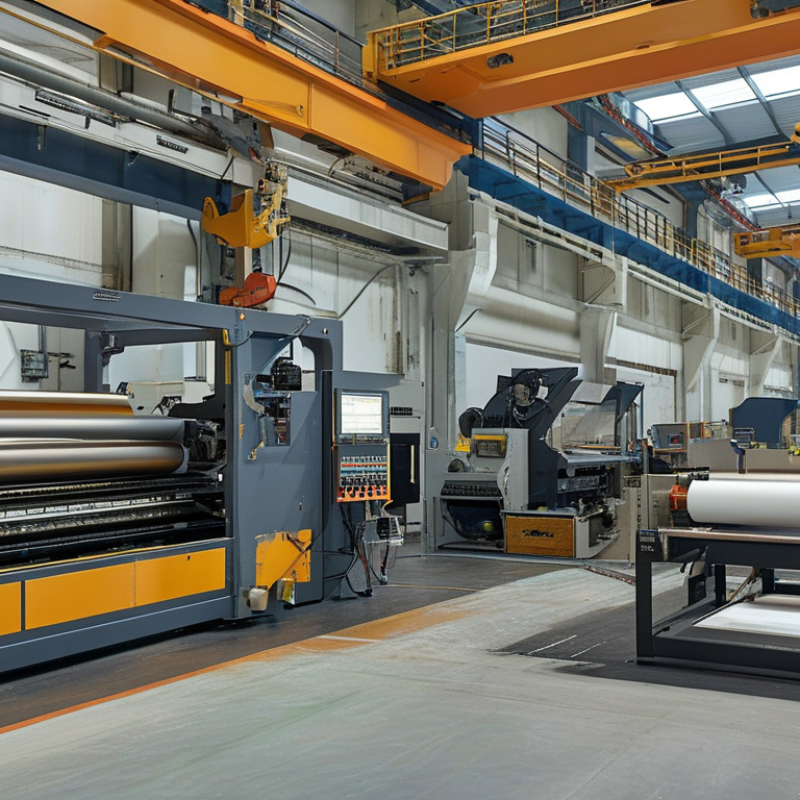
Current Innovations in Top Coating Lamination Machines
The field of top coating lamination machines is evolving rapidly. Innovations are focusing on enhancing efficiency and versatility. New technologies are being integrated into these machines, allowing for better adhesion and durability. Many manufacturers are experimenting with eco-friendly materials. This shift is driven by a growing demand for sustainable options.
Tips: When selecting a machine, consider its ease of maintenance. A user-friendly design can save time and reduce operational costs.
Another trend is the incorporation of smart technology. Machines now come equipped with sensors and automated control systems. This allows for real-time monitoring and adjustments. However, it’s important to stay updated with software developments to fully utilize these features.
Tips: Train your staff regularly to ensure they are familiar with the latest functionalities. This can minimize errors and improve production quality.
The market is witnessing a push toward customizable solutions. Clients increasingly seek machines tailored to their specific needs. Yet, it's essential to manage expectations. Customizations can lead to longer lead times and additional costs.
Key Features to Consider When Choosing a Lamination Machine
When selecting a lamination machine, several key features require careful consideration. Firstly, machine speed is critical. Modern machines can achieve speeds up to 150 feet per minute. This maximizes productivity, but can also affect the quality of the laminated output. A balance must be struck between speed and quality.
Additionally, the type of laminating film used significantly impacts performance. Films come in various thicknesses and finishes. A thicker film may offer more durability but can be more challenging to work with. According to industry research, over 40% of users report that film compatibility is a recurring issue. This indicates that suppliers must provide clear specifications.
Machine size and footprint cannot be overlooked. Compact models can save space but may limit production capacity. An analysis shows that businesses often underestimate their future laminating needs. This can lead to a machine becoming insufficient quickly. Therefore, factoring in future growth is essential when making your choice. Reflecting on these elements ensures a more informed decision.
Market Demand and Trends in the Global Laminating Industry
The global laminating industry is undergoing significant changes, driven by evolving market demands. Increased focus on sustainability is shaping production processes. Many manufacturers are seeking eco-friendly materials that reduce waste. This shift is crucial, as consumers are more aware of environmental issues than ever.
Technology plays a pivotal role in current trends. Automation and advanced digital controls enhance efficiency in production lines. This allows companies to respond quickly to changing customer preferences. However, integrating new technologies can be challenging for some businesses. The investment cost and training requirements must be carefully considered.
Consumer preferences also influence the market landscape. There's a rising demand for laminating products that offer improved durability and aesthetics. Industries such as packaging and printing are particularly affected. Yet, balancing quality with cost remains a constant struggle. Companies must navigate this complexity while striving to meet customer expectations.
Sustainable Practices in Top Coating Laminating Technologies
The laminating industry is seeing a shift towards sustainable practices. This change is driven by increasing environmental awareness among consumers and manufacturers. A recent report from MarketsandMarkets indicates that the sustainable laminating market is expected to grow at a CAGR of 8.5% by 2025. This growth reflects a demand for eco-friendly materials and processes.
Modern top coating technologies focus on reducing waste and using recyclable materials. Water-based adhesives and biodegradable films are gaining traction. These materials not only lower environmental impact but can also meet regulatory standards more easily. However, the transition is not without challenges. Many manufacturers face the high initial costs of switching to these sustainable alternatives.
Moreover, training staff to implement sustainable practices requires time and effort. Companies might find it difficult to balance sustainability with operational efficiency. There’s a need for continuous research to improve the performance of sustainable materials, ensuring they meet industry standards. According to a report from the Flexible Packaging Association, sustainability should not compromise quality. Addressing these gaps is crucial for the future of the laminating industry.
Future Predictions for Lamination Machine Developments and Trends
The lamination machine industry is experiencing significant evolution. As technology advances, trends indicate a shift toward automation and smart features. These features improve efficiency and reduce human error. Buyers will benefit from machines that integrate AI to optimize production processes. This development encourages precision and quality in lamination.
Sustainability is also becoming a crucial factor. Machines are increasingly designed to consume less energy and use eco-friendly materials. This movement caters to the growing environmental awareness among consumers. However, challenges may arise in balancing cost and sustainability. Buyers must weigh these factors carefully.
Future predictions suggest a rise in demand for customization. Companies are looking to produce tailored products at a rapid pace. This trend necessitates machines capable of adapting to various specifications. While the market appears promising, suppliers must continually innovate. The evolving landscape requires both agility and expertise to meet changing demands.



 Wechat: ANNIELV88