What is a Prepreg Machine for UD Fabric and How Does It Work?
The Prepreg Machine for UD Fabric is a crucial tool in advanced manufacturing. It plays an essential role in producing high-performance composite materials. This machine specializes in processing unidirectional (UD) fabrics infused with resin, enhancing structural integrity and lightweight properties.
Understanding the operation of a Prepreg Machine for UD Fabric requires knowledge of its components. It utilizes heat and pressure to cure the resin in the fabric, promoting robust bonding. However, achieving optimal results poses challenges. Variability in temperature and resin viscosity can lead to defects in the final product. Continuous learning and adaptation are necessary to overcome these issues.
Innovative technicians often encounter hurdles while working with prepreg machines. Real-world applications present unanticipated difficulties, impacting production efficiency. Mastery of this technology demands extensive experience and a commitment to improvement. It is more than just a machine; it embodies the evolution of composite technology in various industries.
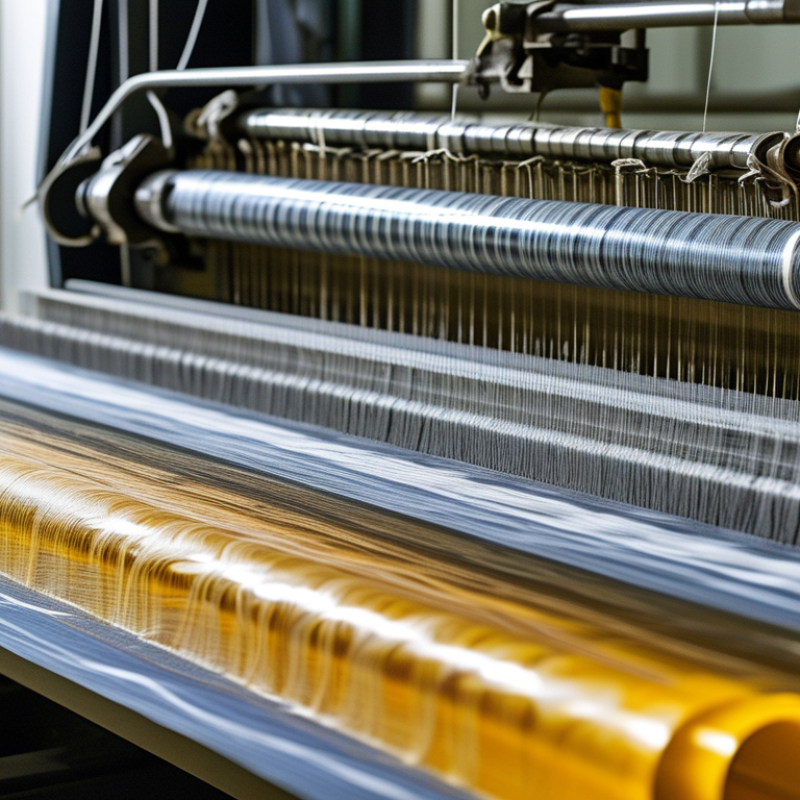
What is a Prepreg Machine and Its Role in UD Fabric Production?
Prepreg machines play a critical role in the production of unidirectional (UD) fabrics. These machines facilitate the infusion of resin onto fiber materials, creating a composite that is both lightweight and strong. This process involves several intricate steps, ensuring that the fibers maintain their orientation and alignment throughout.
The machine functions by unwinding the fiber and applying resin. This application is done with precision, often needing adjustments for temperature and pressure. The quality of the output depends on these variables, making it essential to have skilled operators. A slight error can lead to weak spots in the final product, which could compromise its integrity. Continuous monitoring throughout the production process ensures effective outcomes.
Moreover, using prepreg machines requires an understanding of material properties. Different fibers and resins interact in unique ways. Operators must be aware of these differences. This knowledge can enhance overall production quality. However, the technology is not flawless. Occasionally, the machines can experience malfunctions, leading to production delays. These challenges prompt continuous research and development to improve reliability and efficiency.
Key Components of a Prepreg Machine for Unidirectional Fabrics
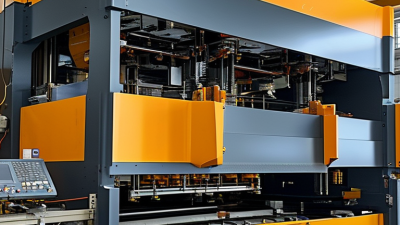
A prepreg machine for unidirectional (UD) fabrics is essential in composite manufacturing. It allows for the precise application of resin to fibers. The key components of such machines include the resin impregnation system, the fabric transport system, and the curing oven.
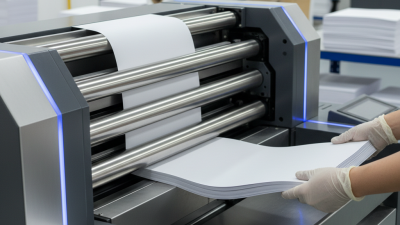
The resin impregnation system is crucial. It uses pressure rollers to ensure uniform resin distribution. A well-functioning system minimizes air bubbles in the fabric. Air pockets can weaken the final product. Make sure to regularly check roller alignment to maintain quality.
The fabric transport system is another vital element. It moves UD fabrics through the machine efficiently. It’s important that this system operates smoothly to prevent fabric wrinkling. Poor handling can lead to defects. Monitor the speed settings, as variations can impact the end result.
Finally, the curing oven solidifies the resin. Temperature and timing are critical in this stage. If the temperature is too low, the resin won't cure properly. Conversely, overheating can damage the fabric. Regular maintenance checks are important. Proper calibration is essential for optimal performance.
Prepreg Machine Performance Metrics for UD Fabric
Understanding the Prepreg Process: Steps and Automation Techniques
The prepreg process for unidirectional (UD) fabric involves precise steps and automation techniques. This process starts with resin application on fibers. The fibers are carefully oriented in a single direction to enhance strength and performance. After resin saturation, the composite is partially cured, creating a stable, manageable product.
Automation plays a vital role in improving efficiency. Machines are programmed to ensure consistent resin application and fiber placement. This reduces human error and waste. Advanced technology helps in monitoring the curing process, ensuring optimal results. Automation also allows for high production rates, meeting increasing demands in various industries.
Tips: Consistent training for operators is crucial. Understanding the machine's nuances can significantly enhance output quality. Regular maintenance checks help prevent unexpected breakdowns. Always review the prepreg process for areas of improvement; even minor tweaks can lead to better efficiency and product quality.
Industry Applications of Prepreg UD Fabrics in Composite Manufacturing
Prepreg UD fabrics have become essential in composite manufacturing, especially in aerospace and automotive industries. These fabrics offer high strength-to-weight ratios and improved fatigue resistance. In aerospace, weight reduction is crucial. A lighter aircraft can carry more payload or use less fuel. According to a recent report by the Composites Market Research, the demand for prepreg materials is expected to grow by 8% annually in the next five years.
The automotive industry is also shifting toward prepreg UD fabrics. Manufacturers seek to enhance vehicle performance and safety. For instance, the application in electric vehicles is increasing. Lightweight composites can extend battery range and efficiency. Statistics from the Automotive Composite Market Analysis indicate that composites in vehicles will rise by 20% in the coming decade.
Tips: Proper handling of prepreg materials is vital. Maintain correct temperatures and humidity levels to ensure quality. Monitor storage conditions diligently; improper storage can lead to material degradation. Always test samples before full-scale application.
Advantages of Using Prepreg Machines Over Traditional Methods
Prepreg machines offer significant advantages over traditional methods in manufacturing UD (unidirectional) fabrics. These machines automate the impregnation of fibers with resin, ensuring a more consistent and uniform application. This precision leads to improved quality in the final product, as there are fewer human errors and variations in resin content. The automation process allows for higher production rates, making it possible to meet the demands of various industries quickly.
Using a prepreg machine also enhances material properties. The controlled environment leads to better resin-bonding, resulting in stronger composites. This is crucial for applications like aerospace and automotive, where performance is essential. However, not all manufacturers have adapted to this technology. Some still rely on manual processes, which can result in inconsistencies. These traditional methods may be more familiar but don’t always produce the same reliability.
Another aspect to consider is cost. While prepreg machines may require a higher initial investment, the long-term efficiency can balance this out. Traditional methods might seem cheaper initially, but they can lead to wastage and increased labor costs. Companies should evaluate their processes carefully to determine the best approach. Adopting advanced technology is a leap forward, but it may challenge established practices that have been around for years.



 Wechat: ANNIELV88