Ultimate Guide to Fabric Coating Laminating Lines: Benefits and Best Practices
In the ever-evolving landscape of textile manufacturing, the significance of effective processing techniques cannot be overstated. Among these, the Fabric Coating Laminating Line stands out as a crucial component in the production of versatile, high-performance fabrics. These lines facilitate the application of protective layers onto textiles, enhancing their durability, water resistance, and aesthetic appeal. As industries strive for innovation and quality, understanding the nuances of fabric coating and laminating processes becomes essential for manufacturers seeking to remain competitive.
This ultimate guide aims to explore the myriad benefits and best practices associated with Fabric Coating Laminating Lines. By embracing advanced technologies and methodologies, manufacturers can significantly improve their production efficiency while delivering superior fabric products. Through careful consideration of material selection, process optimization, and quality control, businesses can harness the full potential of fabric coating and laminating, resulting in fabrics that not only meet but exceed market demands. In the following sections, we will delve into the key aspects that define a successful fabric coating and laminating operation, along with practical insights to elevate your textile production to new heights.
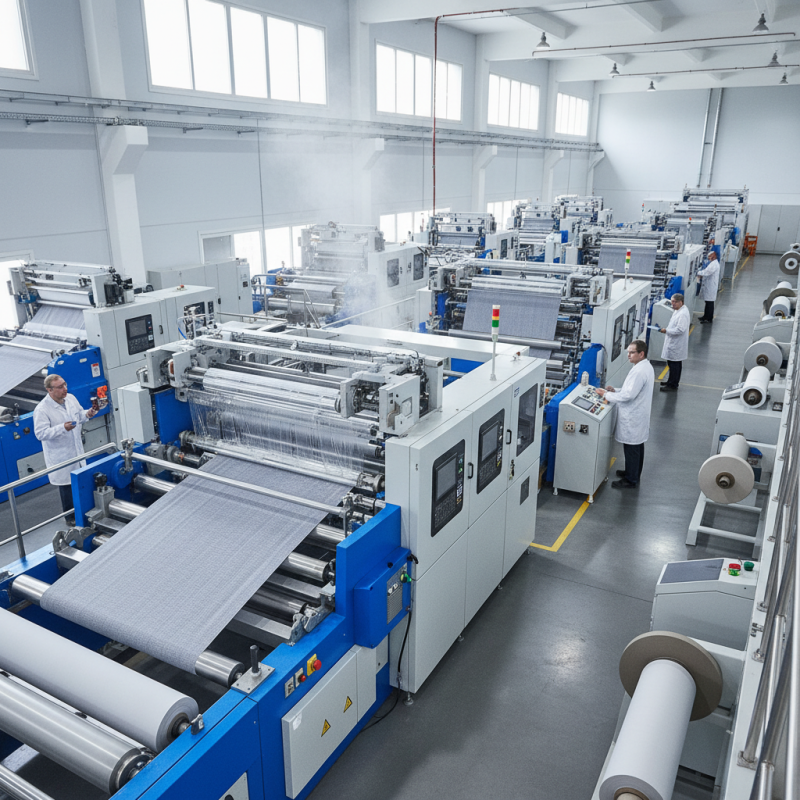
Overview of Fabric Coating and Laminating Technologies
Fabric coating and laminating technologies play a crucial role in enhancing the performance and versatility of textiles.
Coating involves applying a thin layer of polymer or other materials onto the surface of fabric, which can improve water resistance, durability, and UV protection.
This process is essential for creating textiles suited for various applications, including outdoor gear, industrial materials, and protective clothing.
The coating techniques can vary, ranging from simple knife-over-roll applications to more sophisticated methods like gravure or extrusion coating,
depending on the desired end-use properties.
Laminating, on the other hand, involves bonding two or more layers of materials together, often incorporating a protective layer that enhances the fabric's overall functionality.
This can involve heat, pressure, or adhesive methods to achieve a strong bond. Laminated fabrics are commonly used in items such as rainwear, tents, and upholstery,
where a combination of breathability and water resistance is needed.
The choice of laminating technology can greatly affect the final product's weight, strength, and flexibility, presenting opportunities for innovation in textile manufacturing.
By understanding these technologies and their applications, manufacturers can tailor their processes to meet specific performance requirements,
ultimately leading to higher quality products.
Key Benefits of Integrating Fabric Coating Laminating Lines
Integrating fabric coating laminating lines into manufacturing processes offers several key benefits that enhance product quality and operational efficiency. One significant advantage is the improvement in fabric durability. By applying a protective laminate to textiles, manufacturers can create materials that are not only water-resistant but also resistant to wear and tear. This durability is essential for applications in industries such as automotive, outdoor gear, and home furnishings, where longevity and performance are paramount.
Another notable benefit is the ability to customize fabric properties to meet specific market demands. The laminating process allows for the incorporation of various functionalities, such as UV protection or flame resistance, directly into the material. This level of customization not only meets regulatory requirements but also offers a competitive edge in a saturated market. Additionally, having the capability to produce specialized fabrics on-site can significantly reduce lead times and increase responsiveness to customer needs, fostering innovation and flexibility in product offerings.
Furthermore, integrating laminating lines can lead to increased efficiency in production. Streamlining the coating and laminating processes reduces the need for multiple steps and minimizes waste, ultimately lowering production costs. Enhanced automation in these lines can also ensure consistent quality and reduce human error, contributing to a more reliable manufacturing environment. As companies strive to meet evolving consumer preferences and sustainability goals, the advantages of integrating fabric coating laminating lines are becoming increasingly clear.
Essential Equipment for Efficient Fabric Coating Processes
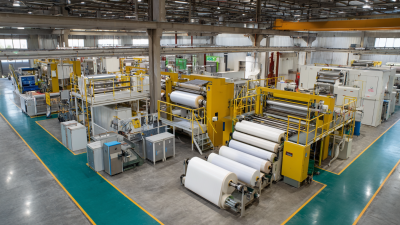
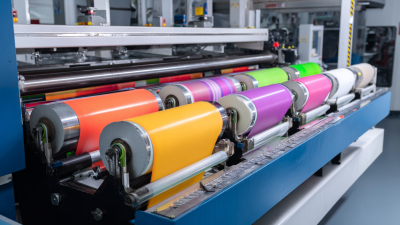
When it comes to efficient fabric coating processes, selecting the right equipment is crucial for achieving high-quality results. The core machinery typically includes coating applicators, drying systems, and cutting-edge control systems. Coating applicators, such as roller or knife-over-roll devices, ensure an even distribution of the coating material on the fabric. These machines can be configured to handle various fabric types and coating compositions, allowing for versatility in production.
Equally important are the drying systems, which are essential for ensuring that the coating adheres properly to the fabric. Hot air dryers, infrared systems, or even UV curing units can be utilized depending on the specific requirements of the coating process. Effective drying not only enhances the durability of the coating but also optimizes production speed, allowing manufacturers to meet demand efficiently. Additionally, modern control systems offer advanced monitoring and automation capabilities, which help streamline operations and maintain consistent quality throughout the fabric coating process.
Ultimate Guide to Fabric Coating Laminating Lines: Benefits and Best Practices
| Dimension |
Description |
Benefits |
Best Practices |
| Material Type |
Polyester, Nylon, Cotton |
Versatile, Durable |
Choose appropriate material based on application |
| Coating Method |
Roller, Spray, Dip |
High efficiency, uniform coating |
Test method suitability before large-scale production |
| Laminating Technology |
Hot, Cold, Ultrasonic |
Enhanced strength and barrier properties |
Select technology based on materials and end-use |
| Environmental Considerations |
Low VOCs, Recyclable materials |
Sustainable production |
Adopt eco-friendly materials and techniques |
| Quality Control |
Visual inspection, Testing |
Consistent product quality |
Implement regular inspection protocols |
Best Practices for Operating Laminating Lines Effectively
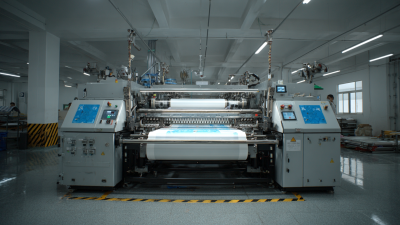
Operating laminating lines effectively is crucial for maximizing productivity and ensuring high-quality output in fabric coating processes. One of the key best practices is to maintain consistent temperature and pressure settings throughout the laminating process. Variations can lead to inadequate adhesion or bubbling in the final product. Regular calibration of equipment to ensure it operates within the specified parameters can prevent these issues and enhance the overall quality of the laminated fabric.
Additionally, employee training plays a vital role in the effective operation of laminating lines. Workers should be well-versed in the machinery, operational protocols, and safety procedures to ensure a smooth workflow. Implementing a structured training program can minimize operational errors and encourage a culture of quality management. It’s also important to gather feedback from operators on potential improvements in processes, as they often have valuable insights based on hands-on experience.
Regular maintenance of laminating equipment is another cornerstone of effective operation. Establishing a routine maintenance schedule can help identify and resolve mechanical issues before they lead to costly downtime. This proactive approach not only ensures the longevity of the equipment but also supports consistent production quality by minimizing disruptions and maintaining optimal operating conditions.
Quality Control Measures in Fabric Coating and Laminating Operations
In the fabric coating and laminating industry, quality control measures are essential for ensuring product durability, performance, and customer satisfaction. According to a recent industry report, over 70% of manufacturers emphasized the need for strict quality assurance protocols, as any deviations in the coating process can severely impact the final product's functionality. Employing advanced testing methodologies, such as tensile strength testing and hydrostatic pressure testing, allows operators to detect imperfections and ensure consistent quality throughout production.
Implementing real-time monitoring systems is another effective quality control measure. These systems can track key parameters like temperature, pressure, and coating thickness, allowing for immediate adjustments when necessary. In practice, companies that utilize real-time data monitoring have reported a 30% reduction in defects, which reflects significant cost savings and improved customer satisfaction.
Tips: Regular training sessions for staff on quality control protocols can ensure everyone is equipped with the latest best practices. Additionally, conducting routine audits of the coating and laminating processes helps identify potential areas for improvement before they escalate into costly issues. Finally, maintaining open communication with suppliers regarding material quality can preemptively address discrepancies and enhance overall production efficacy.
Fabric Coating and Laminating Operations: Quality Control Measures



 Wechat: ANNIELV88