2026 How to Use a Swing Arm Cutting Press Effectively?
A Swing Arm Cutting Press is essential in modern manufacturing processes. Expert Lisa Nguyen states, "Efficiency hinges on how we operate our equipment." This powerful tool can drastically enhance production when used correctly. However, many still struggle to maximize its potential.
Understanding the mechanics of a Swing Arm Cutting Press is crucial. Each adjustment can impact the final product. For instance, incorrect blade alignment may lead to material waste. Thus, users must pay close attention. The learning curve can be steep, and some may feel overwhelmed initially.
Mistakes often occur, highlighting the need for ongoing training. Regular practice is vital for perfecting techniques and developing confidence. Observing experienced operators can reveal useful insights. Investing time in learning from errors transforms challenges into opportunities for growth. Follow these guidelines, and watch performance improve significantly.
Understanding the Basics of Swing Arm Cutting Press Operations
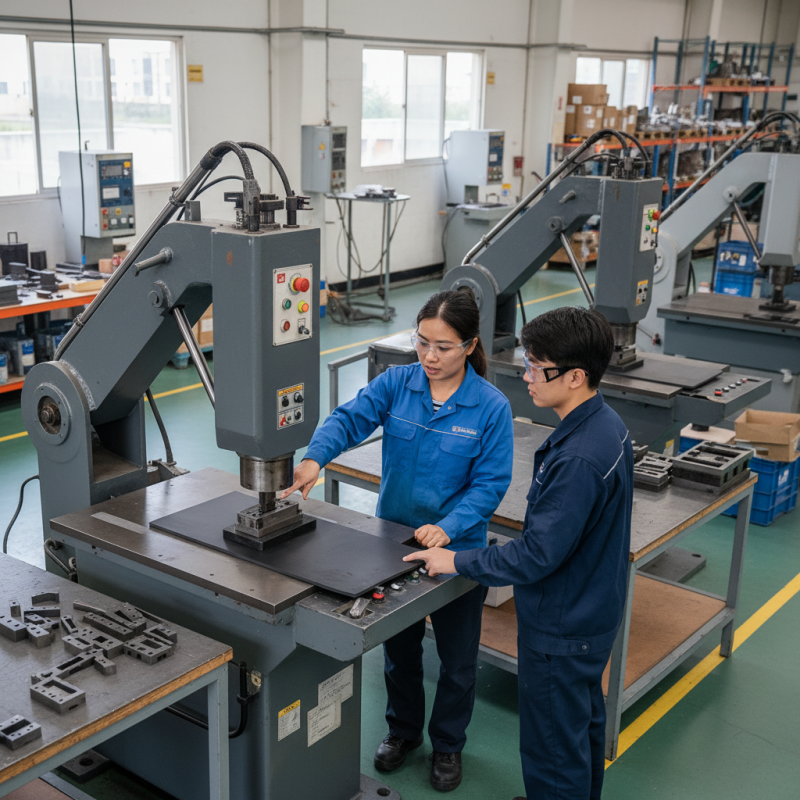
A swing arm cutting press is a valuable tool in many workshops. Understanding its operation is crucial for effective use. The arm moves freely, allowing for precise cuts at various angles. This flexibility can lead to better accuracy in your projects. However, ensuring that the material is secured properly is essential. Misaligned materials can lead to poor cuts and wasted resources.
Safety is another important aspect. Always wear appropriate protective gear. Engage the machine slowly to avoid sudden movements. Operators should be familiar with the machine's limits and potential hazards. It’s easy to overlook minor maintenance, which can impact performance. Regular checks can prevent serious mistakes down the line.
Practicing with different materials will increase your comfort level. Experiment with various thicknesses to find the optimal settings. Each material behaves differently, and adapting is key. Sometimes, results may not meet expectations. Reflection on what went wrong is crucial for improvement.
Key Components of a Swing Arm Cutting Press and Their Functions
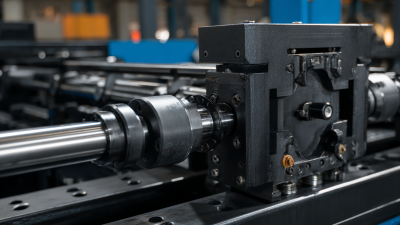
Understanding the key components of a swing arm cutting press is essential for effective operation. The swing arm is pivotal in controlling the cutting angle. It helps achieve precise cuts by allowing the operator to adjust the arm's position smoothly. Properly calibrated, it can increase cutting efficiency by up to 30%, according to industry reports.
Another crucial component is the cutting die. It defines the shape and size of the cut material. The selection of a compatible die directly affects the final product quality. Studies show that a well-maintained die can last significantly longer, decreasing material waste. Operators should regularly inspect and replace worn dies to maintain efficiency.
Finally, hydraulic systems play a vital role in the press's operation. They provide the necessary force for cutting. Reports indicate that hydraulic presses can generate forces exceeding 1,200 tons. This immense power requires regular monitoring. An overlooked hydraulic system can lead to inconsistent cuts and increased downtime for repairs.
Effective use hinges on understanding these components. Well-informed operators can make adjustments, but maintenance must not be neglected. A proactive approach can lead to long-term productivity gains.
2026 How to Use a Swing Arm Cutting Press Effectively
Optimal Settings for Precision Cutting with a Swing Arm Press
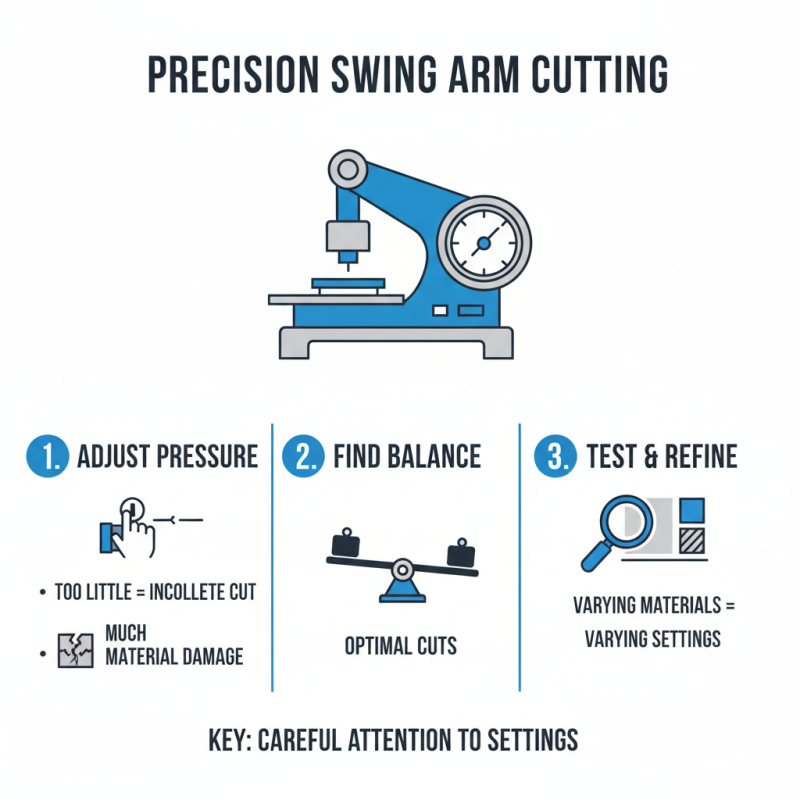
Achieving precision cutting with a swing arm cutting press requires careful attention to settings. Start by adjusting the pressure. Too little pressure can lead to incomplete cuts. Conversely, excessive pressure may damage the material. A balance needs to be struck. It's crucial to test different pressure levels for various materials.
Next, consider the blade sharpness. A dull blade can hinder accuracy, leading to jagged edges. Regular inspections are necessary. Replace blades when they show signs of wear. Often, operators overlook this, resulting in poor cuts. Maintaining sharp blades is essential for optimal performance.
Temperature can also impact cutting quality. Materials may expand or contract, affecting precision. Ensure your workspace has a stable temperature. Monitor the environment consistently. It's an aspect that is often ignored. Small changes can make a difference in the final product's quality. Experiment and learn from each session to improve your results.
Safety Protocols for Operating a Swing Arm Cutting Press Effectively
Operating a swing arm cutting press requires strict adherence to safety protocols. Always wear appropriate personal protective equipment, including gloves and safety goggles. This equipment protects against cuts and debris. Loose clothing can pose a hazard, so wear fitted attire. Keeping your hair tied back is also crucial.
Before starting the machine, inspect all components for any damage or wear. A small issue can lead to larger accidents. Ensure the area is clean and organized. Clutter can cause distractions, leading to mistakes. If the machine makes unusual noises or behaves erratically, stop immediately.
Emergency stops should be easily accessible. Familiarize yourself with their location before operating the press. Training is critical, yet you may still encounter unexpected situations. Reflect on your practices regularly and seek feedback from coworkers. Growth comes from learning and adapting, not from avoiding discomfort.
Maintenance Tips to Extend the Lifespan of Your Cutting Press Machine
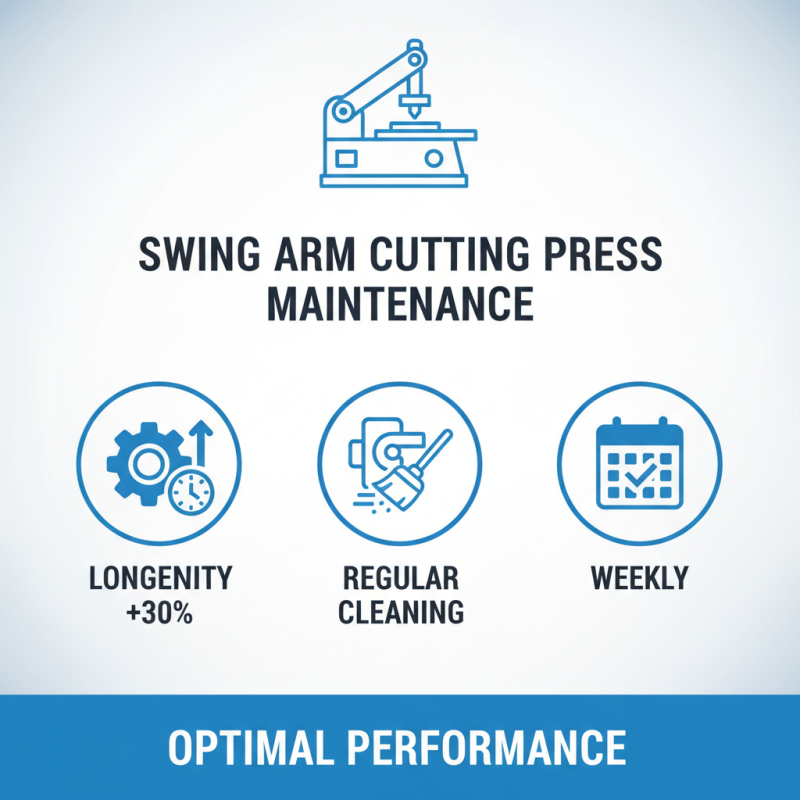
Proper maintenance of a swing arm cutting press machine is essential for longevity. Studies indicate that regular upkeep can prolong machinery life by up to 30%. Frequent cleaning is key. Dust and debris can lead to overheating and decreased efficiency. Schedule cleaning every week for optimal results.
Lubrication is crucial. Many users neglect this step, leading to increased friction and wear. Using the right oil not only minimizes wear but also ensures smoother operation. Reports show that lack of proper lubrication contributes to 25% of machine failures. Inspect and refill lubrication regularly.
Finally, perform routine inspections. Check for unusual noises, vibrations, or any signs of wear. Ignoring these issues can result in costly repairs. Many operators find it easy to overlook minor problems, but this can have serious consequences. A proactive approach in maintenance will enhance performance and reliability.







 Wechat: ANNIELV88