What is a Die Cutting Machine and How Does it Work?
A Die Cutting Machine is an essential tool for many industries. It transforms materials like paper, fabric, and plastic into precise shapes. Expert Mark Thompson, a leader in the die-cutting field, states, “A Die Cutting Machine brings creativity and efficiency together.”
This machine is vital for manufacturers, crafters, and designers. It allows for intricate designs that would be hard to achieve by hand. However, many users miss the importance of maintenance. Neglecting upkeep can lead to poor cuts and wasted materials.
Understanding how a Die Cutting Machine operates is crucial. It relies on metal dies and pressure to cut through materials. Users often overlook the learning curve involved in mastering this machine. Patience is key, as each project can involve trial and error. Embracing this process can lead to beautiful outcomes.
What is a Die Cutting Machine?
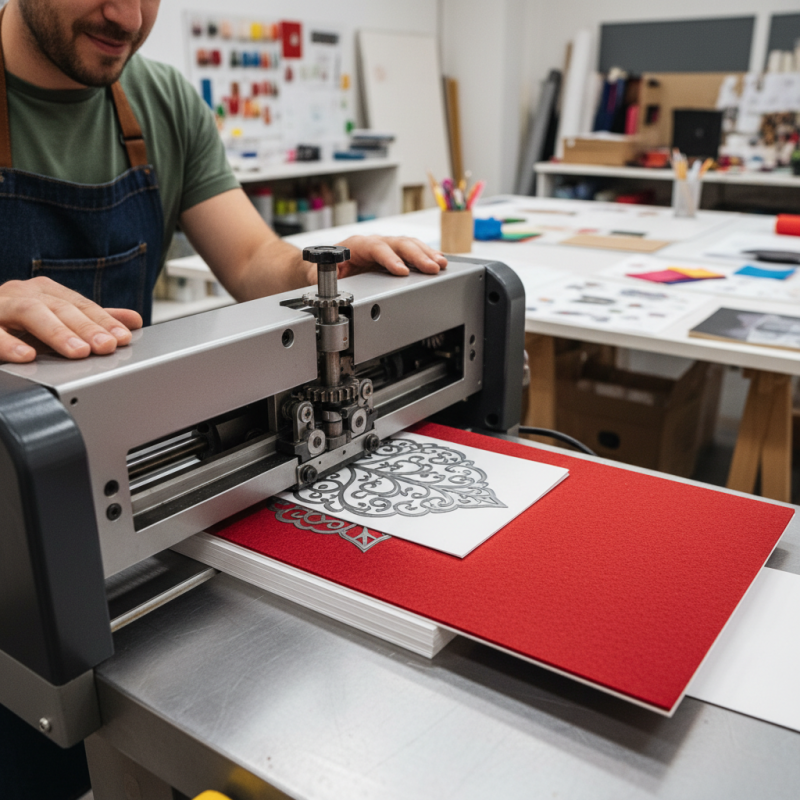
A die cutting machine is a versatile tool used for cutting various materials into specific shapes and sizes. These machines can work with paper, fabric, and foam, making them popular in crafting, fashion, and manufacturing. They operate by using a die, which is a metal shape that presses down onto the material. The machine applies pressure, creating a clean cut through the material.
When using a die cutting machine, choosing the right die is crucial. A well-designed die can make your project easier and more efficient. Sometimes, however, the die may not cut as intended. This can be frustrating, especially when you’re in a creative flow. Checking alignment is important. Ensure your material is correctly placed before cutting.
Tips: Always test your die on scrap material first. This helps prevent waste and saves time. If you’re new to die cutting, start with simple shapes. As you gain confidence, move to more complex designs. Remember, practice makes perfect, but don’t expect every cut to be flawless. Embrace the learning process; it’s part of the journey.
History and Evolution of Die Cutting Machines
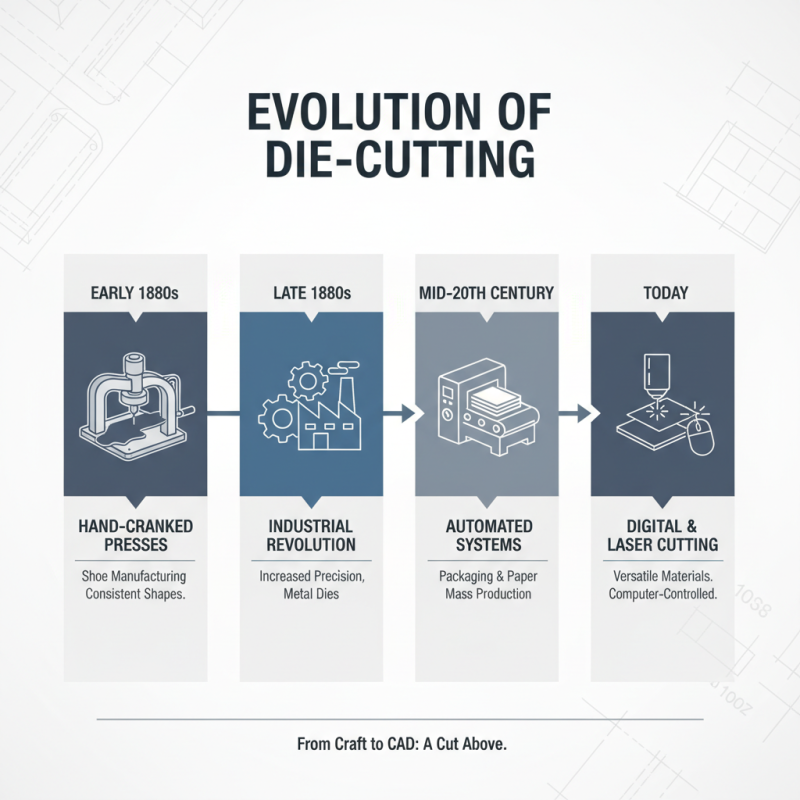
Die cutting machines have a rich history that dates back to the early 19th century. Initially, these machines were handcrafted and used in industries like shoe manufacturing. Craftsmen needed efficient ways to produce consistent shapes. Over time, the demand for precision increased, leading to advancements in die making.
In the 20th century, die cutting evolved significantly with technological innovations. Electric and hydraulic machines emerged, allowing for faster production at a lower cost. Today, manufacturers use digital technology to enhance accuracy and versatility. However, some still prefer traditional methods for their unique touch. This blend of old and new creates a fascinating landscape in die cutting.
Despite advancements, challenges remain. Not all designs translate well into die-cut shapes. Sometimes, it requires trial and error to achieve the desired outcome. Many operators discover they need to adapt their techniques consistently. It reflects the ongoing journey of mastering the craft, as creativity often battles against technical limitations. The evolution of die cutting machines illustrates not just progress but also the beauty of imperfection in the creative process.
Types of Die Cutting Machines and Their Applications
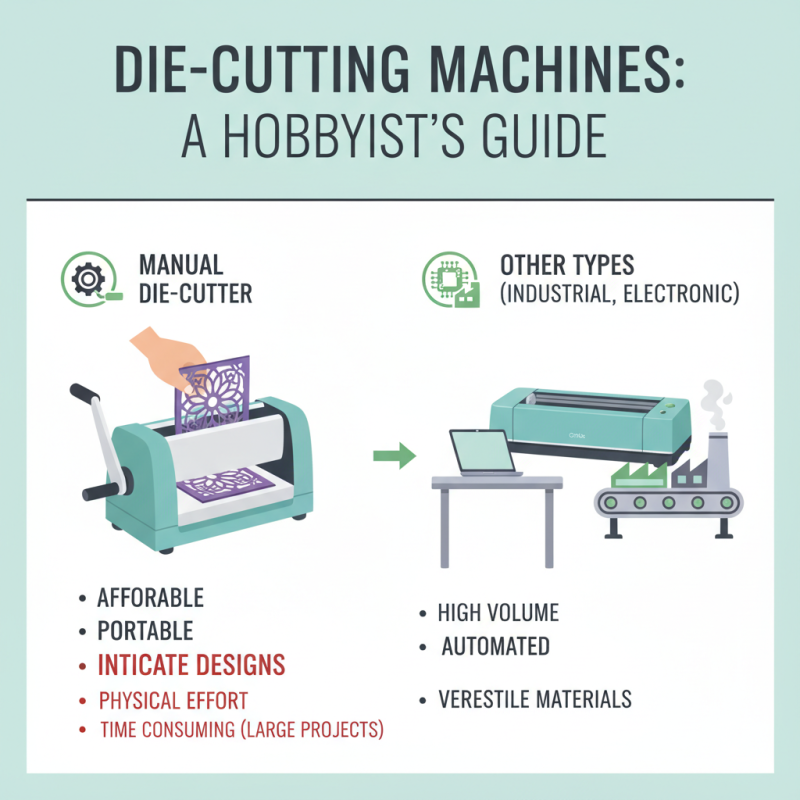
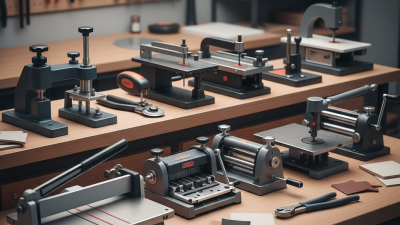
Die cutting machines come in various types, each serving distinct purposes. The manual die cutting machine is popular among hobbyists. It is affordable and portable. Users can create intricate designs with minimal investment. However, this option demands physical effort and may be time-consuming for larger projects.
On the other hand, digital die cutting machines offer advanced features. They can cut a wide range of materials. According to a report by Smithers Pira, the market for digital cutting in packaging alone is expected to grow by 4.3% annually. This reflects a rising trend among professionals. However, these machines often come with a steep learning curve. Mastering software can be frustrating for novice users.
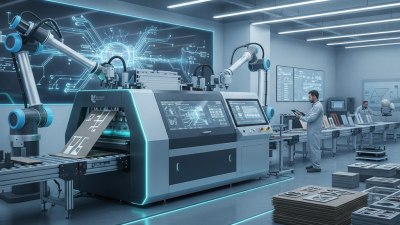
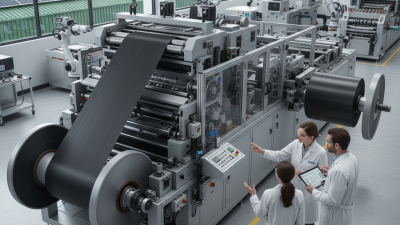
Industrial die cutting machines cater to high-volume production needs. They provide speed and precision. For instance, rotary die cutters excel in creating multiple shapes quickly. This efficiency can be beneficial, but it also raises issues. High initial costs may limit access for small businesses. The need for ongoing maintenance can strain budgets, as well.
How Die Cutting Machines Work: A Step-by-Step Process
Die cutting machines simplify the process of creating intricate shapes from various materials. The operation begins with a digital design. This design is transferred to the machine, which uses a sharp die to cut the selected material. Popular materials include paper, cardstock, and fabric. A study by Smithers estimates that the die-cutting market will reach $4.9 billion by 2024. This growth reflects the rising demand in packaging and crafting industries.
As the machine operates, it applies significant pressure to the die, which slices through the material. Users often need to be precise with their settings. Any mistakes can lead to wasted materials. An average production run can take from a few minutes to several hours. Adjusting the pressure is crucial. Too much pressure can damage the die, while too little may result in incomplete cuts. This balance requires careful attention and frequent testing.
Die cutting has its challenges. The initial setup can be time-consuming, especially for complex designs. Additionally, not all materials yield consistent results. The risk of errors increases with intricate patterns. Users often learn through trial and error, refining their techniques over time. The skill level can vary widely among operators, affecting overall efficiency.
Benefits of Using a Die Cutting Machine in Crafting and Production
Die cutting machines have become essential tools in crafting and production. They streamline processes and improve efficiency. According to a recent report, the global die-cutting machine market was valued at $4.2 billion in 2021 and is expected to grow at a CAGR of 4.9% through 2028. This growth reflects how valuable these machines are for both small businesses and large manufacturers.
Using a die cutting machine allows for precision and consistency. This means less waste and better use of materials. Crafting projects can see time savings of up to 50% when using such machines. Moreover, their ability to create intricate designs allows artists to expand their creative boundaries. However, challenges remain. Not every machine can handle all materials, which can limit their application. Understanding these limitations is key for effective use.
The versatility of die cutting machines also contributes to their popularity. From paper crafts to fabric designs, they cater to various needs. A study from the Craft and Hobby Association noted that 57% of crafters cite versatility as an important factor in choosing a die cutting machine. Still, it’s vital to choose the right machine and settings. This ensures optimal results without compromising quality. Balancing capability and creativity is where true mastery lies.
Benefits of Using a Die Cutting Machine in Crafting and Production





 Wechat: ANNIELV88