What is a Coating Lamination Machine and How Does It Work?
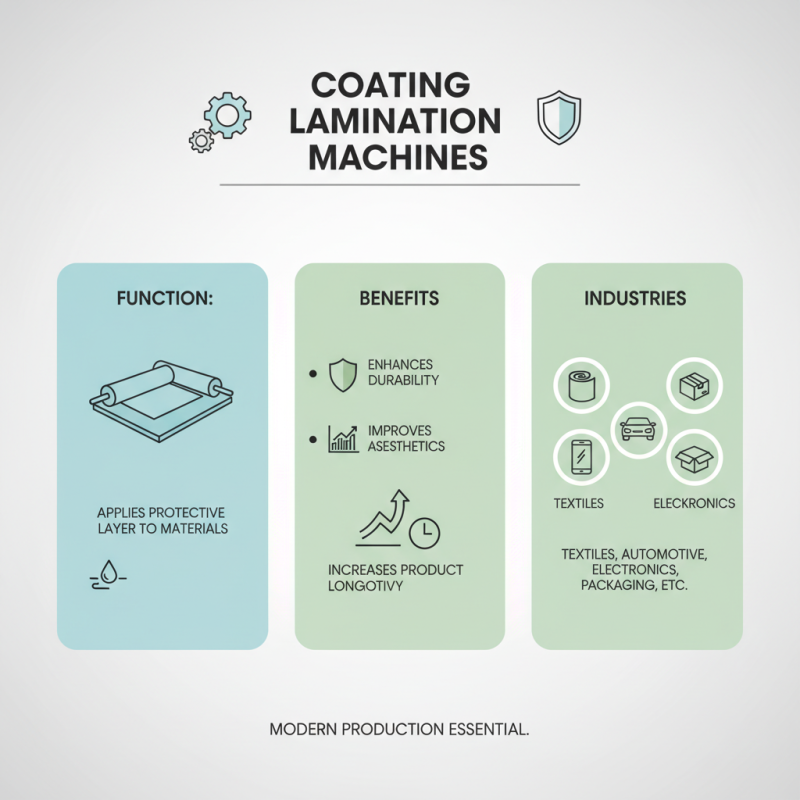
A Coating Lamination Machine plays a vital role in various industries. This machine is designed for applying a protective layer over materials. It enhances durability and appearance, making products more appealing.
Understanding how a Coating Lamination Machine works is essential. It uses heat and pressure to bond materials together. The process can seem straightforward, but it requires precision. Many factors affect the quality of the final product. Operators must be attentive to temperature and timing. Small mistakes can lead to imperfections.
In the world of manufacturing, challenges arise. Not all machines perform perfectly. Operators often face issues with adhesion or uneven application. Continuous improvement is necessary for better results. A Coating Lamination Machine requires regular maintenance, which is often overlooked. Recognizing these elements can lead to improvements in both productivity and product quality.
What is a Coating Lamination Machine?
A coating lamination machine is essential in various industries. It combines two or more layers of materials to create a protective film. This machine enhances durability and adds aesthetic appeal. It is commonly used for paper, plastics, and textiles.
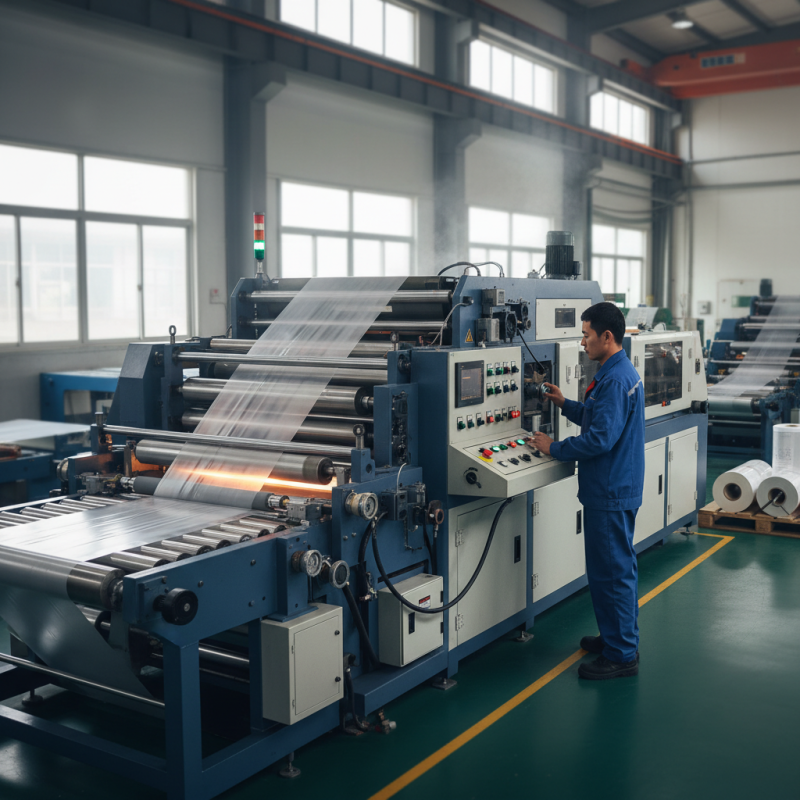
The process begins with material feeding. The base layer is fed through rollers, followed by the coating layer. The machine applies heat and pressure. This helps the layers bond effectively. Adjusting temperature and speed is crucial for quality. Improper settings can lead to bubbling or peeling.
Users must be mindful of maintenance. Regular checks prevent breakdowns. Cleaning parts is essential to avoid contamination. Even minor dust can affect the final product. Operators often face challenges in achieving consistent results. It takes practice to master intricate settings. The learning curve can be steep.
Key Components of a Coating Lamination Machine
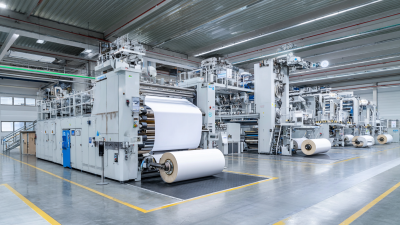
Coating lamination machines are essential in various industries. These machines apply a protective layer to materials, enhancing their durability. Their key components play a crucial role in their efficiency. The main parts include the unwinding unit, coating unit, drying unit, and rewinding unit. Each component works together to ensure optimal performance.
The unwinding unit feeds the base material into the machine, maintaining tension throughout the process. Typically, this unit can handle rolls of materials that weigh up to 500 kg. The coating unit follows, applying the adhesive or protective layer. This unit often uses precision nozzles to ensure an even application, which is vital for quality control. Studies indicate that an even coating can increase product lifespan by over 30%.
After coating, the drying unit is critical. It removes excess moisture and sets the coating, which can be achieved through hot air or infrared radiation. This unit also influences energy consumption. Reports show that optimizing drying time can reduce operational costs by up to 20%. Finally, the rewinding unit collects the finished product, ready for distribution. Each of these components must function well together. A failure in any part can lead to defects in the final product, highlighting the need for regular maintenance and thoughtful design in these machines.
The Working Mechanism of Coating Lamination Machines
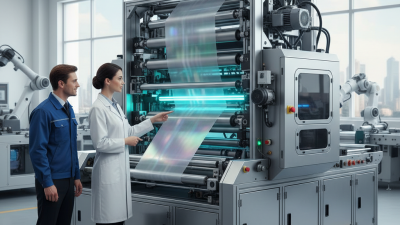
Coating lamination machines play a critical role in production lines today. Their primary purpose is to apply a protective layer to various substrates, enhancing durability and aesthetics. These machines operate through a careful layering process, ensuring that coatings adhere correctly and smoothly. Typically, they utilize rollers or heated plates, allowing the coating material to bond effectively with the substrate's surface.
The working mechanism involves several key steps. First, the substrate is fed into the machine. Then, a precise amount of coating material is applied, either in liquid or film form. The substrate then moves through rollers that exert pressure and heat, helping the coating to bind effectively. Data from industry reports indicate that this process can increase product lifespan by up to 40%.
Tip: Regular maintenance of the machine can prevent unexpected breakdowns. Keeping the rollers clean ensures consistent performance.
The quality of coating largely depends on ambient conditions. Temperature and humidity can affect adhesion. Observing these factors can lead to more predictable outcomes. An error in this stage could result in uneven coverage or adhesion failures, leading to wasted materials.
Tip: Always conduct small-scale tests before running full-scale production. This can save time and resources.
Applications of Coating Lamination in Various Industries
Coating lamination machines are essential in many industries today. They blend functionality with durability. The applications of this technology are diverse and impactful. For instance, in the packaging industry, a report from Smithers indicates that the global flexible packaging market is projected to reach $300 billion by 2025. This growth is driven by consumer demand for convenience and sustainability. Coating lamination enhances packaging products, offering moisture and oxygen barriers.
In the electronics sector, these machines protect sensitive components. According to a study by Fortune Business Insights, the global electronics coating market size is projected to grow at a CAGR of 6.1% from 2021 to 2028. This highlights the increasing need for protective layers. However, not all applications are perfect. Some coatings can lead to adhesion issues. Manufacturers often encounter challenges with compatibility and performance.
Tips: Always test coating samples to avoid production issues. This step helps ensure adhesion and performance. Continuous improvement in machinery is essential to address these challenges. Monitoring technology advancements can guide operations towards more reliable solutions. Stay informed to enhance product quality and efficiency.
Applications of Coating Lamination in Various Industries






 Wechat: ANNIELV88