Leave Your Message

What Is the Best UD Weft Cloth Production Line?

What Is the Best UD Weft Cloth Production Line? The answer depends on material consistency, output goals, and process control. A modern UD Weft Cloth Production Line must guide yarns evenly, maintain stable tension, and prevent gaps across the fabric width. Even a small tension variation can create visible bands in the finished roll.

The Textile Exchange Materials Market Report 2024 recorded global fiber production at approximately 124 million tonnes in 2023. It also expects production to approach 160 million tonnes by 2030. This growth increases pressure on manufacturers to improve efficiency, traceability, and material utilization. The ITMF Global Textile Industry Survey 2024 also shows continuing pressure from weak orders and rising operating costs. Every meter matters.

Dr. Seshadri Ramkumar, a recognized textile materials specialist, has stated, “Process stability is the foundation of textile quality.” That principle applies directly here. The best line is not always the fastest. It may offer accurate weft insertion, automatic tension correction, reliable edge control, and simple maintenance access. Operators should inspect sensors, rollers, and winding units during real production trials. Laboratory results can mislead. Dust, humidity, and operator skill often change performance. That assumption deserves testing. A responsible comparison should examine waste rates, energy use, fabric uniformity, service support, and total ownership cost before selecting a UD Weft Cloth Production Line.
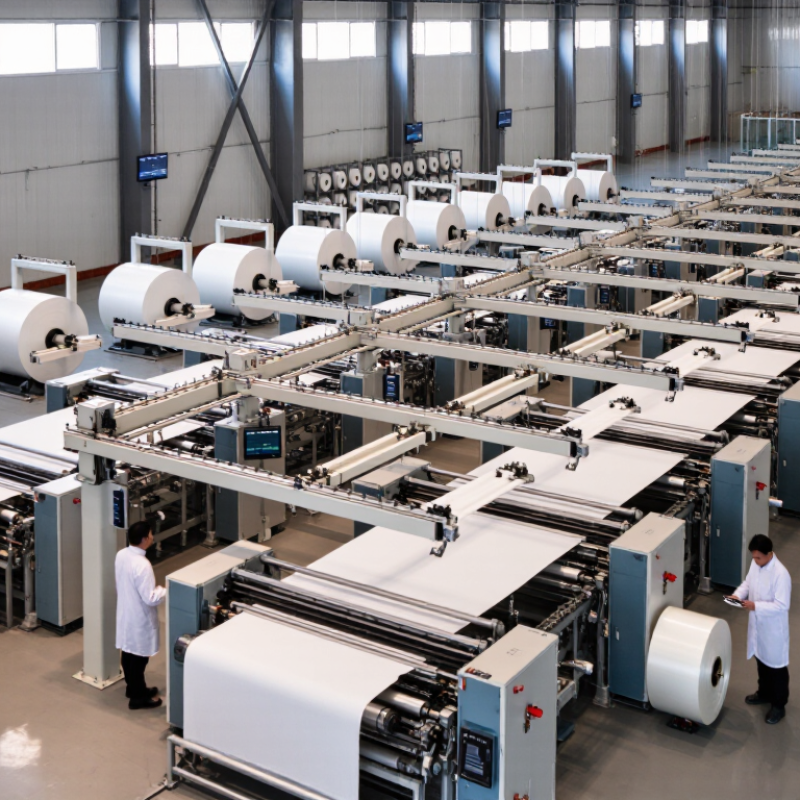
What Is the Best UD Weft Cloth Production Line?

Definition and Purpose of a UD Weft Cloth Production Line

What Is the Best UD Weft Cloth Production Line?

Definition and Purpose of a UD Weft Cloth Production Line

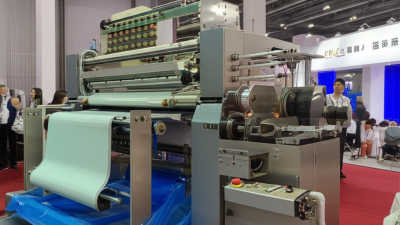
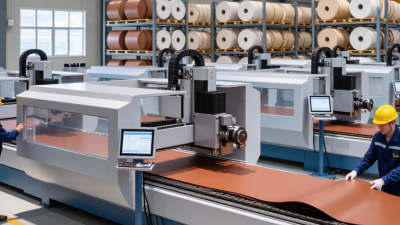
A UD weft cloth production line manufactures reinforcement fabric with most fibers running in one direction. The weft yarns carry primary loads, while light warp yarns hold spacing and alignment. A typical line includes yarn creels, tension controllers, weft insertion units, stitching equipment, inspection systems, and roll winders. Its purpose is simple: produce stable, continuous reinforcement for composite parts. Operators must control tension carefully. Small variations can create visible gaps, wrinkles, or uneven resin flow.

The 2024 JEC Observer reported global composites production at approximately 12.5 million tonnes in 2023. This figure shows why consistent reinforcement manufacturing matters across transport, energy, and construction applications. The report also identifies performance and process efficiency as continuing market priorities. A UD weft line supports both goals by reducing unnecessary fiber directions and improving load-focused design. However, “the best” line is not automatically the fastest one. That assumption needs questioning.

The Materials Market Report 2024 from Textile Exchange recorded recycled polyester at about 12% of global polyester production in 2023. This statistic highlights a practical challenge for equipment planners. Recycled yarns may require different tension settings and stronger quality checks. A reliable line should therefore provide recipe control, real-time defect detection, and traceable production records. In factory evaluations, I would inspect selvage stability, roll hardness, width accuracy, and restart waste. These details often matter more than impressive output claims. A technically advanced line can still disappoint when operators cannot adjust it easily.

Key Components and Functions of the Production Line

A reliable UD weft cloth production line depends on coordinated components, not speed alone. The creel must unwind fibers evenly, while tension controllers prevent loops, slack, and sudden breaks. A spreading unit separates filaments into a flat, consistent layer. This detail matters. Uneven spreading can create resin-rich zones during later composite molding.

The weft insertion system adds transverse yarns that stabilize the unidirectional layer. A stitching or bonding unit then fixes the structure without crushing the main fibers. Modern lines also require edge guides, programmable drive controls, and dust extraction. In practical inspections, operators should check yarn tension, fabric width, areal weight, and roll hardness at regular intervals. Inline cameras can identify gaps, overlaps, and broken filaments before winding. However, inspection alone cannot repair poor fiber handling.

The MarketsandMarkets Composites Market report estimates growth from about USD 95.6 billion in 2023 to USD 126.3 billion by 2028. The International Energy Agency’s Renewables 2024 report also forecasts nearly 5,500 gigawatts of new renewable capacity from 2024 to 2030. These figures suggest stronger demand for lightweight reinforcement materials. Still, larger demand does not justify overengineering every line. Energy use, changeover time, maintenance access, and operator training deserve equal attention. A faster line is not automatically better. The most useful design may be the one that produces stable cloth on an ordinary Tuesday.

Step-by-Step UD Weft Cloth Manufacturing Process

What Is the Best UD Weft Cloth Production Line?

A reliable UD weft cloth line begins with controlled yarn preparation. Operators load warp and weft packages into separate creels. Each package needs stable tension, clean surfaces, and correct lot identification. The warp yarns then pass through guides and spreaders. Their filaments open into a thin, even layer. This step affects resin flow later.

The machine inserts weft yarns across the aligned warp layer. A light binder or stitching system holds the structure without damaging the fibers. Thermal consolidation follows. Temperature, pressure, and line speed must match the fiber and binder chemistry. Sensors should monitor tension continuously. Small variations can create wrinkles, gaps, or uneven areal weight. They are easy to miss.

MarketsandMarkets estimated the global carbon-fiber market at about USD 4.7 billion in 2024, with continued growth expected through 2029. That pressure increases demand for stable, scalable textile production. In practice, quality teams should test width, weight, yarn spacing, tensile strength, and visual defects after winding. ISO-based laboratory methods can improve traceability. However, no line removes every production risk. Real operators still adjust settings after humidity changes, package replacement, or fiber breaks. A perfect recipe is unlikely. Careful records matter more.

Factors for Comparing UD Weft Cloth Production Lines

What Is the Best UD Weft Cloth Production Line?

Factors for Comparing UD Weft Cloth Production Lines

The best UD weft cloth production line depends on material goals, not advertised speed. Compare working width, yarn compatibility, fabric weight, and production stability. A line designed for narrow reinforcement may struggle with wide rolls or heavier yarns. Check whether tension remains steady when the machine changes speed. Small tension shifts can create visible gaps, wrinkles, or uneven resin coverage.

Examine the feeding and alignment systems closely. Reliable guides should control warp and weft yarns without damaging filaments. Ask for trial data using your actual yarn type. Sample rolls reveal more than a showroom demonstration. Measure areal weight, angle accuracy, edge quality, and roll hardness. These details affect later cutting, bonding, and handling. Higher speed is not always better. Poor alignment at high speed creates expensive waste.

Control software, sensor access, and maintenance design also deserve attention. Operators need clear alarms and simple adjustments. Spare parts should be practical to replace. Energy use matters during long production runs, especially when heating or drying units are included. Safety guarding and emergency stops must be easy to inspect. No line is perfect. A comparison may overlook operator skill, humidity, or changing yarn quality. Leave room for these variables when reviewing quotations. A short production trial can expose weaknesses that specifications hide.

How to Select the Best Production Line for Your Needs

What Is the Best UD Weft Cloth Production Line?

How to Select the Best Production Line for Your Needs

Selecting a UD weft cloth production line starts with the finished fabric, not the machine brochure. Define the target width, yarn type, areal weight, and production speed. Check whether the line maintains stable yarn tension across the entire working width. Uneven tension can create wrinkles, weak zones, and visible gaps.

Material compatibility matters. The line should handle the selected fibers without excessive friction or breakage. Inspect the creel, guiding rollers, spreading unit, and winding system carefully. A reliable control system should record tension, speed, temperature, and alarms. These records help operators trace quality problems instead of guessing.

Do not choose capacity by speed alone. Faster output may increase waste and maintenance costs. Request a practical trial using your actual yarn and fabric structure. Examine edge alignment, layer uniformity, roll hardness, and changeover time. A small test roll can reveal more than a polished demonstration.

Service capability also affects the purchase. Ask about spare parts, operator training, installation support, and response times. Electrical access, factory space, ventilation, and floor loading need early review. One overlooked detail can delay commissioning for weeks. Energy consumption deserves attention too, especially when heating, drying, or coating units operate continuously. The best line is the one that fits current requirements while allowing sensible upgrades later.

This 100-point evaluation model highlights the factors that most directly affect UD weft cloth production-line selection. Capacity fit and fabric-quality control should be assessed first, followed by material flexibility, operating efficiency, maintenance support, and safety compliance.