10 Best Ud Prepreg Machines for Efficient Composite Manufacturing?
The demand for lightweight, high-strength materials has led to the increased adoption of composite manufacturing. Central to this process are Ud Prepreg Machines. These machines offer precision and efficiency, crucial for producing high-quality composite parts. According to a recent market report by Research and Markets, the global composite market is projected to grow at a CAGR of 8.15% through 2026.
Manufacturers are seeking ways to enhance their production capabilities. A reliable Ud Prepreg Machine can streamline the workflow and reduce production time. For instance, proper selection and maintenance of these machines can lead to improved fiber alignment and resin distribution. However, one size does not fit all. It’s essential to assess the specific needs of your production line.
Selecting the right machine involves weighing key factors such as versatility and operational efficiency. Some models excel in speed, while others focus on precision. Each option presents trade-offs. As the industry evolves, examining the performance of these machines will ensure that manufacturers stay competitive.
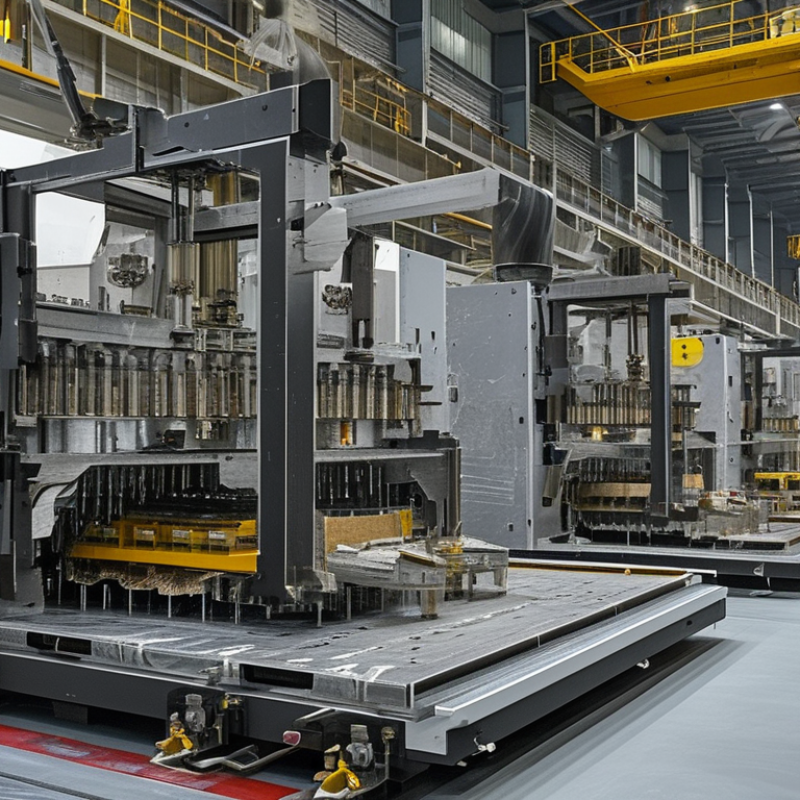
Overview of Prepreg Machines and Their Importance in Composite Manufacturing
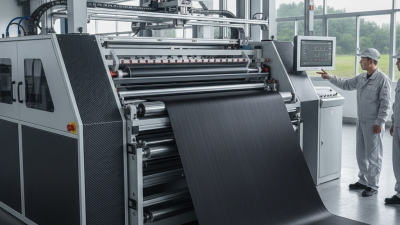
Prepreg machines play a crucial role in composite manufacturing. They ensure precise temperature and pressure control during the curing process. This technology allows manufacturers to produce high-quality composite materials efficiently. The ability to manage these variables can significantly enhance product performance and consistency. In industries like aerospace and automotive, where weight and strength are critical, these machines are invaluable.
The importance of prepreg machines extends beyond just production efficiency. They can streamline processes and reduce waste in composite manufacturing. However, selecting the right machine can be challenging. Different manufacturers have various needs based on their specific applications. Some machines excel in automated processes, while others might focus on manual operations. Exploring these nuances is essential for informed decision-making.
On a practical level, it’s easy to overlook maintenance aspects. Regular upkeep ensures optimal performance, but it's often underestimated. This oversight can lead to inefficiencies and increased costs. Being aware of these factors is important for any manufacturing decision-maker. Understanding both the capabilities and limitations of prepreg machines can foster improvement. Assessing real-world applications helps identify the best fit for each unique requirement.
Key Features to Consider When Choosing Prepreg Machines
When selecting a prepreg machine for composite manufacturing, focus on several key features. First, consider the heating mechanism. Machines with consistent and controllable heating ensure optimal resin curing. This affects the final product’s quality and performance in applications. Pay attention to the temperature uniformity across the machine. Uneven heating can lead to defective composites.
Next, the cooling system is equally important. Efficient cooling enhances processing speed. It can significantly impact production timelines. Look for machines that allow rapid cooldown without compromising material integrity. Also, assess the machine's size and configuration. A compact design can be beneficial for limited workshop spaces.
Finally, consider the ease of operation. User-friendly interfaces simplify the setup. Complex controls can lead to errors and wasted materials. Regular maintenance also plays a role in the machine's longevity. This aspect is often overlooked but should be prioritized. A reliable prepreg machine can drive consistent quality in composite manufacturing, but selecting the right one requires careful consideration of these details.
10 Best Ud Prepreg Machines for Efficient Composite Manufacturing
| Model |
Max Temperature (°C) |
Max Pressure (psi) |
Cycle Time (min) |
Automation Level |
Key Feature |
| Model A |
180 |
2000 |
25 |
High |
Energy Efficiency |
| Model B |
200 |
2500 |
30 |
Medium |
Automated Loading |
| Model C |
250 |
3000 |
20 |
High |
Custom Temperature Control |
| Model D |
190 |
2200 |
35 |
Low |
Compact Design |
| Model E |
230 |
2800 |
28 |
Medium |
Integrated Cooling System |
Top 10 Ud Prepreg Machines for Enhanced Manufacturing Efficiency
In the realm of composite manufacturing, UD prepreg machines are vital for enhancing efficiency. Their ability to provide uniform and consistent material thickness can significantly improve the final product's quality. Data from industry reports highlights that even a small improvement in manufacturing efficiency can lead to a 15% reduction in production costs. This is crucial in a competitive landscape where margins are thin and efficiency is key.
Moreover, the automation capabilities of these machines reduce labor costs and minimize human error. Many reports indicate that automated processes can enhance workflow by up to 30%. However, manufacturers must recognize that investing in advanced machinery involves considerable upfront costs. A careful analysis of long-term gains versus short-term expenses is essential for making informed decisions. Additionally, regular maintenance is a must. Neglecting this can lead to costly downtimes.
Lastly, while the technological advancements in UD prepreg machines are remarkable, they are not infallible. Challenges such as material compatibility and machine calibration can impact performance. Industry experts suggest that ongoing training for operators is essential. This ensures they are well-equipped to manage and troubleshoot emerging issues effectively. The journey towards enhanced efficiency in composite manufacturing is ongoing, requiring both investment and adaptation.
Top 10 Ud Prepreg Machines for Enhanced Manufacturing Efficiency
Comparison of Cost and Performance Among Leading Prepreg Machines
In the world of composite manufacturing, selecting the right prepreg machine is crucial. Various machines offer unique advantages in terms of cost and performance. These differences can significantly impact production efficiency and product quality. It's important to analyze how each machine handles material deposition and curing times. Performance metrics should include the ability to maintain consistent temperatures and pressures throughout the process.
Cost assessment is also vital. High initial investments may be tempting, especially if the machinery boasts advanced features. However, it’s essential to consider long-term operational costs. Analyze energy efficiency and maintenance requirements. A less expensive machine might yield higher production costs over time. Balancing upfront costs with potential savings is a complex task that requires careful thought.
Some machines excel in producing certain types of composites but may fall short in versatility. This limitation may hinder production capabilities, affecting overall efficiency. Assessing why certain features are prioritized helps in decision-making. Understanding the strengths and weaknesses of machines is key to finding one that best fits specific manufacturing needs.
Future Trends in Prepreg Technology and Machine Development
As industries evolve, the demand for efficient composite manufacturing is on the rise. Prepreg technology plays a crucial role in this development. Machines designed to handle prepregs are increasingly integrated with automation features. This minimizes human error and enhances production efficiency. The evolution of these machines reflects a strong emphasis on precision and reliability.
Recent trends indicate a shift towards sustainable materials. Manufacturers are exploring bio-based prepregs to reduce environmental impact. This represents a significant change in the manufacturing landscape. Additionally, innovations in machine design are making these processes more energy-efficient. Smaller footprints and higher throughput are becoming industry standards.
However, not all advancements are linear. Some emerging technologies face challenges in scalability and cost. As the industry embraces new materials and methods, the learning curve can be steep. Companies must remain adaptable and open to continuous improvement. This iterative approach is essential for thriving in a rapidly changing environment, ensuring that manufacturers can meet future demands effectively.




 Wechat: ANNIELV88