Best Swing Arm Cutting Machine for Precision Cutting Solutions?
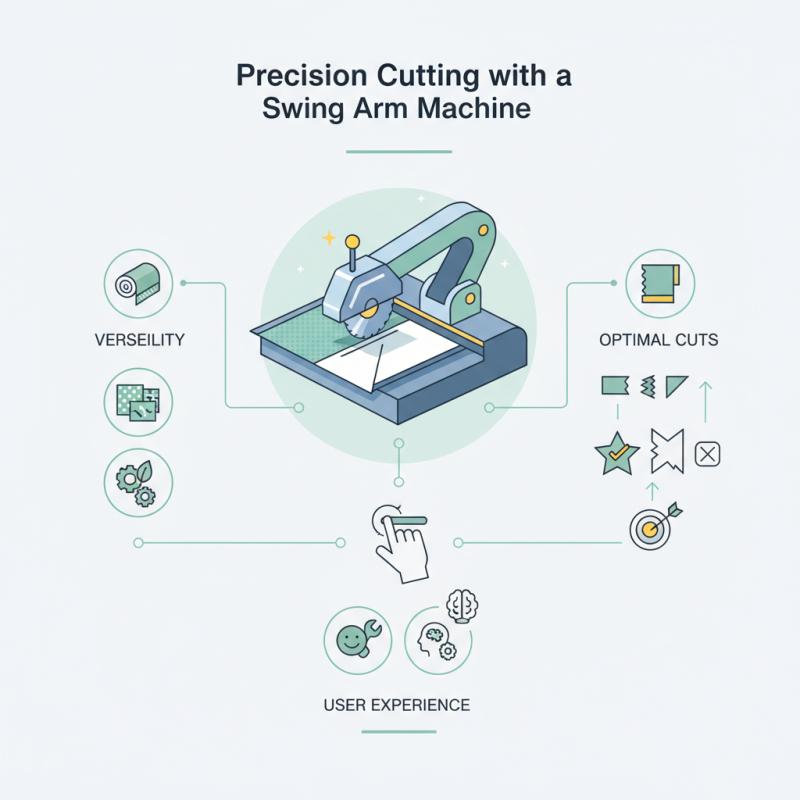
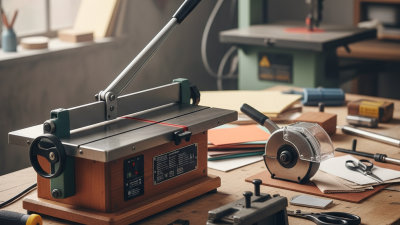
In the realm of precision cutting, the Swing Arm Cutting Machine stands out. Its versatility makes it a go-to tool in various industries. From textiles to plastics, this machine ensures accuracy and efficiency in cutting tasks.
Many operators appreciate the user-friendly design of the Swing Arm Cutting Machine. Its adjustable arm allows for smooth maneuvers, enabling intricate cuts. However, some may struggle with setup or calibration initially. This can lead to minor setbacks in the process. A thorough understanding is essential.
Moreover, the choice of blade can significantly impact the cutting quality. Some users notice variations in results based on blade type. It is crucial to experiment with different options to achieve perfect cuts. Users should not shy away from reflecting on their methods. Embracing the learning curve can enhance productivity and precision in using the Swing Arm Cutting Machine.
Best Swing Arm Cutting Machines: Overview of Precision Technology
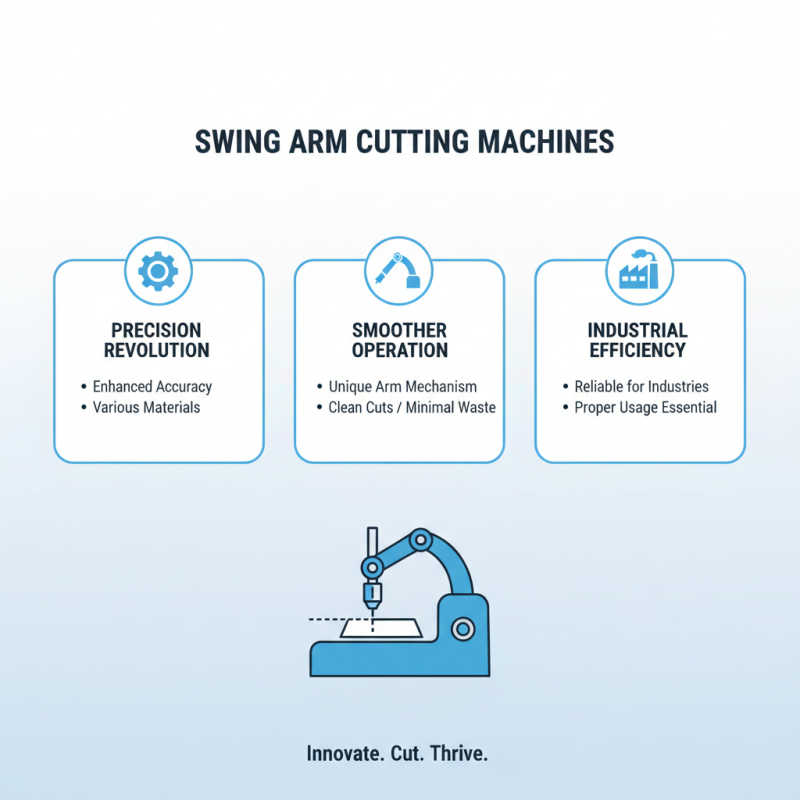
Swing arm cutting machines have revolutionized the precision cutting landscape. These devices are designed to enhance accuracy in various materials. Their unique arm mechanism allows for smoother operations. This is crucial for achieving clean cuts with minimal waste. Many industries rely on them for efficiency. However, proper usage is essential.
Advanced technology in these machines includes adjustable cutting angles. This feature offers versatility for different projects. Users can experiment with settings to find the optimal performance. It's important to test these settings before starting large tasks. Calibration can sometimes be tricky, leading to mismatched results. An operator must also consider blade types and materials used. Each combination presents its unique challenges.
Keeping the machine well-maintained is vital. Regular cleaning can prevent debris buildup, which may hinder performance. Overlooking maintenance might result in decreased accuracy over time. Users should also document their cutting processes. This practice helps identify areas for improvement. Precision cutting requires a balance of skill and technology. Striving for perfection often involves learning from mistakes.
Key Features to Consider in Swing Arm Cutting Machines
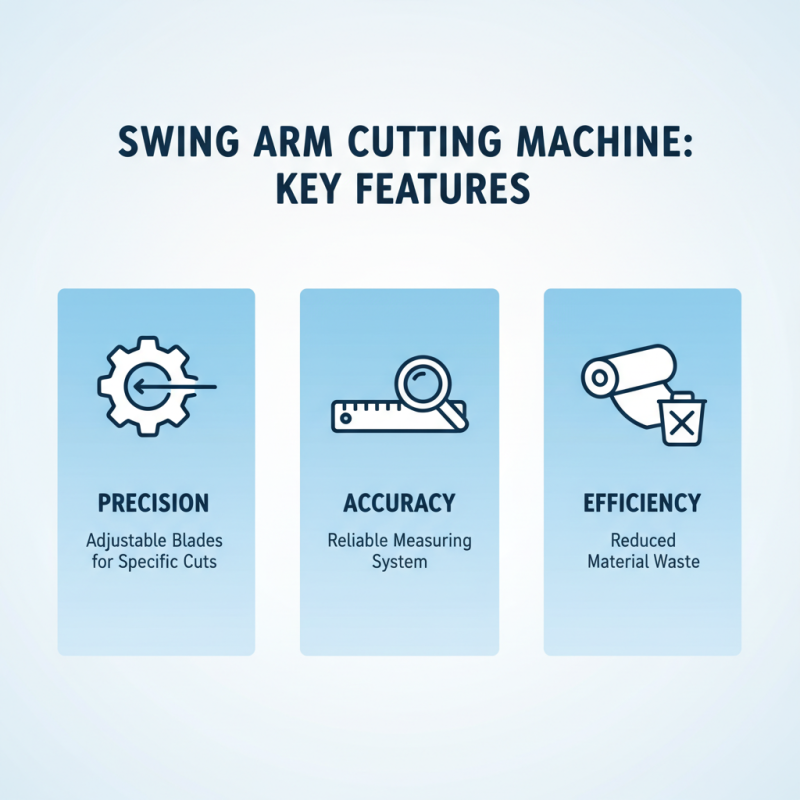
When searching for a swing arm cutting machine, several key features should catch your attention. Precision is fundamental. Look for machines with adjustable blades. This allows for specific cutting requirements. A machine should have a reliable measuring system to ensure accuracy. Having this feature can significantly reduce waste during cuts.
Another aspect to consider is user-friendliness. Controls should be straightforward. Complicated machines can lead to frustration and mistakes. Additionally, safety mechanisms are crucial. These are often overlooked by users. A lack of safety features can lead to accidents. Make sure the machine has automatic shut-off options.
Lastly, consider the machine's durability. Many users focus solely on initial cost. However, investing in a sturdy machine pays off in the long run. Machines that wear out quickly can become a burden. Look for customer reviews that highlight longevity. Balancing cost with quality is always challenging. Remember, it’s about making informed choices.
Industry Standards for Precision Cutting Performance
Precision cutting is crucial in various industries. A recent report from the International Cutting Technology Association revealed that precision cutting machines can reduce waste by up to 30%. This efficiency directly impacts production costs and overall profitability. Precision tools must maintain exact dimensions, typically within ±0.1mm, to meet industry standards.
Moreover, consistent performance is often a challenge. Variability in machine calibration can lead to inaccuracies. In a study, 25% of surveyed operators reported issues with maintaining precision over time. Proper maintenance routines can mitigate these problems, yet many operators overlook this vital aspect. Regular checks are essential, but often neglected due to time constraints or costs.
The choice of materials also affects cutting precision. Using incompatible materials can lead to poor results. A study found that up to 15% of precision errors stemmed from material choice alone. Understanding these factors is essential for improving outcomes. Operators must be educated on the specific requirements of different cutting processes for optimal performance.
Best Swing Arm Cutting Machine for Precision Cutting Solutions
| Model |
Cutting Width (inches) |
Cutting Height (inches) |
Power (HP) |
Weight (lbs) |
Price ($) |
| Model A |
36 |
3 |
1.5 |
150 |
1200 |
| Model B |
48 |
4 |
2 |
200 |
1500 |
| Model C |
60 |
5 |
3 |
250 |
2000 |
| Model D |
72 |
6 |
4 |
300 |
2500 |
Market Analysis: Leading Brands in Swing Arm Cutting Solutions
In the world of precision cutting, swing arm cutting machines have gained significant attention. These machines are designed for various materials, ensuring clean cuts and high productivity. They can easily handle fabrics, leather, and other soft materials. Many industries rely on these machines for their efficiency and accuracy.
Market analysis reveals a growing interest in swing arm cutting solutions. Numerous brands have emerged, each claiming to offer unique features. However, not every brand delivers on its promises. Some machines may lack durability, while others struggle with consistent performance. It's crucial to consider user feedback when exploring options. Detailed evaluations help highlight strengths and weaknesses among different brands.
The demand for more versatile cutting solutions increases every day. Businesses seek machines that adapt to multiple tasks. Yet, many machines continue to fall short of expectations. Some features may not work effectively in real-world scenarios. It’s important to assess each solution critically, ensuring it meets actual needs rather than marketing claims. Companies must engage in thorough research before making purchasing decisions.
Best Swing Arm Cutting Machine - Market Analysis
This chart showcases the performance metrics for swing arm cutting machines, highlighting key areas such as Precision, Speed, Durability, User Experience, and Cost Efficiency. Each metric is scored on a scale of 0 to 100, providing insights into the strengths of leading brands in the market.
User Testimonials and Case Studies on Cutting Efficiency
When exploring the best swing arm cutting machines, user experiences reveal much about their efficiency. Many operators praise the tools for their precision. Users often mention cleaner cuts. This reduces the need for additional finishing. Some machines have adjustable settings, enhancing versatility.
However, not every user is satisfied. A few have reported issues with calibration. They find the initial setup challenging. This can lead to frustrating delays. Adjustments sometimes take longer than expected. Some testimonials highlight inconsistent performance in demanding environments. It's essential to consider these factors when making a choice.
Despite these imperfections, the machine's overall effectiveness is notable. One user shared how their production improved drastically. They cut down on time wasted on rework. Another user emphasized the value of training with the machine. Proper usage can unlock its full potential. These reflections emphasize the importance of a well-informed decision. Efficiency in cutting remains the goal for many, but understanding the nuances is key.





 Wechat: ANNIELV88