Discover the Best PVC Coating Laminating Line for Global Buyers?
In the quest for the best PVC Coating Laminating Line, it's crucial for global buyers to understand specific features and functionalities. A PVC Coating Laminating Line is essential for creating high-quality coated materials used in various industries. Selecting the right equipment can significantly impact production efficiency.
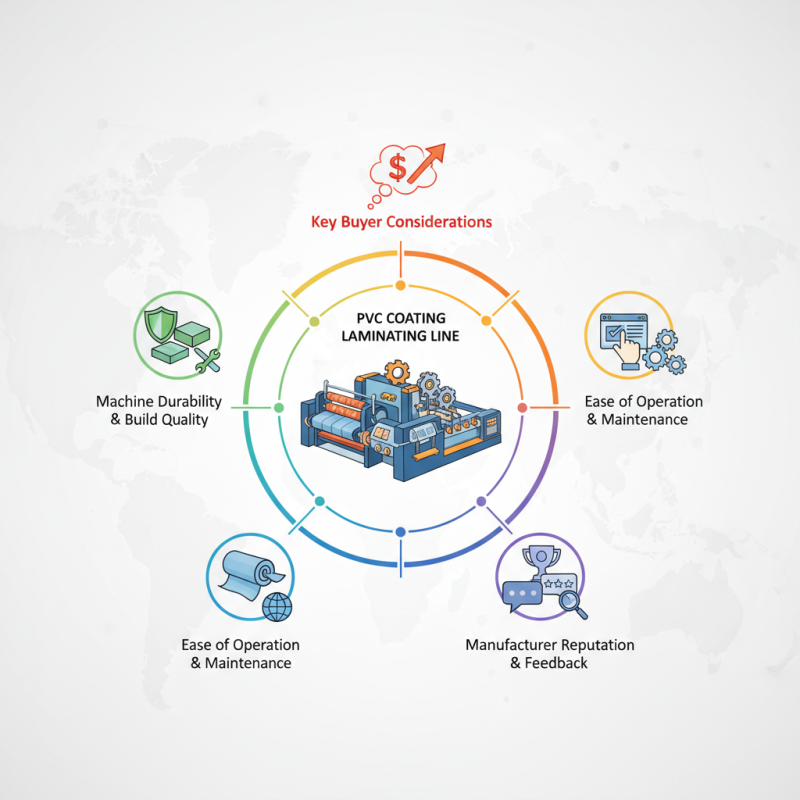
Buyers must consider aspects like machine durability, ease of operation, and maintenance requirements. The performance of a PVC Coating Laminating Line directly influences product quality and customer satisfaction. Some manufacturers may offer impressive specs but fall short in practice.
Research and genuine user feedback are invaluable. Buyers should not only look at price but also at the reputation of the brand in the market. Investing time in evaluating options can lead to informed decisions and long-term benefits. The right PVC Coating Laminating Line enhances productivity and delivers products that meet market demands.
Understanding PVC Coating Laminating Lines: An Overview
PVC coating laminating lines play a vital role in various industries. They are designed to enhance the durability and aesthetic appeal of materials. This technology applies a layer of polyvinyl chloride (PVC) onto substrates, providing a protective finish.
Understanding the mechanics behind these lines is essential. Typically, the process includes surface preparation, coating application, and curing. Each step must be executed with precision to achieve optimal results. The quality of the coating can significantly affect the final product's performance and longevity. It's not merely about applying a layer; it’s about ensuring that the coating adheres well and provides the necessary protection.
Challenges can arise during operation. For instance, the temperature and speed settings must be finely tuned. Inadequate adjustments might lead to defects in the coating. Regular maintenance of the machinery is also crucial to ensure consistent output. This aspect often requires skilled technicians familiar with the complexities of the equipment. Investing in training can enhance the overall efficiency and reliability of the laminating processes.
Key Features to Look for in PVC Coating Laminating Equipment
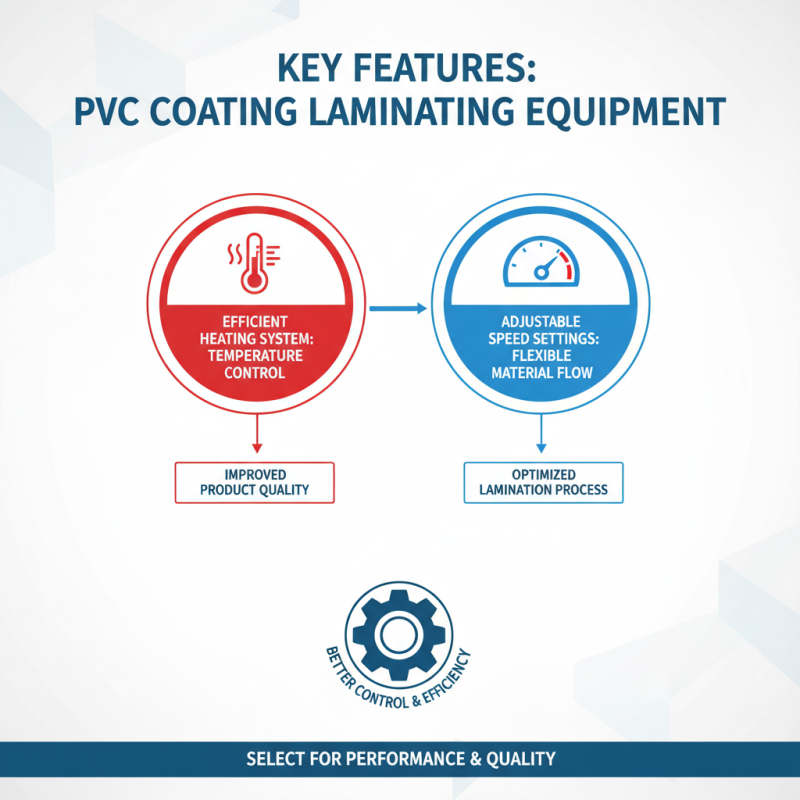
When selecting a PVC coating laminating line, key features make a difference. Efficient heating systems are crucial. They ensure uniform temperature control during the coating process. This factor directly impacts the quality of the final product. Look for machines with adjustable speed settings. Flexibility in speed allows for better control of material flow, optimizing the lamination process.
Another important feature is the ease of maintenance. Choose equipment designed with accessibility in mind. Frequently checked components should be easy to reach. This promotes consistent performance and reduces downtime. Also, consider the machine’s automation capabilities. Advanced automation features can enhance precision, reducing human errors. However, fully automated systems may need more debugging and troubleshooting skills. Balancing automation with simplicity can be challenging.
Quality assurance features are essential. This includes integrated inspection systems that detect defects. These systems can vastly improve production reliability. They help maintain high standards throughout the manufacturing process. Yet, even with the best systems, human oversight remains vital. Regular checks and a skilled workforce are needed. Ensuring quality isn’t solely about technology; it’s also about human expertise and involvement.
Top Manufacturers of PVC Coating Laminating Lines Worldwide
PVC coating laminating lines are essential machinery for various industries. These lines enhance product durability and aesthetics. The global market for PVC laminating lines is projected to grow at a compound annual growth rate (CAGR) of 6.3% from 2022 to 2027, according to a recent market report. Several key manufacturers are stepping up to meet this demand.
Top manufacturers specialize in producing high-quality machinery that meets international standards. Their expertise often includes advanced technology and innovative designs that improve efficiency. A recent survey indicated that more than 80% of users prioritize machine reliability. This highlights the importance of selecting manufacturers with a solid track record in the industry.
Tips: When researching PVC coating laminating lines, consider looking for companies with positive client reviews. Check if they provide training and support. Always request detailed specifications to ensure that the machinery meets your production needs. Additionally, watch for service terms and warranty details. Reflecting on these points can help buyers make informed decisions. Remember, an investment in high-quality equipment often pays off in the long run.
Discover the Best PVC Coating Laminating Line for Global Buyers
| Manufacturer Region |
Production Capacity (units/year) |
Technology Level |
Customization Options |
After-Sales Service |
| Asia |
5000 |
Advanced |
Yes |
24/7 Support |
| Europe |
3000 |
High |
Limited |
Warranty Provided |
| North America |
4000 |
Moderate |
Yes |
On-site Support |
| South America |
2000 |
Basic |
No |
Limited |
| Africa |
1500 |
Emerging |
Yes |
Email Support |
Comparative Analysis of PVC Coating Laminating Technologies
PVC coating laminating technologies have evolved significantly over the years, offering various methods for enhancing product durability and aesthetics. Recent industry reports indicate a surge in demand for precision in PVC applications. The global PVC coating market is projected to grow at a CAGR of 5.2% from 2021 to 2026. This trend emphasizes the need for buyers to understand the distinct technologies available.
The most common techniques include solvent-based systems, water-based methods, and powder coatings. Each technology presents unique benefits and challenges. Solvent-based systems are known for their strong adhesion but raise concerns about environmental impact. Water-based options minimize VOC emissions but can require longer curing times. Powder coatings provide excellent durability but often necessitate specialized equipment for application. Understanding these trade-offs is key for manufacturers aiming to meet stringent regulatory standards and consumer expectations.
Moreover, a comparative analysis shows that the efficiency of laminating lines can vary significantly. Some lines achieve high output while maintaining quality, while others may struggle during peak production periods. It's essential for global buyers to evaluate production needs against these performance metrics. Balancing innovation with operational efficiency remains a pivotal challenge in the PVC coating industry.
Considerations for Global Buyers of PVC Coating Solutions
When exploring PVC coating solutions, global buyers must consider various factors. First, the performance characteristics of the laminating line are crucial. A reliable line should provide consistent output quality. Variability can impact end products negatively. Reliable suppliers often provide transparent testing methods to ensure standards are met.
Buyers should also assess the technology used in these coating lines. Advanced machinery may enhance efficiency while reducing waste. Understanding the production capacity is essential as well. It helps buyers gauge whether a machine meets their volume demands. Sometimes, machine specifications can be misleading. A careful review is necessary to avoid poor investment decisions.
Additionally, evaluating after-sale support is important. Good manufacturers offer extensive training and maintenance options. A lack of support can lead to operational challenges later. Global buyers should not overlook the total cost of ownership. Initial purchase prices can be lower, but maintenance and spare parts might add up over time. Balancing cost with performance and support leads to better outcomes in choosing PVC coating solutions.
Global Market Demand for PVC Coating Laminating Lines




 Wechat: ANNIELV88