Top 10 Innovations in Ud Fabric Production Line Technology
In the rapidly evolving textile industry, innovations in technology play a crucial role in shaping production efficiency and fabric quality. One area seeing significant advancements is the Ud Fabric Production Line, where emerging techniques and machinery are transforming traditional methods. Industry expert Dr. Emily Yang, a leading figure in textile engineering, emphasizes the importance of these innovations by stating, "Incorporating cutting-edge technology into the Ud Fabric Production Line is not just about efficiency; it’s about redefining quality and sustainability in fabric production."
As manufacturers strive to meet increasing market demands while also upholding environmental standards, the top innovations in Ud Fabric Production Line technology are driving this change. These innovations not only enhance productivity but also enable companies to produce fabrics that are more durable, versatile, and eco-friendly. By adopting the latest technologies, businesses are poised to not only compete effectively in the global market but also contribute positively to sustainable practices within the textile industry.
This article will explore the top five innovations that are revolutionizing the Ud Fabric Production Line, showcasing how these advancements are paving the way for a more efficient and sustainable future in fabric manufacturing. With each breakthrough, we move closer to a new era of textile production that prioritizes both performance and responsible consumption.
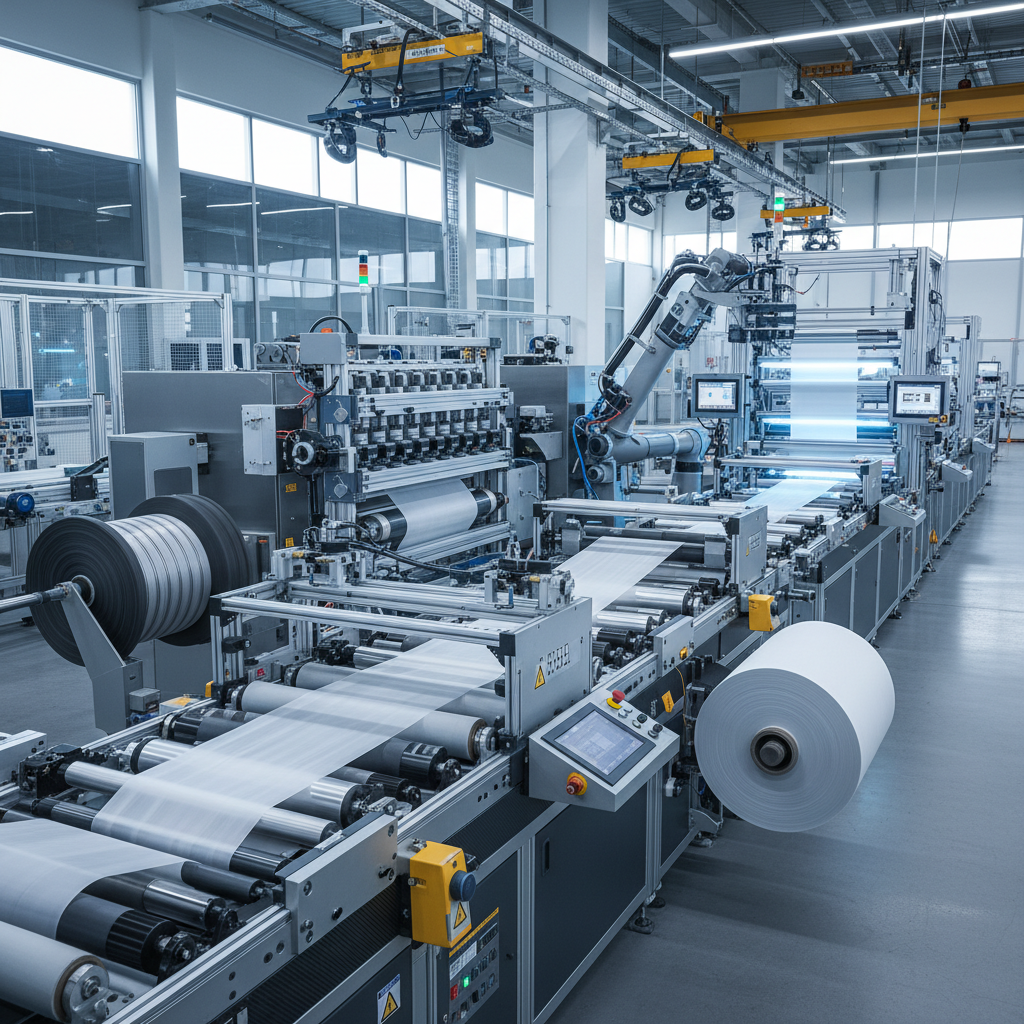
Emerging Automation Technologies in Ud Fabric Production
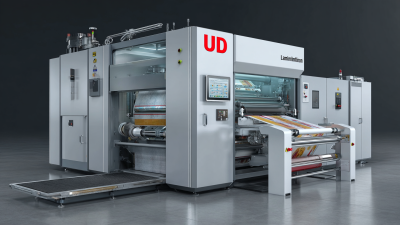
The emergence of automation technologies in UD fabric production is revolutionizing the textile industry, enhancing efficiency and precision.
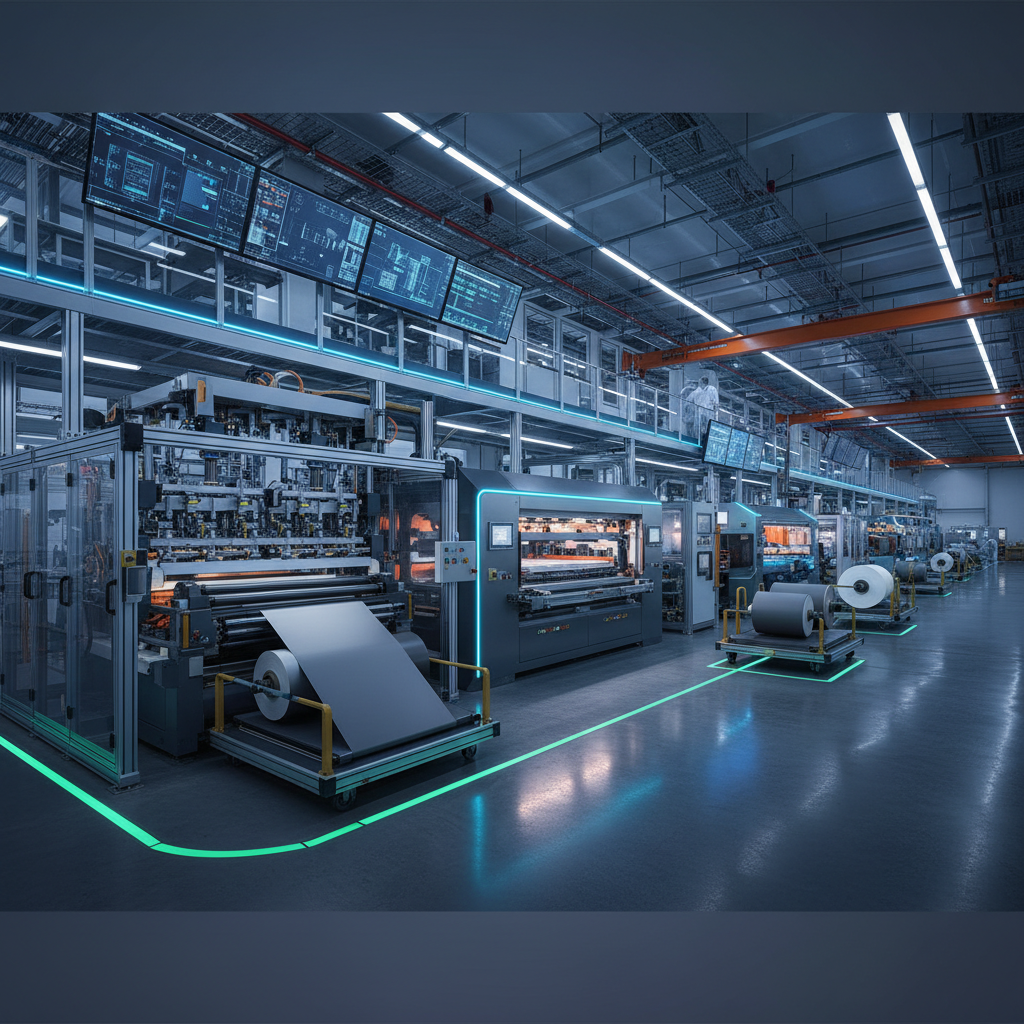 Advanced robotics are being integrated into the production line, allowing for faster and more accurate handling of materials. These automated systems reduce human error and improve consistency in the production process, leading to higher quality UD fabrics. Additionally, the use of AI-driven analytics enables manufacturers to monitor production in real-time, optimizing workflow and identifying potential issues before they escalate.
Another significant innovation is the introduction of smart machinery equipped with IoT capabilities. These machines can communicate with each other and share data, facilitating a more streamlined production process. This connectivity allows for better predictive maintenance, reducing downtime and extending the lifespan of equipment. Furthermore, automation in the UD fabric production line is supporting sustainable practices by minimizing waste and resource consumption, aligning with the growing demand for eco-friendly manufacturing solutions. As these technologies continue to evolve, the future of UD fabric production looks promising, combining speed, efficiency, and sustainability in unprecedented ways.
Sustainable Materials: Innovations Driving Eco-Friendly Fabric Production
Sustainable materials are at the forefront of innovations in the UD fabric production line, reshaping how textiles are created and processed. The integration of bio-based fibers, such as organic cotton and hemp, significantly reduces the environmental impact compared to conventional materials. These fibers not only offer a lower carbon footprint but also contribute to healthier ecosystems by requiring fewer pesticides and fertilizers. Manufacturers are increasingly looking to recyclable materials for fabric production, promoting a circular economy that minimizes waste and encourages the reuse of resources.
Furthermore, advancements in manufacturing technologies are optimizing the efficiency of sustainable practices. Innovations such as digital printing and waterless dyeing techniques drastically reduce water consumption and chemical usage, making the production process greener. Additionally, the emergence of smart textiles made from eco-friendly materials is creating new applications in sportswear and fashion. These innovations not only cater to the growing consumer demand for sustainable products but also pave the way for a cleaner, more responsible future in the textile industry. The drive toward sustainability in fabric production is not merely a trend; it represents a fundamental shift towards eco-friendly practices that can safeguard our planet for generations to come.
Advanced Quality Control Systems for Enhanced Fabric Durability
The advancement of quality control systems in the production line of Ud fabrics has revolutionized the fabric industry, significantly enhancing durability and performance. By integrating real-time monitoring technologies, manufacturers can detect potential defects during various stages of production. These systems utilize sophisticated sensors and data analytics to assess key parameters such as tensile strength, color consistency, and weave integrity, ensuring that only the highest quality fabrics pass through the production line.
Another pivotal innovation is the implementation of automated feedback loops, which allow for immediate adjustments to be made in response to detected anomalies. This not only streamlines the production process but also minimizes waste and reduces costs associated with rework. Furthermore, advanced machine learning algorithms are increasingly being employed to predict potential failures based on historical data, enabling proactive measures to be taken. As a result, these enhanced quality control systems not only bolster fabric durability but also elevate overall production efficiency, setting new benchmarks in the textile industry.
Top 10 Innovations in Ud Fabric Production Line Technology - Advanced Quality Control Systems for Enhanced Fabric Durability
| Innovation |
Description |
Benefits |
Implementation Year |
| Smart Weaving Machines |
Machines equipped with IoT sensors for real-time monitoring. |
Increased efficiency and reduced downtime. |
2022 |
| Automated Quality Inspection |
AI-driven systems to detect fabric defects. |
Higher quality assurance and lower return rates. |
2021 |
| Blockchain for Traceability |
Uses blockchain to document production processes. |
Enhances transparency and consumer trust. |
2023 |
| Advanced Dyeing Technologies |
Systems that reduce water and chemicals in dyeing. |
Cost-effective and environmentally friendly. |
2022 |
| Real-time Data Analytics |
Analytics platforms for process optimization. |
Improved decision-making and production speed. |
2021 |
| Energy-efficient Production Systems |
Machinery designed to minimize energy consumption. |
Reduced operational costs and carbon footprint. |
2023 |
| Flexible Fabric Systems |
Machines that adapt to various fabric types. |
Versatility and reduced setup times. |
2022 |
| Sustainable Material Sourcing |
Systems that ensure eco-friendly raw material sourcing. |
Aligns with sustainability goals and regulations. |
2023 |
| Modular Production Lines |
Customizable lines that can be reconfigured based on demand. |
Increased flexibility in production schedules. |
2021 |
| Predictive Maintenance Tools |
Tools for anticipating machine failures before they occur. |
Reduced unexpected downtimes and repair costs. |
2022 |
Smart Manufacturing: Integrating IoT in Ud Fabric Production Lines
The integration of the Internet of Things (IoT) into the UD fabric production line is transforming the landscape of smart manufacturing. With the global smart manufacturing market projected to reach USD 509.73 billion by 2025, as per a report by MarketsandMarkets, companies are increasingly recognizing the advantages of implementing IoT technologies. Sensor-driven automation, real-time data analytics, and interconnected machinery not only streamline production processes but also enhance quality control, reduce waste, and facilitate predictive maintenance. Reports indicate that manufacturers leveraging IoT can reduce operational costs by up to 30%, showcasing the tangible benefits of this technological shift.
When embracing IoT in UD fabric production lines, it's imperative to consider data security. Implementing robust cybersecurity measures is critical in safeguarding sensitive operational data from potential breaches. Furthermore, companies should invest in training their workforce on IoT technologies to harness the full potential of smart manufacturing. According to McKinsey, organizations that prioritize employee skilling in technology see a 20-25% improvement in production efficiency.
Lastly, integrating IoT allows for better supply chain management through enhanced visibility and traceability. A study by Deloitte found that organizations utilizing connected devices have a 60% higher rate of inventory turnover. Adopting these innovations can lead to not just smarter manufacturing processes but also a more competitive market presence.
Future Trends: Anticipating the Next Wave of Fabric Production Innovations
As the textile industry continues to evolve, the future of fabric production, particularly in the context of Ud fabric, promises to be innovative and transformative. One of the most anticipated trends is the integration of artificial intelligence and machine learning into production lines. This technology will not only streamline manufacturing processes, reducing waste and increasing efficiency, but also enable real-time quality control. By analyzing vast amounts of data, AI can predict potential issues and adjust production parameters accordingly, leading to more consistent and higher-quality fabrics.
Another promising development is the rise of sustainable production practices. With an increasing emphasis on environmental responsibility, fabric manufacturers are exploring renewable resources and eco-friendly materials that minimize the ecological impact. Innovations like bio-based fabrics and waterless dyeing processes are expected to become more commonplace, aligning production with global sustainability goals. By embracing these advancements, the fabric production industry can anticipate a future where efficiency and eco-consciousness work hand in hand, paving the way for a more sustainable and technologically advanced fabric landscape.
Top 10 Innovations in Ud Fabric Production Line Technology
This chart illustrates the projected impact of various innovations in Ud fabric production technology for the next decade, highlighting the estimated productivity improvements and sustainable practices.





 Wechat: ANNIELV88