Why You Need a Coating Lamination Machine for Your Manufacturing Process
In today’s fast-paced manufacturing landscape, the efficiency and quality of production processes are paramount for staying competitive. According to industry expert Dr. Emily Carter, a leading authority in advanced manufacturing technologies, "The integration of a Coating Lamination Machine can significantly streamline production while enhancing product durability and quality." As manufacturers strive to meet ever-evolving consumer demands, the implementation of such specialized machinery has become not just beneficial, but essential.
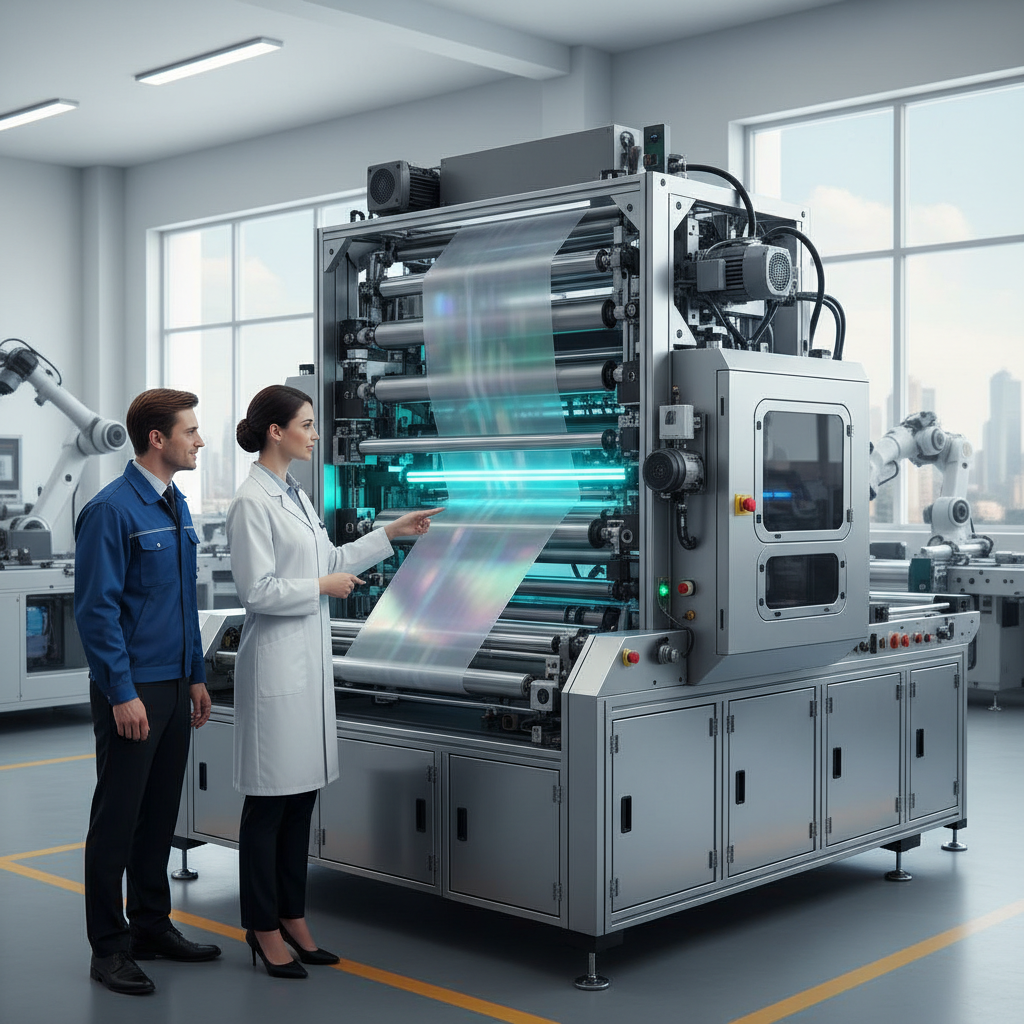
A Coating Lamination Machine offers a myriad of advantages, from providing superior surface protection to enabling complex design possibilities. By applying a protective layer to materials, manufacturers can ensure their products withstand wear, environmental factors, and time itself. Dr. Carter emphasizes that "utilizing this technology not only improves the product's lifespan but also elevates its market appeal." As we explore the top ten reasons for incorporating a Coating Lamination Machine into your manufacturing process, it becomes evident that this technology is a game changer in the quest for operational excellence and product differentiation.
Benefits of Coating Lamination in Manufacturing Efficiency
Coating lamination is becoming an essential process in modern manufacturing, offering significant improvements in efficiency and product durability. According to a report by MarketsandMarkets, the global coating and lamination market is expected to reach USD 27.5 billion by 2025, growing at a CAGR of 4.4%. This growth is driven by the increased demand for high-performance materials, particularly in industries such as packaging and textiles. By integrating a coating lamination machine into your production line, manufacturers can enhance product quality while simultaneously reducing waste and processing time.
The benefits of increased efficiency through coating lamination are manifold. For instance, advanced lamination techniques can lead to reduced rework rates. A study published in the Journal of Manufacturing Processes found that companies utilizing lamination technology reported a decrease in material losses by up to 30%. Additionally, the right coating can significantly improve a product's resistance to various environmental factors, such as moisture and chemical exposure, translating into longer shelf life and increased customer satisfaction. As the market demands more sustainable and durable products, incorporating a coating lamination machine becomes not just advantageous but essential for maintaining competitiveness in the manufacturing sector.
Key Features to Look For in a Coating Lamination Machine
When considering the integration of a coating lamination machine into your manufacturing process, several key features are essential for ensuring optimal performance. Firstly, control and precision are paramount. A machine with advanced digital control systems allows for consistent coating thickness and uniform application, which can significantly enhance the quality of the final product. According to the Markets and Markets report, the global lamination machine market is expected to grow from USD 2.3 billion in 2021 to USD 3.1 billion by 2026, indicative of the increasing reliance on precise lamination processes across industries.
Another critical feature to evaluate is the machine’s versatility. The ability to handle various substrates, including paper, film, and foil, provides manufacturers with the flexibility to meet different product requirements. A recent study by Research and Markets highlights that machines capable of accommodating diverse materials can help businesses reduce operational costs by minimizing the need for multiple machines. Additionally, energy efficiency is becoming increasingly relevant, as machines designed with lower energy consumption rates not only diminish environmental impact but also reduce operational expenses, enhancing profitability in the long run.
Top Industries That Can Benefit from Coating Lamination Technology
Coating lamination technology is revolutionizing several industries by enhancing product durability and performance. The packaging industry, for instance, stands to benefit significantly from this innovation. By applying a protective layer, products can achieve increased resistance to moisture, oils, and chemicals, ultimately extending shelf life and maintaining quality. This technology is particularly crucial for food and beverage packaging, where maintaining product integrity is paramount.
Another sector that can leverage coating lamination is the electronics industry. Devices often contain sensitive components that require protection from environmental factors. A lamination machine helps to apply coatings that safeguard circuit boards and other electronics from moisture and dust. This added layer not only improves product reliability but also boosts the overall lifespan of electronic devices.
Moreover, the automotive industry is also exploring coating lamination technology. By applying advanced coatings to vehicle parts, manufacturers can enhance resistance to heat and corrosion while improving aesthetic appeal. This technology not only helps in maintaining the longevity of vehicles but also contributes to sustainability efforts by reducing the need for frequent replacements.
Why You Need a Coating Lamination Machine for Your Manufacturing Process - Top Industries That Can Benefit from Coating Lamination Technology
| Industry |
Benefits of Coating Lamination |
Typical Applications |
Key Materials Used |
| Packaging |
Improved durability and moisture resistance |
Food packaging, pharmaceutical packaging |
Plastic films, paper |
| Automotive |
Enhanced wear resistance and aesthetic appeal |
Interior panels, exterior trims |
Vinyl, PU coatings |
| Electronics |
Protection against dust and moisture |
PCB coatings, casings |
Epoxy resins, silicone |
| Textiles |
Waterproofing and stain resistance |
Outdoor fabrics, upholstery |
Polyurethane, PVC |
| Construction |
Increased insulation and weather resistance |
Roofing materials, wall panels |
Metal sheets, composites |
Cost Analysis: Investing in a Coating Lamination Machine
Investing in a coating lamination machine is a critical decision for manufacturers aiming to enhance their production capabilities and efficiency. The cost analysis of such machinery highlights significant long-term savings and productivity enhancements. For instance, the automatic dry lamination machine model Turbo has revolutionized the lamination process by introducing automation, which not only reduces labor costs but also minimizes the risk of human error, ultimately leading to a more consistent product output.
In the broader context of manufacturing, the landscape for related industries is rapidly evolving. Reports indicate that the global market for battery manufacturing equipment is projected to grow from USD 15.63 billion in 2025 to USD 36.94 billion by 2030. This growth underscores the increasing demand for efficient production processes, where coating lamination machines play a pivotal role. Similarly, the market for printed materials in the LVT and laminate flooring sector is estimated to reach USD 649.1 million by 2030, further demonstrating the need for reliable and cost-effective manufacturing solutions. By investing in advanced lamination technology, manufacturers can position themselves at the forefront of these flourishing markets.
Cost Analysis of Investing in a Coating Lamination Machine
Future Trends in Coating Lamination for Manufacturing Processes
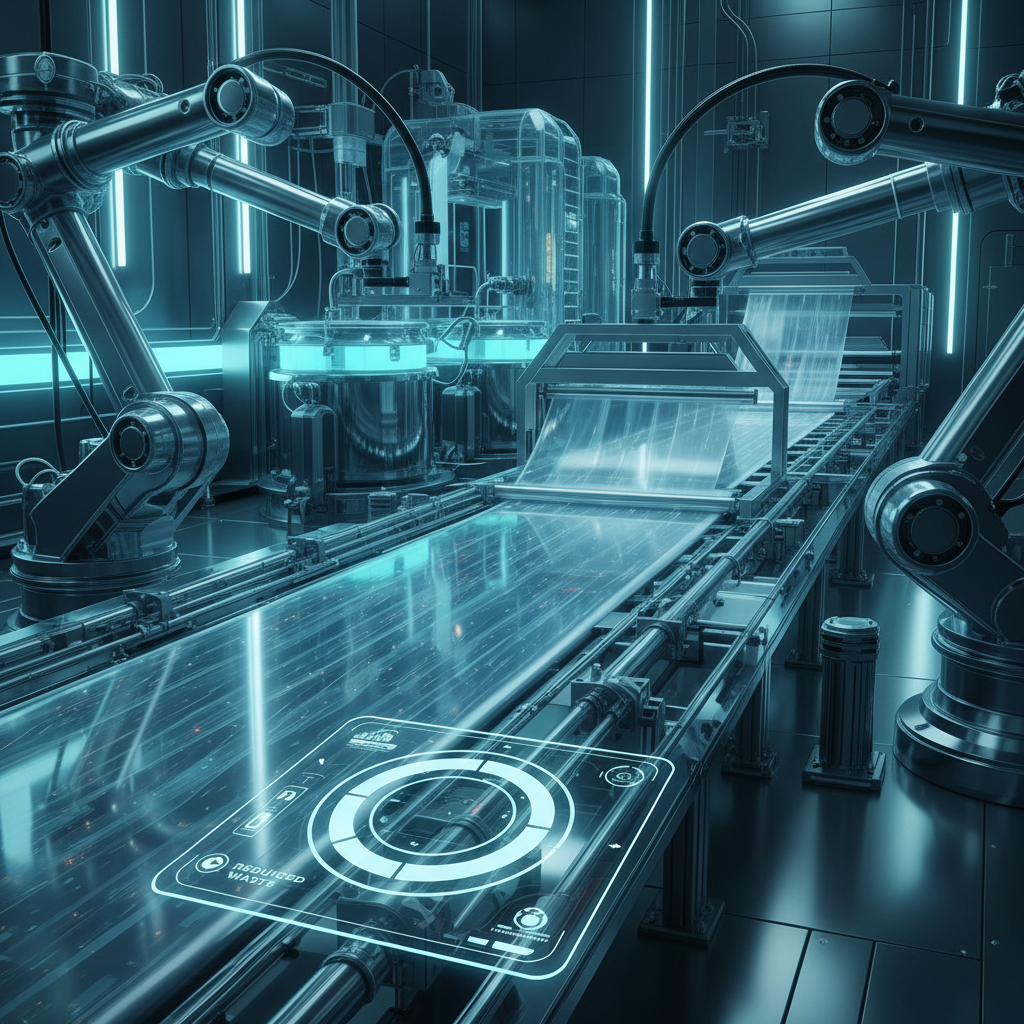
The future of coating lamination in manufacturing processes is set to be shaped by advancements in technology and innovative materials. As industries continue to pursue improved efficiency and sustainability, manufacturers are exploring high-performance laminating solutions that not only enhance product durability but also minimize waste. This shift is driving the development of eco-friendly laminating films and coatings that can be seamlessly integrated into existing production lines.
Another trend gaining traction is the automation of coating lamination processes. With the rise of Industry 4.0, smart manufacturing technologies are being adopted to optimize workflows and reduce manual interventions. Automated coating lamination machines equipped with advanced sensors and data analytics enable manufacturers to monitor production in real-time, ensuring consistent quality and reducing downtime. As the demand for customized solutions increases, these machines are also becoming more versatile, allowing for a wider range of applications across different industries, from packaging to automotive components.





 Wechat: ANNIELV88